TV-Series
Description
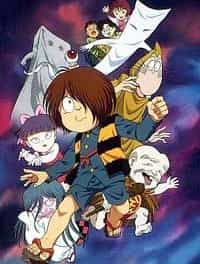
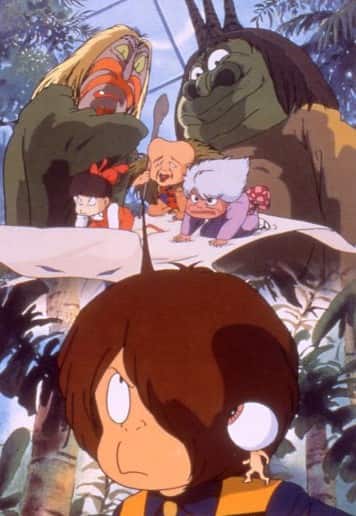
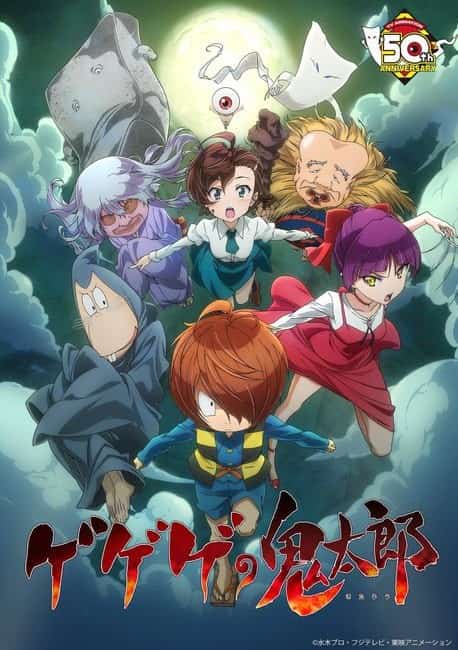
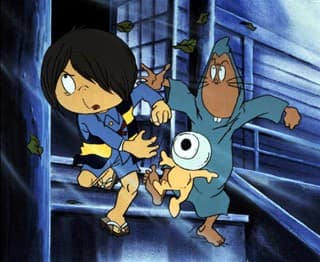
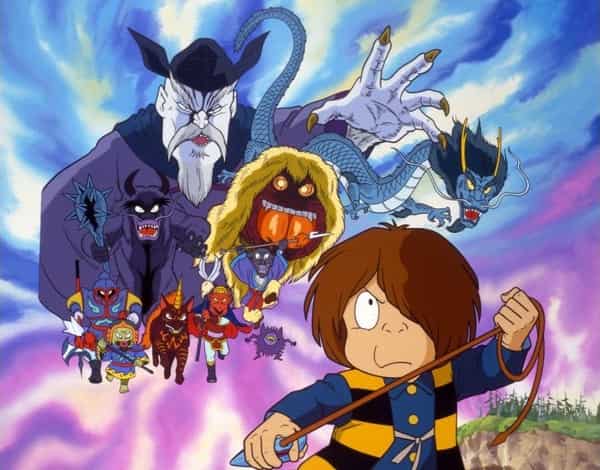
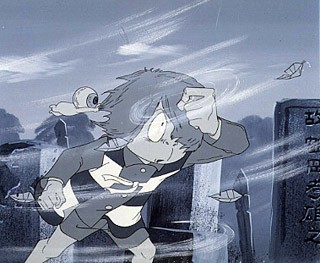
The last survivor of the Ghost Tribe, a young yōkai named Kitarō, was born in a cemetery. His father, who perished from a disease, was reincarnated as a small, anthropomorphic eyeball named Medama-Oyaji, and now lives in his son's hair, acting as a wise advisor. Together, they inhabit a world where the supernatural realm of yōkai exists alongside the human world. The central conflict of the series arises from the disruption of this balance, often caused by humans who, through greed, fear, or disrespect, disturb the spirits in their dwelling places. Kitarō, possessing a strong sense of justice and a variety of supernatural powers including remote-controlled geta sandals and a spiky hair vest, fights to protect humans from malevolent or enraged yōkai while also defending misunderstood spirits, striving for a peaceful coexistence between the two worlds.
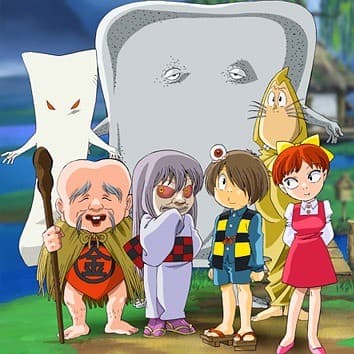
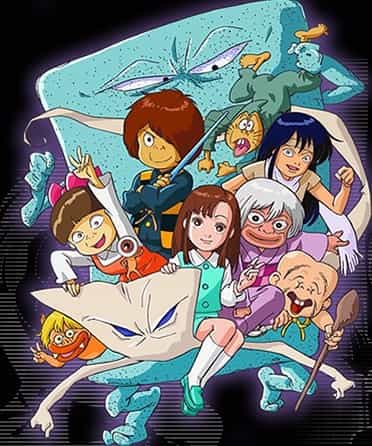
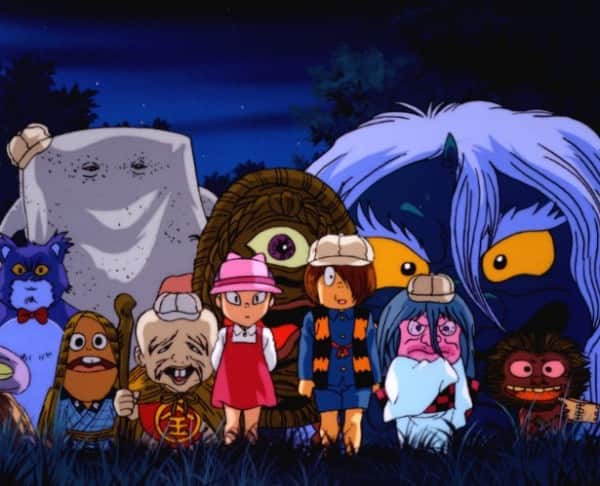
The setting is a modern Japan where traditional folklore creatures are largely forgotten by the general public. The story often unfolds in the hidden GeGeGe Forest, a mystical realm where yōkai gather, as well as in ordinary human cities and towns. Kitarō is not alone in his mission; he is joined by a quirky and loyal group of yōkai companions. This group includes Nezumi-Otoko, a greedy, foul-smelling, and untrustworthy half-human, half-rat who frequently betrays Kitarō for money or self-preservation but is still considered a reluctant ally. Another key companion is Neko-Musume, a quiet girl who transforms into a fierce cat-monster when angered or hungry and holds a quiet affection for Kitarō. Other recurring figures include Sunakake-Babaa, an elderly sand-throwing hag who serves as an advisor and landlady; Konaki-Jijii, an absent-minded old yōkai who can turn his body to immense weight; Ittan-Momen, a flying strip of sentient cloth used for transportation; and Nurikabe, a large, sleepy, wall-like yōkai who serves as a protector.
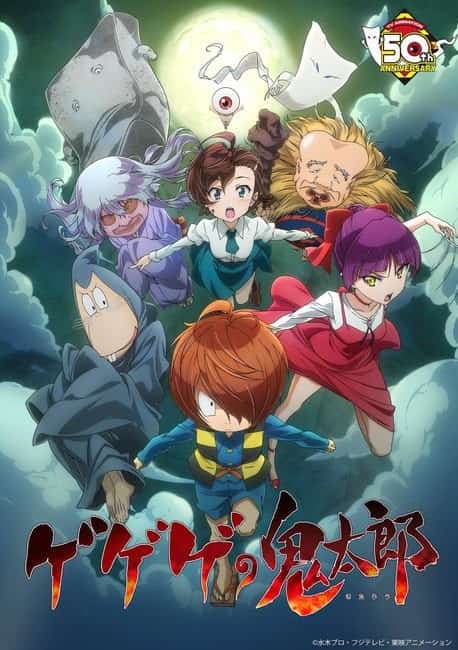
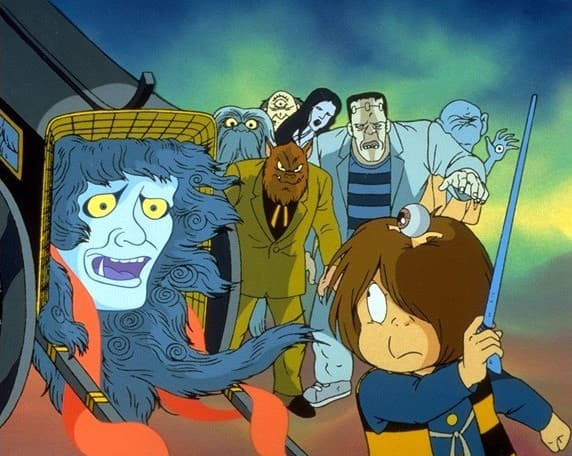
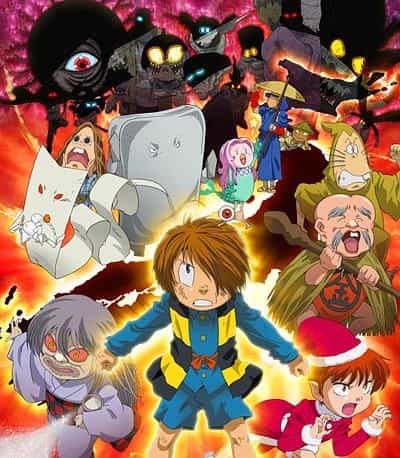
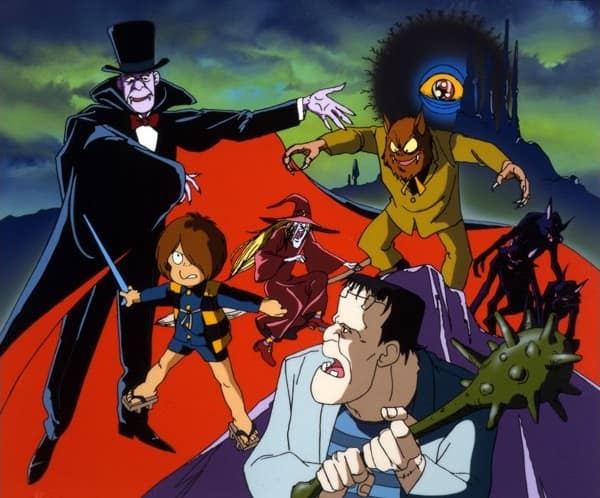
The series is primarily episodic, with each episode featuring Kitarō confronting a specific yōkai or supernatural phenomenon. However, several notable narrative arcs recur across different adaptations. One of the most prominent storylines is The Great Yōkai War, which draws influence from the Japanese folk tale of Momotarō. In this arc, Kitarō and his yōkai friends must band together to drive away a powerful invasion of Western ghouls and monsters, led by the emperor Backbeard, who threatens to take over Japan. Other arcs involve conflicts with Kitarō's old rival, Nurarihyon, a cunning and regal yōkai who represents a more traditional Japanese threat. In the 2018 anime series, which celebrated the 50th anniversary of the original anime, a major arc involves a witch named Agnès who steals a treasure called the Ring of Arcana and flees to Japan, pursued by Backbeard and his minions. This iteration also introduces a human protagonist, a thirteen-year-old girl named Mana, who writes a letter to the Yōkai Post, seeking answers to unexplainable phenomena, thus bringing her into contact with Kitarō and the hidden supernatural world.
The setting is a modern Japan where traditional folklore creatures are largely forgotten by the general public. The story often unfolds in the hidden GeGeGe Forest, a mystical realm where yōkai gather, as well as in ordinary human cities and towns. Kitarō is not alone in his mission; he is joined by a quirky and loyal group of yōkai companions. This group includes Nezumi-Otoko, a greedy, foul-smelling, and untrustworthy half-human, half-rat who frequently betrays Kitarō for money or self-preservation but is still considered a reluctant ally. Another key companion is Neko-Musume, a quiet girl who transforms into a fierce cat-monster when angered or hungry and holds a quiet affection for Kitarō. Other recurring figures include Sunakake-Babaa, an elderly sand-throwing hag who serves as an advisor and landlady; Konaki-Jijii, an absent-minded old yōkai who can turn his body to immense weight; Ittan-Momen, a flying strip of sentient cloth used for transportation; and Nurikabe, a large, sleepy, wall-like yōkai who serves as a protector.
The series is primarily episodic, with each episode featuring Kitarō confronting a specific yōkai or supernatural phenomenon. However, several notable narrative arcs recur across different adaptations. One of the most prominent storylines is The Great Yōkai War, which draws influence from the Japanese folk tale of Momotarō. In this arc, Kitarō and his yōkai friends must band together to drive away a powerful invasion of Western ghouls and monsters, led by the emperor Backbeard, who threatens to take over Japan. Other arcs involve conflicts with Kitarō's old rival, Nurarihyon, a cunning and regal yōkai who represents a more traditional Japanese threat. In the 2018 anime series, which celebrated the 50th anniversary of the original anime, a major arc involves a witch named Agnès who steals a treasure called the Ring of Arcana and flees to Japan, pursued by Backbeard and his minions. This iteration also introduces a human protagonist, a thirteen-year-old girl named Mana, who writes a letter to the Yōkai Post, seeking answers to unexplainable phenomena, thus bringing her into contact with Kitarō and the hidden supernatural world.
Cast
Comment(s)
Staff
- DirectorIsao Takahata
- ScreenplayMasaki Tsuji
- MusicTaku Izumi
- ArtMasahiro IokaHideo ChibaHidenobu HataMakoto YamazakiTadami ShimokawaSaburo YokoiShigeyoshi Endō
- Script
- Episode DirectorIsao TakahataYoshio KurodaHideo FurusawaYoshikata NittaTomoharu KatsumataBonjin NagakiHiroshi ShidaraNobutaka NishizawaKazuya MiyazakiYoshio TakamiShizuo MurayamaYasuo YamaguchiTokushige ShiraneTakashi HisaokaKazukiyo ShigenoMasayuki AkehiTokue Shirane
- Original creator
- Animation DirectorHideo FurusawaToshiyasu OkadaHiroshi WagatsumaJōji KikuchiTeruo HosodaFumio EtoTsuguyuki KuboYukiyoshi HaneMinoru TajimaMichimasa Ochiai
Production
- ProductionToei Animation
Relations
Anime overview