
TV-Series
Description
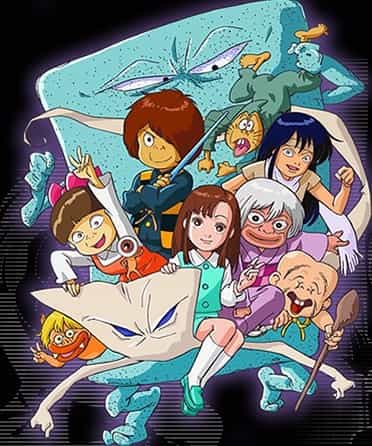
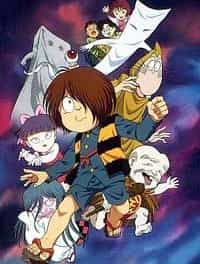
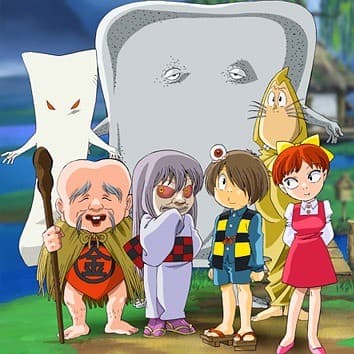
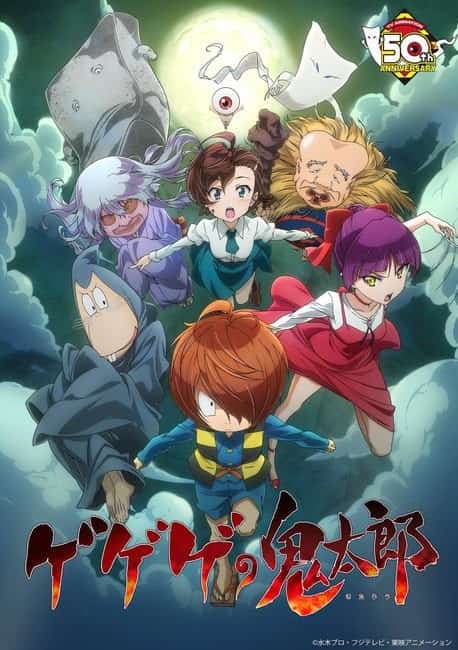
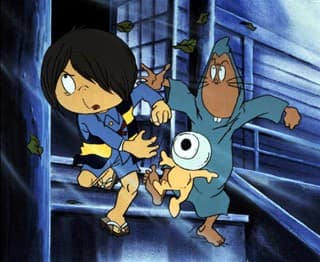
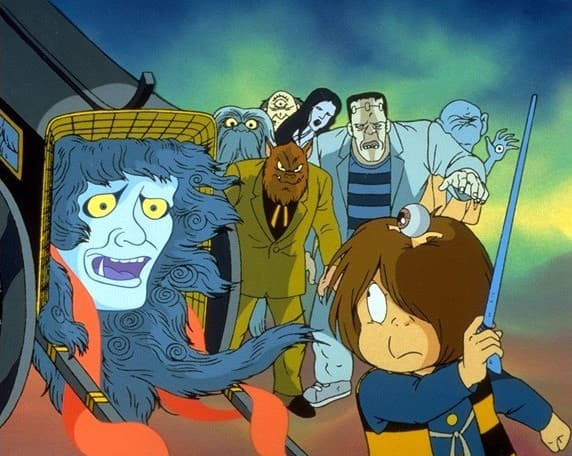
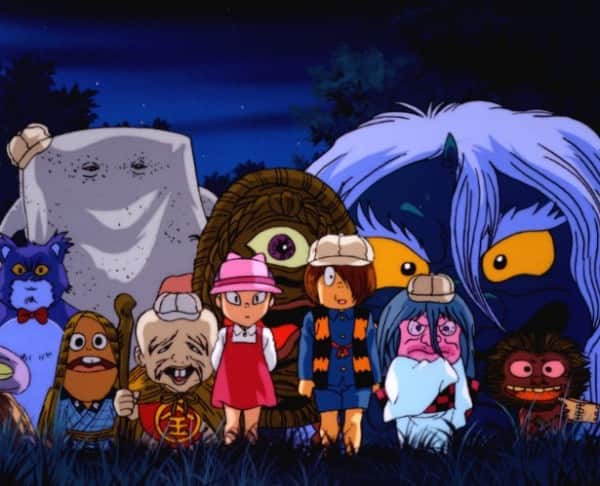
"Gegege no Kitarō (1985)" is a supernatural anime series that revolves around the adventures of Kitarō, a yōkai boy who serves as a bridge between the human world and the spirit realm. Kitarō, born to yōkai parents, is the last surviving member of the Ghost Tribe. He resides in a graveyard and is accompanied by his father, Medama-Oyaji, a sentient eyeball who resides in Kitarō's empty eye socket and provides guidance. Other recurring characters include Nezumi-Otoko, a cowardly and self-serving rat yōkai; Neko-Musume, a cat yōkai who often assists Kitarō; and Sunakake-Baba, a sand-throwing yōkai who aids in battles.
The series is episodic, with each episode typically featuring Kitarō and his allies confronting various yōkai or supernatural threats that disrupt the balance between the human and spirit worlds. These threats often stem from malevolent yōkai seeking to harm humans or exploit their fears. Kitarō, despite being a yōkai himself, frequently intervenes to protect humans, driven by a sense of justice and a desire to maintain harmony. His interventions often involve clever strategies, the use of his supernatural abilities, and the assistance of his yōkai companions.
The narrative explores themes of coexistence, morality, and the consequences of human actions. Many episodes highlight the misunderstandings and conflicts between humans and yōkai, often portraying humans as fearful or ignorant of the supernatural world. Kitarō’s role as a mediator is central to resolving these conflicts, emphasizing the importance of empathy and understanding. The series also delves into Japanese folklore, introducing a wide array of traditional yōkai and supernatural phenomena, each with unique traits and backstories.
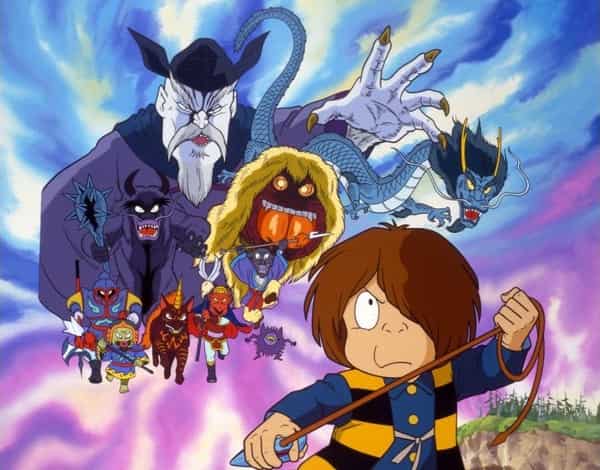
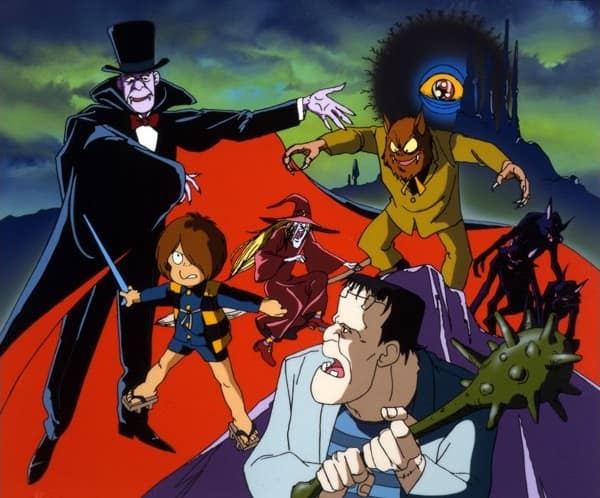
While the overarching plot is episodic, certain story arcs and recurring antagonists add continuity. Notable adversaries include Nurarihyon, a powerful yōkai leader who often schemes to dominate both worlds, and other malevolent spirits who challenge Kitarō’s resolve. Despite the episodic structure, the series maintains a consistent tone, blending elements of horror, humor, and moral lessons, making it accessible to a broad audience.
The 1985 adaptation of "Gegege no Kitarō" is notable for its faithful representation of Shigeru Mizuki’s original manga, capturing the essence of its folklore-inspired storytelling. The characters are well-defined, with Kitarō embodying a stoic yet compassionate hero, while his companions provide comic relief and support. The series’ episodic nature allows for a diverse exploration of yōkai mythology, making it both educational and entertaining for viewers interested in Japanese supernatural traditions.
The series is episodic, with each episode typically featuring Kitarō and his allies confronting various yōkai or supernatural threats that disrupt the balance between the human and spirit worlds. These threats often stem from malevolent yōkai seeking to harm humans or exploit their fears. Kitarō, despite being a yōkai himself, frequently intervenes to protect humans, driven by a sense of justice and a desire to maintain harmony. His interventions often involve clever strategies, the use of his supernatural abilities, and the assistance of his yōkai companions.
The narrative explores themes of coexistence, morality, and the consequences of human actions. Many episodes highlight the misunderstandings and conflicts between humans and yōkai, often portraying humans as fearful or ignorant of the supernatural world. Kitarō’s role as a mediator is central to resolving these conflicts, emphasizing the importance of empathy and understanding. The series also delves into Japanese folklore, introducing a wide array of traditional yōkai and supernatural phenomena, each with unique traits and backstories.
While the overarching plot is episodic, certain story arcs and recurring antagonists add continuity. Notable adversaries include Nurarihyon, a powerful yōkai leader who often schemes to dominate both worlds, and other malevolent spirits who challenge Kitarō’s resolve. Despite the episodic structure, the series maintains a consistent tone, blending elements of horror, humor, and moral lessons, making it accessible to a broad audience.
The 1985 adaptation of "Gegege no Kitarō" is notable for its faithful representation of Shigeru Mizuki’s original manga, capturing the essence of its folklore-inspired storytelling. The characters are well-defined, with Kitarō embodying a stoic yet compassionate hero, while his companions provide comic relief and support. The series’ episodic nature allows for a diverse exploration of yōkai mythology, making it both educational and entertaining for viewers interested in Japanese supernatural traditions.
Cast
Comment(s)
Staff
- DirectorOsamu KasaiHiroki Shibata
- ScreenplayJunki Takegami
- MusicMasahiro Kawasaki
- Character DesignYoshinori Kanemori
- Animation DirectorMasami ShimodaRyunosuke OtonashiYoshinori KanemoriHiromi NiiokaKiyoshi MatsumotoYasunori MiyazawaYoshinobu InanoSatoru IriyoshiShigetaka KiyoyamaFukuo YamamotoYasuhiro YamaguchiKahoru HirataTatsuya FurukawaKatsuji MatsumotoTomoyuki MatsumotoYasuyoshi KanekoIku IshiguroKōichi TakadaJōji Yanase
- Executive producerKenji Yokoyama
- Script
- Episode DirectorMinoru OkazakiMasahisa IshidaTetsuo ImazawaYūgo SerikawaOsamu KasaiHiroki ShibataNobutaka NishizawaTakashi TanazawaMasahiko FukutomeKon KoyamaTakeshi ShiratoMasayuki Akehi
- Original creator
- ArtYūji IkedaToshiaki MarumoriKenji MatsumotoMotoyuki TanakaTaizaburō AbeTomoko YoshidaHidenobu HataFumihiro UchikawaHiroshi WashizakiKunio KaneshimaTomoko EridateTsutomu FujitaYoshiyuki YamamotoMasato ItōShinji Itō
- Art designTaizaburō Abe
Production
- ProductionToei AnimationYomiko Advertising, Inc.Fuji Television NetworkYTV
Relations
Anime overview
Music