TV-Series
Description
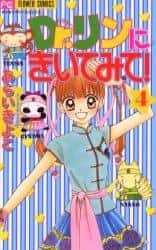
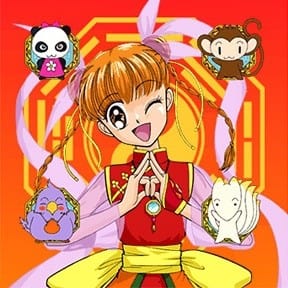
"Dr. Rin ni Kiitemite!" is a romantic comedy anime series that blends elements of supernatural storytelling with lighthearted humor. The protagonist, Tōkichirō Endō, is a high school student who harbors feelings for his classmate, Rin Asuka. Rin, however, is not an ordinary girl—she is a skilled feng shui master who uses her abilities to help others solve their problems, often with comedic and unpredictable results. Despite her talents, Rin is oblivious to Tōkichirō's affections, creating a central dynamic of unrequited love and miscommunication.
The narrative unfolds through episodic adventures where Rin employs her feng shui expertise to assist classmates, friends, and even strangers with their personal dilemmas. These situations often involve supernatural or exaggerated scenarios, such as dispelling curses, resolving conflicts caused by spiritual imbalances, or navigating the whims of fate. Tōkichirō frequently finds himself drawn into these escapades, either as a reluctant participant or as someone directly affected by the outcomes of Rin's interventions. His attempts to confess his feelings to Rin are repeatedly thwarted by her single-minded focus on her feng shui duties and her general obliviousness to romantic cues.
Supporting characters add depth to the story, including Rin's younger sister, Mei, who occasionally assists with feng shui tasks, and various classmates who serve as clients or catalysts for the episodic plots. The series balances its supernatural elements with slice-of-life moments, exploring themes of friendship, personal growth, and the complexities of young love. While the tone is predominantly comedic, there are occasional moments of sincerity and emotional resonance, particularly in episodes that delve into the characters' backstories or interpersonal relationships.
The anime maintains a light and accessible narrative style, with each episode typically resolving its central conflict by the end. The interplay between Rin's feng shui adventures and Tōkichirō's persistent yet thwarted romantic efforts forms the core of the series, creating a blend of humor, romance, and supernatural intrigue that appeals to fans of the genre.
The narrative unfolds through episodic adventures where Rin employs her feng shui expertise to assist classmates, friends, and even strangers with their personal dilemmas. These situations often involve supernatural or exaggerated scenarios, such as dispelling curses, resolving conflicts caused by spiritual imbalances, or navigating the whims of fate. Tōkichirō frequently finds himself drawn into these escapades, either as a reluctant participant or as someone directly affected by the outcomes of Rin's interventions. His attempts to confess his feelings to Rin are repeatedly thwarted by her single-minded focus on her feng shui duties and her general obliviousness to romantic cues.
Supporting characters add depth to the story, including Rin's younger sister, Mei, who occasionally assists with feng shui tasks, and various classmates who serve as clients or catalysts for the episodic plots. The series balances its supernatural elements with slice-of-life moments, exploring themes of friendship, personal growth, and the complexities of young love. While the tone is predominantly comedic, there are occasional moments of sincerity and emotional resonance, particularly in episodes that delve into the characters' backstories or interpersonal relationships.
The anime maintains a light and accessible narrative style, with each episode typically resolving its central conflict by the end. The interplay between Rin's feng shui adventures and Tōkichirō's persistent yet thwarted romantic efforts forms the core of the series, creating a blend of humor, romance, and supernatural intrigue that appeals to fans of the genre.
Episodes
Staffel 1
1The Rumored Feng Shui Master!
2Extracurricular Class of Heart-Pounding Love!
3Love Panic with the Transfer Student!
4Great Crisis on the Bus with Shikigami!
5A Round of Crisis in a Girl's Feelings!
6False Lover
7Decisive Battle After School!
8Wake up, Dragon God! Shinsenron!
9Papa's Epic Feng Shui Battle!
10Cute Shikigami! Visiting Shichio!
11Shinagawa the Man's Love in Full Bloom!
12Mysterious! Tarot Labyrinth
13Invincible Friendship Rainbow!
14Special Love Ring!
15Victory is Pink, Pink, Pink!
16Heart-Pounding, Dangerous Live Broadcast!
17Dreaded Meeting at School!?
18Last Trap of the Battle!
19Time to Change Your Heart!
20Temptation of a Heart-Pounding Date!?
21Glittering Great Reversal of Star Trap!
23Rin Rin・Mei Rin・Dr. Rin!?
24Love, Fireworks, and Red Flowers
25Legend of the Octopus of the Coast
26SOS! Tokiwa Dog Fight
27Pure heart!? Lunch Woes!
28Rin Rin Shock! Stolen Crystal Ball
29Stormy Antique Watch!
30Oh no! Dinosaur!!
31Lost Power! Dr. Rin Disappears
32Ready Go! Rebirth of the Compass
33Earthquake! Kaiun Crisis
34Dangerous Mission! Correct the Dragon Pulse!
35Zai Jian... Goodbye Rin Rin
36Big Brother's Sweetheart
37Legend of the Four Gods! Location of the Jewel
38Captive Meirin! Tokiwa Awakens
39High Tension! Assault Eddie & Banri
40Asuka, Where Are You? Lost Memories
41Why, Asuka? Messenger from the Dark
42Listen, Asuka! Memories of the Christmas Tree
43Miracle on Christmas Eve! Resurrection of Seiryuu!
44Azusa's Thoughts, Secret of the Shrine Maiden of the Dark
45Last Minute Kiss 5 Seconds Before!
46Dark Impact! The Descent of the Dark Monarch
47Disappointed Love, Fallen Maiden of the Dark!
48Clash! Tower of Four Misfortunes
49Last Hope, Public Attention of the Five Companions!
50Shine on the Darkness! Memory of Love
51Haoyung Laila
Comment(s)
Staff
- DirectorShin Misawa
- ScriptRika NakaseTsuyoshi TamaiGenki YoshimuraHisaya TakabayashiAtsushi Maekawa
- Episode DirectorYūsuke YamamotoHiroshi FukutomiMakoto MoriwakiHiroshi IshiodoriShin MisawaYasuhiro GeshiOsamu InoueMatsuo AsamiMasayuki IimuraKenichirō Watanabe
- Original MangaKiyoko Arai
- Art DirectorTsutomu Nishikura
- Director of PhotographyKatsuaki Kamata
- Series CompositionAtsushi Maekawa
- StoryboardYūsuke YamamotoHiroshi FukutomiKazuya KomaiTakaaki IshiyamaTetsuji TakayanagiMakoto MoriwakiHiroshi IshiodoriShin MisawaHiroaki NakajimaKazutaka IkegamiHidekazu SatōHideaki Ōba
- MusicTakanori Arisawa
- Character DesignTakahisa Ichikawa
- Animation DirectorYasuyuki NodaTakahisa IchikawaHiroshi KanazawaChihiro HayashiToshiya FuruikeKiyotaka IidaKatsuji MatsumotoRyōko FujikawaTadayoshi OkimuraTakeru YamazakiYukio Ōya
- ProducerFukashi AzumaAtsuo SugiyamaYōko Matsushita
Production
- ProductionNAS
- Animation ProductionStudio Comet
Relations
Manga overview