
Movie
Description
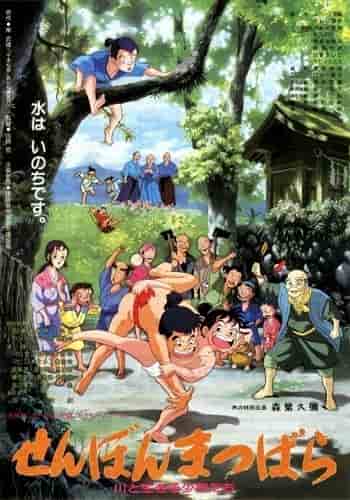
"Senbon Matsubara: Kawa to Ikiru Shōnen-tachi" is set in a rural Japanese village surrounded by dense forests and a winding river, where the lives of a group of boys are deeply intertwined with the natural environment. The narrative centers on their coming-of-age experiences, exploring themes of friendship, resilience, and the delicate balance between humanity and nature. The story begins with the arrival of a mysterious boy named Haruto, who moves to the village after losing his family in a tragic accident. Struggling with grief and isolation, Haruto finds solace in the companionship of three local boys: Kenta, a spirited and adventurous leader; Riku, a quiet and introspective boy with a deep connection to the river; and Shōta, the youngest of the group, whose curiosity often leads them into trouble.
The boys spend their days exploring the forest, fishing in the river, and uncovering the secrets of Senbon Matsubara, a sprawling pine grove said to be haunted by ancient spirits. As they delve deeper into the grove, they encounter strange phenomena, including whispers in the wind and fleeting glimpses of shadowy figures. These experiences gradually reveal the grove’s history, tied to a local legend about a boy who sacrificed himself to save the village from a catastrophic flood. The legend becomes a recurring motif, mirroring the boys’ own struggles and growth as they face challenges both natural and supernatural.
The river serves as a central symbol throughout the series, representing both life and danger. It is a source of sustenance and joy for the boys, but also a reminder of the unpredictability of nature. A pivotal moment occurs when a sudden storm causes the river to flood, threatening the village. The boys must work together to navigate the crisis, drawing on their individual strengths and the lessons they’ve learned from their adventures. Haruto, in particular, undergoes significant development, finding purpose and healing through his bond with the group and his growing appreciation for the natural world.
The series balances episodic storytelling with an overarching narrative, blending moments of lighthearted camaraderie with darker, more introspective themes. The boys’ interactions with the villagers, including a wise elderly fisherman and a reclusive artist, add depth to the story, offering insights into the community’s relationship with the land and its history. The supernatural elements are subtly woven into the narrative, enhancing the sense of mystery without overshadowing the human drama.
By the end of the series, the boys emerge changed by their experiences, having confronted their fears and forged unbreakable bonds. The story concludes with a poignant reflection on the passage of time and the enduring connection between people and the natural world, leaving a lasting impression of resilience and hope.
The boys spend their days exploring the forest, fishing in the river, and uncovering the secrets of Senbon Matsubara, a sprawling pine grove said to be haunted by ancient spirits. As they delve deeper into the grove, they encounter strange phenomena, including whispers in the wind and fleeting glimpses of shadowy figures. These experiences gradually reveal the grove’s history, tied to a local legend about a boy who sacrificed himself to save the village from a catastrophic flood. The legend becomes a recurring motif, mirroring the boys’ own struggles and growth as they face challenges both natural and supernatural.
The river serves as a central symbol throughout the series, representing both life and danger. It is a source of sustenance and joy for the boys, but also a reminder of the unpredictability of nature. A pivotal moment occurs when a sudden storm causes the river to flood, threatening the village. The boys must work together to navigate the crisis, drawing on their individual strengths and the lessons they’ve learned from their adventures. Haruto, in particular, undergoes significant development, finding purpose and healing through his bond with the group and his growing appreciation for the natural world.
The series balances episodic storytelling with an overarching narrative, blending moments of lighthearted camaraderie with darker, more introspective themes. The boys’ interactions with the villagers, including a wise elderly fisherman and a reclusive artist, add depth to the story, offering insights into the community’s relationship with the land and its history. The supernatural elements are subtly woven into the narrative, enhancing the sense of mystery without overshadowing the human drama.
By the end of the series, the boys emerge changed by their experiences, having confronted their fears and forged unbreakable bonds. The story concludes with a poignant reflection on the passage of time and the enduring connection between people and the natural world, leaving a lasting impression of resilience and hope.
Cast
- Fumi
- Village Chief
- Taikichi
- GorōYōichi Okamura
- Yokichi
- Sakichi
- Fusa
- JiheiTarō Arakawa
- Yahei
Comment(s)
Staff
- Director
- Unit DirectorKazunori Tanahashi
- Original creator
- Art DirectorNobutaka Ike
- Sound DirectorKan Mizumoto
- Executive producerSatoshi ItōYoshiaki SetoTokumaru KuniyasuNaomichi Sugino
- StoryboardToshifumi Takizawa
- ScreenplayToshiaki Imaizumi
- MusicMasumi HiyoshiJunko Shimoda
- Character DesignSetsuko Shibuichi
- Animation DirectorKeizō Shimizu
- Director of PhotographyHiroshi Isakawa
- ProducerYoshiyuki Matsuzaki
Production
- ProductionTV TokyoMagic BusMushi ProductionGifu BroadcastingMinaminihon BroadcastingSpace EizōAichi Television BroadcastingMie Television Broadcasting
- Animation ProductionMagic BusMushi Production