OVA
Description
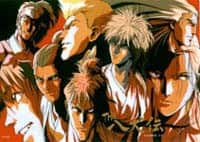
"The Legend of the Dog Warriors: The Hakkenden" is a 1990s anime series based on the epic Japanese novel "Nansō Satomi Hakkenden" by Kyokutei Bakin. The story is set in feudal Japan during a time of political turmoil and supernatural occurrences. It revolves around eight warriors, each embodying one of the virtues inscribed on a set of mystical prayer beads. These warriors are bound by fate and share a spiritual connection to a dog spirit, which ties their destinies together.
The narrative begins with the Satomi clan, a noble family facing extinction due to a curse. To save their lineage, the clan leader makes a desperate pact with a mysterious dog spirit, promising his daughter, Princess Fuse, in marriage to the spirit. The dog spirit, Yatsufusa, sacrifices itself to protect the clan, and its essence is divided into eight beads, each representing a virtue: benevolence, righteousness, courtesy, wisdom, fidelity, loyalty, filial piety, and trust. These beads are scattered, and their bearers are destined to become the Hakkenden, or "Eight Dog Warriors."
The series follows the journey of these warriors as they are drawn together by fate. Each warrior possesses a bead and a unique set of skills, often tied to their personal struggles and moral dilemmas. Among them is Shino Inuzuka, a skilled swordsman burdened by his tragic past, and Sosuke Inukawa, a compassionate and loyal fighter. As the warriors cross paths, they uncover their shared connection to the beads and the dog spirit, gradually realizing their collective purpose.
Throughout the series, the Hakkenden face numerous challenges, including battles against corrupt samurai, supernatural entities, and their own inner conflicts. Their quest is not only to protect the innocent and uphold justice but also to confront the dark forces that threaten the balance of their world. The narrative weaves together themes of loyalty, sacrifice, and the struggle between good and evil, while exploring the personal growth of each warrior as they come to terms with their destinies.
The story is rich in historical and mythological elements, blending feudal Japanese culture with supernatural lore. The characters are deeply interconnected, and their individual arcs contribute to the overarching plot, creating a complex and engaging tale of heroism and redemption. The series is notable for its intricate storytelling, moral depth, and exploration of the human condition through the lens of its diverse cast of characters.
The narrative begins with the Satomi clan, a noble family facing extinction due to a curse. To save their lineage, the clan leader makes a desperate pact with a mysterious dog spirit, promising his daughter, Princess Fuse, in marriage to the spirit. The dog spirit, Yatsufusa, sacrifices itself to protect the clan, and its essence is divided into eight beads, each representing a virtue: benevolence, righteousness, courtesy, wisdom, fidelity, loyalty, filial piety, and trust. These beads are scattered, and their bearers are destined to become the Hakkenden, or "Eight Dog Warriors."
The series follows the journey of these warriors as they are drawn together by fate. Each warrior possesses a bead and a unique set of skills, often tied to their personal struggles and moral dilemmas. Among them is Shino Inuzuka, a skilled swordsman burdened by his tragic past, and Sosuke Inukawa, a compassionate and loyal fighter. As the warriors cross paths, they uncover their shared connection to the beads and the dog spirit, gradually realizing their collective purpose.
Throughout the series, the Hakkenden face numerous challenges, including battles against corrupt samurai, supernatural entities, and their own inner conflicts. Their quest is not only to protect the innocent and uphold justice but also to confront the dark forces that threaten the balance of their world. The narrative weaves together themes of loyalty, sacrifice, and the struggle between good and evil, while exploring the personal growth of each warrior as they come to terms with their destinies.
The story is rich in historical and mythological elements, blending feudal Japanese culture with supernatural lore. The characters are deeply interconnected, and their individual arcs contribute to the overarching plot, creating a complex and engaging tale of heroism and redemption. The series is notable for its intricate storytelling, moral depth, and exploration of the human condition through the lens of its diverse cast of characters.
Episodes
Staffel 1
1The Kaleidoscope
2Dark Music of the Gods
3The Futility Dance
4Horyu Tower
5Demon's Melody
6The Cicada Spirit Cry
7Spirits
8Taigyuro Hall
9The Legend of the Ghost Cat
10Hamaji's Resurrection
11Dog Warriors in the Underworld
12Aspirations of Paradise
13Taking Leave of a Sullied World
Cast
- Enrique Hernández
Comment(s)
Staff
- DirectorTakashi AnnoYukio Okamoto
- StoryboardYukio OkamotoSatoru UtsunomiyaShinya Ōhira
- Episode Director
- Character Design
- Animation DirectorHiroyuki HoriuchiHideyuki MotohashiAtsushi OkudaNobuyuki KitajimaShinji HashimotoAtsushi YamagataKazuo TomizawaNoboru FuruseShinsuke Terasawa
- Director of PhotographyKazuhiro KonishiHitoshi Satō
- ScriptNoboru AikawaHidemi Kamata
- StoryBakin Kyokutei
- MusicTakashi Kudoh
- Art Director
- Sound DirectorYoshikazu Iwanami
- ProducerYasuo HasegawaTōru Miura
Production
- ProductionAICPioneer LDC
Relations
Recommendations based on shared tags.
Anime overview




Manga overview