TV-Series
Description
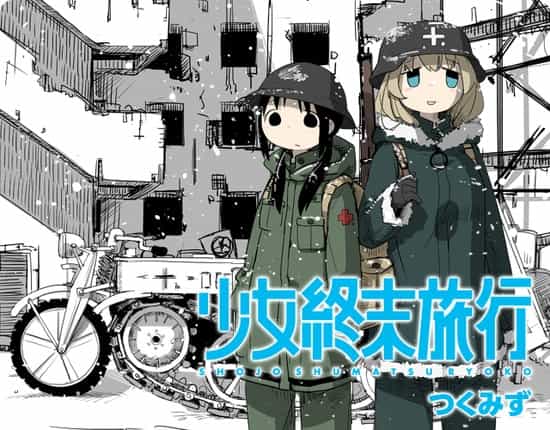
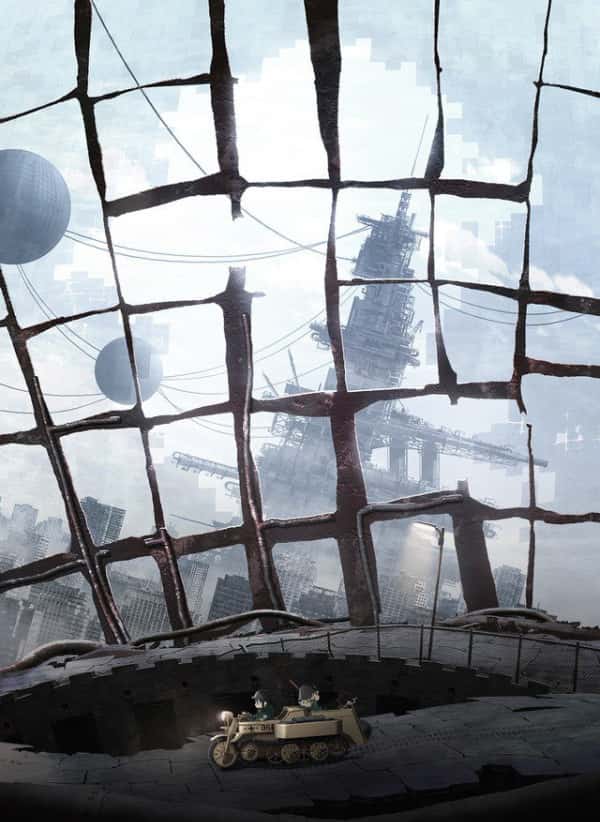
"Girls' Last Tour" is set in a post-apocalyptic world where civilization has collapsed, leaving behind vast, desolate ruins. The story centers on two young girls, Chito and Yuuri, who travel together through the remnants of a once-thriving society. They navigate the eerie, empty landscapes in their Kettenkrad, a hybrid motorcycle-tank, scavenging for food, fuel, and supplies to survive. The setting is characterized by towering industrial structures, abandoned cities, and a pervasive sense of isolation, emphasizing the absence of human life.
Chito, the more reserved and intellectual of the two, often takes on the role of navigator and keeper of knowledge, reading from a small collection of books they carry. Yuuri, in contrast, is more impulsive and carefree, providing a counterbalance to Chito’s cautious nature. Their dynamic is central to the narrative, as their conversations and interactions explore themes of survival, purpose, and the fleeting nature of existence. Despite the bleakness of their surroundings, their bond and shared moments of curiosity and wonder bring warmth to the story.
As they journey through the ruins, Chito and Yuuri encounter remnants of the old world, including advanced technology, art, and cultural artifacts. These discoveries prompt philosophical reflections on the nature of humanity, progress, and the inevitability of decline. The series does not focus on action or conflict but instead emphasizes the quiet, introspective moments between the characters as they grapple with their circumstances. The narrative unfolds in a slow, contemplative manner, allowing the audience to immerse themselves in the atmosphere of the world and the emotional depth of the characters.
The overarching goal of their journey is to reach the top of a massive, layered city structure, which they believe might hold answers or a better life. Along the way, they occasionally meet other survivors, each encounter offering glimpses into how others cope with the desolation. However, these interactions are fleeting, reinforcing the theme of isolation and the transient nature of human connections in their world.
"Girls' Last Tour" is a meditative exploration of survival and companionship in a world stripped of its former glory. The story’s strength lies in its ability to balance the stark, melancholic setting with the resilience and humanity of its protagonists, creating a poignant and thought-provoking narrative.
Chito, the more reserved and intellectual of the two, often takes on the role of navigator and keeper of knowledge, reading from a small collection of books they carry. Yuuri, in contrast, is more impulsive and carefree, providing a counterbalance to Chito’s cautious nature. Their dynamic is central to the narrative, as their conversations and interactions explore themes of survival, purpose, and the fleeting nature of existence. Despite the bleakness of their surroundings, their bond and shared moments of curiosity and wonder bring warmth to the story.
As they journey through the ruins, Chito and Yuuri encounter remnants of the old world, including advanced technology, art, and cultural artifacts. These discoveries prompt philosophical reflections on the nature of humanity, progress, and the inevitability of decline. The series does not focus on action or conflict but instead emphasizes the quiet, introspective moments between the characters as they grapple with their circumstances. The narrative unfolds in a slow, contemplative manner, allowing the audience to immerse themselves in the atmosphere of the world and the emotional depth of the characters.
The overarching goal of their journey is to reach the top of a massive, layered city structure, which they believe might hold answers or a better life. Along the way, they occasionally meet other survivors, each encounter offering glimpses into how others cope with the desolation. However, these interactions are fleeting, reinforcing the theme of isolation and the transient nature of human connections in their world.
"Girls' Last Tour" is a meditative exploration of survival and companionship in a world stripped of its former glory. The story’s strength lies in its ability to balance the stark, melancholic setting with the resilience and humanity of its protagonists, creating a poignant and thought-provoking narrative.
Episodes
Staffel 1
1Starry Sky/War
2Bath/Diary/Laundry
3Encounter/City/Streetlight
4Photograph/Temple
5Dwelling/Nap/Sound of Rain
6Breakdown/Engineering/Takeoff
7Labyrinth/Cooking
8Memory/Spring/Moonlight
9Technology/Water Tank/Life
10Train/Wavelength/Capture
11Civilization/Destruction/Past
12Connection/Comrades
Cast
- Alexandra Wilcke
- Christian Wunderlich
Comment(s)
Staff
- DirectorTakaharu Ozaki
- ScriptKazuyuki Fudeyasu
- Episode DirectorKazuhiro OzawaHiroyuki TsuchiyaTakaharu OzakiNaoko TakeichiTomoko HiramukiYoshiko Mikami
- MusicKenichirō Suehiro
- Character DesignMai Toda
- Chief Animation DirectorMai Toda
- 3D DirectorPatricia Hishikawa
- Director of PhotographyKazumasa Someya
- Series CompositionKazuyuki Fudeyasu
- StoryboardKazuhiro OzawaTakaharu OzakiKenichi KawamuraMasayuki Sakoi
- Unit DirectorTakaharu Ozaki
- Original creator
- Art DirectorMasakazu Miyake
- Animation DirectorMasahiko NakataKazuhisa NakamuraYoshiya YamamotoTakashi NagayoshiRyōsuke KimiyaMai TodaTakayuki OnodaNaoki HiramuraYaeko WatanabeShusuke AizawaNorie Igawa
- Sound DirectorJin Aketagawa
- ProducerMitsuhiro OgataShō TanakaNoritomo IsogaiTomoaki Iwasaka
Production
- Animation ProductionWHITE FOX
Relations
Manga overview