TV-Series
Description
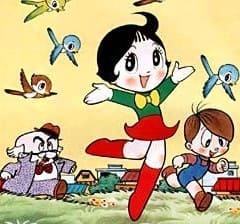
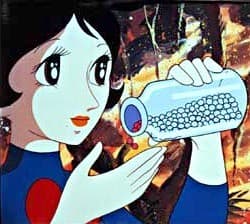
"Marvelous Melmo" is a 1973 anime series based on a manga by Osamu Tezuka. The story centers on Melmo, a young girl who experiences a dramatic transformation after her mother dies in a car accident. Her mother's spirit, seeking to protect her, grants Melmo a magical gift: a set of candies that allow her to change her age at will. By consuming the red candy, Melmo can transform into an adult, while the blue candy reverts her to a child. A green candy enables her to become a baby, and a yellow candy allows her to transform into an elderly woman. These transformations provide Melmo with unique abilities to navigate challenges and help others.
The narrative explores Melmo's dual life as she balances her ordinary childhood with the responsibilities and opportunities that come with her newfound powers. Each episode typically presents a self-contained story where Melmo uses her transformations to solve problems, assist friends and family, or confront moral dilemmas. Her abilities often lead to humorous or poignant situations, highlighting the complexities of growing up and the different perspectives that come with varying stages of life.
Supporting characters include Melmo's younger brother, Chobi, who occasionally becomes involved in her adventures, and her father, who remains unaware of her magical abilities. The series also features a recurring antagonist, a mysterious figure who seeks to exploit Melmo's powers for personal gain. This dynamic adds tension and stakes to the otherwise episodic structure of the show.
Themes of family, responsibility, and the passage of time are woven throughout the series, as Melmo grapples with the consequences of her transformations and the emotional weight of her mother's absence. The narrative often emphasizes the importance of empathy and understanding, as Melmo's ability to experience life from multiple perspectives allows her to connect with people of all ages and backgrounds.
"Marvelous Melmo" stands out for its imaginative premise and its exploration of universal themes through the lens of a fantastical, yet grounded, story. The series remains a notable entry in Osamu Tezuka's body of work, blending whimsy with thoughtful storytelling.
The narrative explores Melmo's dual life as she balances her ordinary childhood with the responsibilities and opportunities that come with her newfound powers. Each episode typically presents a self-contained story where Melmo uses her transformations to solve problems, assist friends and family, or confront moral dilemmas. Her abilities often lead to humorous or poignant situations, highlighting the complexities of growing up and the different perspectives that come with varying stages of life.
Supporting characters include Melmo's younger brother, Chobi, who occasionally becomes involved in her adventures, and her father, who remains unaware of her magical abilities. The series also features a recurring antagonist, a mysterious figure who seeks to exploit Melmo's powers for personal gain. This dynamic adds tension and stakes to the otherwise episodic structure of the show.
Themes of family, responsibility, and the passage of time are woven throughout the series, as Melmo grapples with the consequences of her transformations and the emotional weight of her mother's absence. The narrative often emphasizes the importance of empathy and understanding, as Melmo's ability to experience life from multiple perspectives allows her to connect with people of all ages and backgrounds.
"Marvelous Melmo" stands out for its imaginative premise and its exploration of universal themes through the lens of a fantastical, yet grounded, story. The series remains a notable entry in Osamu Tezuka's body of work, blending whimsy with thoughtful storytelling.
Cast
Comment(s)
Staff
- Chief DirectorBonjin Nagaki
- StoryboardHideo FurusawaBonjin NagakiKatsukazu NishitaniMotoo HondaNobuo ŌnukiKōzō Masanobu
- Original creator
- Animation Director
- ProducerNorio Suzuki
- ScreenplayBonjin NagakiTatsuo ShibayamaMorimasa MatsumotoKatsukazu NishitaniMotoo HondaNobuo ŌnukiKōzō Masanobu
- Episode DirectorHideo FurusawaBonjin NagakiKatsukazu NishitaniMotoo HondaNobuo ŌnukiKōzō Masanobu
- ArtKazuko NakamuraToshiyasu OkadaShigeru YamamotoTeiichi AkashiTatsuro Kadoya
- Sound DirectorSusumu Aketagawa
- MusicSeiichirō UnoTōru Hasebe
Production
- ProductionTezuka ProductionsMushi ProductionAsahi Broadcasting Corporation
Relations
Manga overview