TV-Series
Description
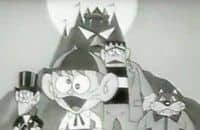
"Kaibutsu-kun" is a comedic and surreal anime series based on the manga by Fujiko Fujio. The story revolves around Kaibutsu-kun, a young prince from the Monster Kingdom who comes to the human world to study human behavior and culture. Accompanied by his loyal butler, Vampire, and his mischievous pet, Obake, Kaibutsu-kun navigates the peculiarities of human life while maintaining his royal duties. His interactions with humans, particularly a boy named Hiroshi, often lead to absurd and humorous situations, blending supernatural elements with everyday scenarios.
The Monster Kingdom is a parallel world inhabited by various creatures, each with unique abilities and quirks. Kaibutsu-kun’s father, the Monster King, sends him to Earth as part of his education, believing that understanding humans will benefit their kingdom. Despite his royal status, Kaibutsu-kun is naive and often struggles to grasp human customs, leading to comedic misunderstandings. His butler, Vampire, serves as a foil, providing dry wit and a more grounded perspective, while Obake, a shape-shifting creature, adds chaos with his unpredictable antics.
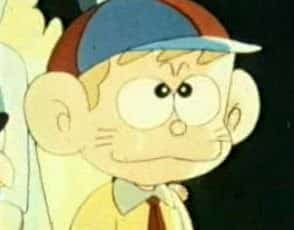
Hiroshi, a human boy, becomes Kaibutsu-kun’s primary connection to the human world. Their friendship forms the core of the narrative, as Hiroshi helps Kaibutsu-kun navigate human society while also being drawn into the bizarre world of monsters. The series explores themes of cultural exchange, friendship, and the clash between the ordinary and the extraordinary, often through exaggerated and slapstick humor.
The episodic structure of the series allows for a variety of comedic scenarios, ranging from Kaibutsu-kun’s attempts to understand human technology to his encounters with other monsters visiting Earth. The Monster Kingdom’s politics and traditions occasionally come into play, adding depth to the world-building and providing context for Kaibutsu-kun’s actions. Despite the fantastical elements, the series maintains a lighthearted tone, focusing on the humor derived from the characters’ interactions and the absurdity of their situations.
Overall, "Kaibutsu-kun" combines supernatural elements with comedic storytelling, creating a whimsical and entertaining narrative that highlights the contrasts between the human and monster worlds. The characters’ distinct personalities and the series’ imaginative premise contribute to its unique charm, making it a memorable entry in the genre of comedic anime.
The Monster Kingdom is a parallel world inhabited by various creatures, each with unique abilities and quirks. Kaibutsu-kun’s father, the Monster King, sends him to Earth as part of his education, believing that understanding humans will benefit their kingdom. Despite his royal status, Kaibutsu-kun is naive and often struggles to grasp human customs, leading to comedic misunderstandings. His butler, Vampire, serves as a foil, providing dry wit and a more grounded perspective, while Obake, a shape-shifting creature, adds chaos with his unpredictable antics.
Hiroshi, a human boy, becomes Kaibutsu-kun’s primary connection to the human world. Their friendship forms the core of the narrative, as Hiroshi helps Kaibutsu-kun navigate human society while also being drawn into the bizarre world of monsters. The series explores themes of cultural exchange, friendship, and the clash between the ordinary and the extraordinary, often through exaggerated and slapstick humor.
The episodic structure of the series allows for a variety of comedic scenarios, ranging from Kaibutsu-kun’s attempts to understand human technology to his encounters with other monsters visiting Earth. The Monster Kingdom’s politics and traditions occasionally come into play, adding depth to the world-building and providing context for Kaibutsu-kun’s actions. Despite the fantastical elements, the series maintains a lighthearted tone, focusing on the humor derived from the characters’ interactions and the absurdity of their situations.
Overall, "Kaibutsu-kun" combines supernatural elements with comedic storytelling, creating a whimsical and entertaining narrative that highlights the contrasts between the human and monster worlds. The characters’ distinct personalities and the series’ imaginative premise contribute to its unique charm, making it a memorable entry in the genre of comedic anime.
Cast
- Frankie
- Laura Valastro
- Werewolf
Comment(s)
Staff
- DirectorHiroshi Fukutomi
- StoryboardKazuo YamazakiHiroshi FukutomiKenji KodamaMichishiro YamadaTetsuo YasumiTsutomu ShibayamaKazuyuki HirokawaShuji IuchiTakeo KitaharaHiroshi YoshidaKazunori TanahashiHajime MatsuzakiYumiko SudaKatsuhiko YamazakiTakao SuzukiSaki NodaFumio MaezonoAzuma NumajiriMakoto NakaharaJōhei MatsuuraToshihiko AndōShōei Tsukada
- Original Manga
- Animation DirectorYoshiji KigamiShin'ichi SuzukiToshiyuki Honda
- Director of PhotographyNobuo KoyamaHitoshi Kaneko
- ScriptHiroshi FukutomiMiho MaruoHideo TakayashikiTakashi YamadaYoshio UrasawaKiyoshi MiyataAtsushi YamatoyaKazuichi TsurumiSeiji MatsuokaMikio MatsushitaAkira KusakawaYūko YamamotoKōichi Mizuide
- MusicHiroshi Tsutsui
- Art DirectorKen Kawai
- Art designShōhei Kawamoto
- ProducerYoshifusa SanadaMasaki TakahashiTetsuo KannoSōichi Besshi
Production
- Animation ProductionShin-Ei Animation
- ProductionShin-Ei Animation