TV-Series
Description
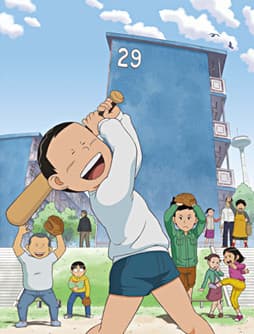
"Danchi Tomoo" is a slice-of-life anime series that centers around the daily life and adventures of Tomoo Tamura, a mischievous and energetic elementary school boy living in a Japanese housing complex, or "danchi." The narrative captures the essence of childhood through Tomoo's interactions with his family, friends, and neighbors, offering a nostalgic portrayal of life in a close-knit community.
Tomoo is a quintessential troublemaker, often finding himself in humorous and sometimes chaotic situations. His antics are driven by curiosity and a desire for fun, leading to various escapades that range from harmless pranks to more elaborate schemes. Despite his mischievous nature, Tomoo has a good heart and often learns valuable lessons through his experiences. His family, including his hardworking father, caring mother, and younger sister, play significant roles in shaping his character and providing a backdrop of familial warmth and occasional tension.
The series also highlights Tomoo's friendships with his classmates and neighbors, particularly his best friend, Shinji. Together, they navigate the ups and downs of childhood, from schoolyard rivalries to imaginative adventures. The dynamic between Tomoo and Shinji is a key element of the story, showcasing the camaraderie and occasional conflicts that define their bond. Other characters, such as Tomoo's strict teacher and the various residents of the danchi, add depth to the narrative, creating a rich tapestry of relationships and interactions.
The plot unfolds in episodic fashion, with each episode presenting a self-contained story that contributes to the overall depiction of Tomoo's world. Themes of friendship, family, and growing up are woven throughout the series, providing a relatable and heartwarming portrayal of childhood. The setting of the danchi serves as a microcosm of society, where the simplicity of everyday life is juxtaposed with the complexities of human relationships.
"Danchi Tomoo" stands out for its authentic and endearing depiction of childhood, capturing the innocence, curiosity, and occasional mischief that define the early years of life. The series offers a nostalgic glimpse into a bygone era, resonating with audiences through its relatable characters and timeless themes.
Tomoo is a quintessential troublemaker, often finding himself in humorous and sometimes chaotic situations. His antics are driven by curiosity and a desire for fun, leading to various escapades that range from harmless pranks to more elaborate schemes. Despite his mischievous nature, Tomoo has a good heart and often learns valuable lessons through his experiences. His family, including his hardworking father, caring mother, and younger sister, play significant roles in shaping his character and providing a backdrop of familial warmth and occasional tension.
The series also highlights Tomoo's friendships with his classmates and neighbors, particularly his best friend, Shinji. Together, they navigate the ups and downs of childhood, from schoolyard rivalries to imaginative adventures. The dynamic between Tomoo and Shinji is a key element of the story, showcasing the camaraderie and occasional conflicts that define their bond. Other characters, such as Tomoo's strict teacher and the various residents of the danchi, add depth to the narrative, creating a rich tapestry of relationships and interactions.
The plot unfolds in episodic fashion, with each episode presenting a self-contained story that contributes to the overall depiction of Tomoo's world. Themes of friendship, family, and growing up are woven throughout the series, providing a relatable and heartwarming portrayal of childhood. The setting of the danchi serves as a microcosm of society, where the simplicity of everyday life is juxtaposed with the complexities of human relationships.
"Danchi Tomoo" stands out for its authentic and endearing depiction of childhood, capturing the innocence, curiosity, and occasional mischief that define the early years of life. The series offers a nostalgic glimpse into a bygone era, resonating with audiences through its relatable characters and timeless themes.
Cast
- Tomoo Kinoshita
- Yoshinobu Yoshida
- Tetsuo Kinoshita
- Tetsuko Kinoshita
- Keiko Kamakura
Comment(s)
Staff
- DirectorAyumu Watanabe
- Script
- Original creator
- Art DirectorKenichi Tajiri
- Cgi DirectorMasumi SatōAsuka Abe
- Series CompositionTakashi Yamada
- MusicTomoki Hasegawa
- Character DesignMichiru Kuwabata
- Sound DirectorToshiki Kameyama
- Director of PhotographyKōichi Gonda
Production
- Animation ProductionShogakukan Music & Digital Entertainment
- ProductionNHKNHK Enterprises
Relations
Recommendations based on shared tags.