TV-Series
Description
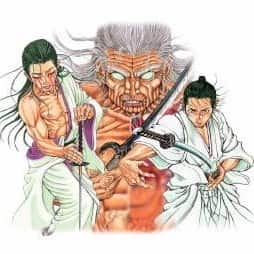
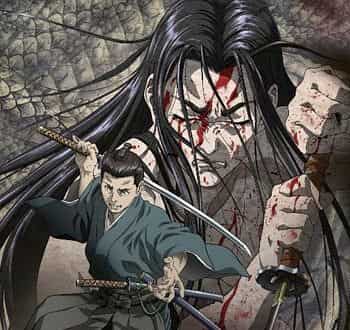
"Shigurui" is a historical drama set in 17th-century Japan during the Edo period, focusing on the brutal and unforgiving world of samurai. The story begins with a deadly duel between two swordsmen, Gennosuke Fujiki and Seigen Irako, at the Kogan-ryu dojo under the watchful eye of their master, Kogan Iwamoto. Fujiki, a one-armed swordsman, and Irako, a blind and disfigured fighter, are both students of the Kogan-ryu school, but their rivalry is deeply personal and rooted in betrayal, ambition, and vengeance.
The narrative unfolds through a series of flashbacks, revealing the events that led to the climactic duel. Fujiki, a stoic and disciplined warrior, loses his arm during a training session with Irako, who harbors a deep-seated resentment toward Fujiki for his perceived favoritism from their master. Irako, driven by jealousy and a desire for power, manipulates those around him, including Kogan's daughter, Mie, to further his own ambitions. Mie, caught between loyalty to her father and her growing attachment to Irako, becomes a pivotal figure in the escalating conflict.
The series delves into themes of honor, loyalty, and the destructive nature of obsession. The characters are deeply flawed, and their actions often lead to tragic consequences. Kogan Iwamoto, the aging and ailing master of the dojo, struggles to maintain control over his school as internal strife threatens to tear it apart. His deteriorating health and inability to mediate the growing tensions between his students add to the sense of impending doom.
As the story progresses, the rivalry between Fujiki and Irako intensifies, culminating in a brutal and visceral confrontation. The duel is not merely a physical battle but a clash of ideologies and personal vendettas. The series does not shy away from depicting the graphic violence and moral ambiguity of the samurai code, presenting a stark and unflinching portrayal of the era.
"Shigurui" is characterized by its meticulous attention to historical detail and its exploration of the darker aspects of human nature. The characters' motivations are complex, and their relationships are fraught with tension and betrayal. The narrative structure, which alternates between the present duel and the events leading up to it, creates a sense of inevitability and tragedy, underscoring the futility of their conflict. The series offers a grim and thought-provoking examination of the samurai ethos and the consequences of unchecked ambition and revenge.
The narrative unfolds through a series of flashbacks, revealing the events that led to the climactic duel. Fujiki, a stoic and disciplined warrior, loses his arm during a training session with Irako, who harbors a deep-seated resentment toward Fujiki for his perceived favoritism from their master. Irako, driven by jealousy and a desire for power, manipulates those around him, including Kogan's daughter, Mie, to further his own ambitions. Mie, caught between loyalty to her father and her growing attachment to Irako, becomes a pivotal figure in the escalating conflict.
The series delves into themes of honor, loyalty, and the destructive nature of obsession. The characters are deeply flawed, and their actions often lead to tragic consequences. Kogan Iwamoto, the aging and ailing master of the dojo, struggles to maintain control over his school as internal strife threatens to tear it apart. His deteriorating health and inability to mediate the growing tensions between his students add to the sense of impending doom.
As the story progresses, the rivalry between Fujiki and Irako intensifies, culminating in a brutal and visceral confrontation. The duel is not merely a physical battle but a clash of ideologies and personal vendettas. The series does not shy away from depicting the graphic violence and moral ambiguity of the samurai code, presenting a stark and unflinching portrayal of the era.
"Shigurui" is characterized by its meticulous attention to historical detail and its exploration of the darker aspects of human nature. The characters' motivations are complex, and their relationships are fraught with tension and betrayal. The narrative structure, which alternates between the present duel and the events leading up to it, creates a sense of inevitability and tragedy, underscoring the futility of their conflict. The series offers a grim and thought-provoking examination of the samurai ethos and the consequences of unchecked ambition and revenge.
Episodes
Staffel 1
1Sunpu Castle Game Tournament
2Yodare azuki
3Kamaitachi
4Children's Song
5Secret Sword Instruction
6Birthing Cry
7Fang
8Outburst of Crickets Chirping
9Tiger Child
10Kengyou Punishment Mansion
11Moonlight
12Mumyo Sakanagare
Cast
- Seigen Irako
- NarrateurArnaud Chabert
Comment(s)
Staff
- DirectorHiroshi Hamasaki
- ScriptSeishi MinakamiKei Tsunematsu
- Episode Director
- Original creator
- Character DesignMasanori Shino
- Chief Animation DirectorMasanori Shino
- Sound DirectorYasunori Honda
- Executive producer
- Series CompositionSeishi Minakami
- StoryboardTōru TakahashiKazuya KomaiMichio FukudaTōru YoshidaKōjirō TsuruokaHiroshi HamasakiKunio KatsukiMitsuyuki MasuharaTakayuki Hirao
- MusicKiyoshi Yoshida
- Original Manga
- Art DirectorHidetoshi Kaneko
- Animation DirectorKazuya KomaiTakuji AbeMasahiro EmotoMasanori ShinoYoshiko OkudaTakashi MurataniNoriyoshi YamazakiMutsuaki Murata
- Cgi DirectorHiroshi Souma
- ProducerYasuyuki UedaHiroyuki KitauraYukiko NinokataYoshihiro Koyama
Production
- Animation ProductionMadhouse
- ProductionMadhouseWOWOWGeneon Universal EntertainmentAkita PublishingShigurui Production Committee