
TV-Series
Description
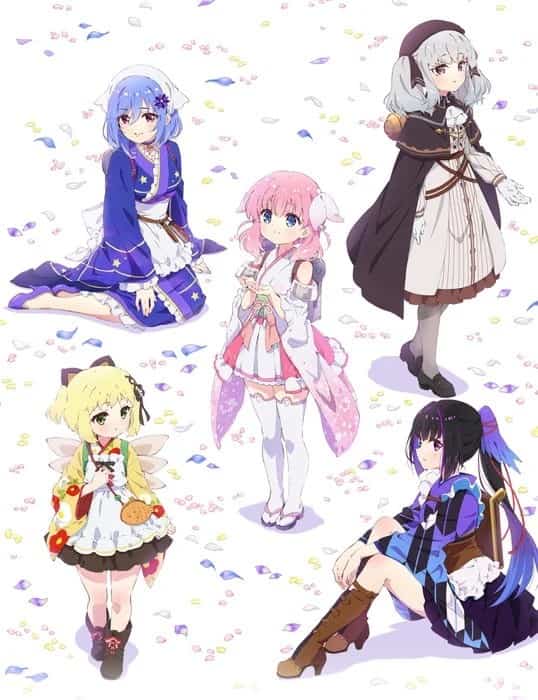
"Prima Doll" is set in a post-war world where autonomous mechanical dolls, known as Automata, were once used as weapons but have since been repurposed for civilian life. The story centers on Haizakura, a former military Automata who now works at a café called Kuronekotei, alongside other Automata with similar pasts. The café serves as a place of solace and connection for both humans and Automata, offering a glimpse into their struggles to adapt to a peaceful existence.
Haizakura, the protagonist, grapples with fragmented memories of her time as a weapon and seeks to understand her purpose in a world no longer at war. Her journey is intertwined with the lives of her fellow Automata, each carrying their own emotional burdens and unresolved histories. The narrative explores themes of identity, redemption, and the search for meaning in a society transitioning from conflict to peace.
The café's owner, Gure, acts as a guiding figure, providing support and a sense of stability for the Automata. Other key characters include Karasuba, a reserved and disciplined Automata with a strong sense of duty, and Retzel, a cheerful and optimistic doll who contrasts with the more somber tones of her companions. Together, they navigate their new roles, forming bonds and confronting the lingering shadows of their past.
The plot unfolds through episodic interactions with customers and personal revelations, gradually revealing the broader societal tensions between humans and Automata. As Haizakura and her companions uncover more about their origins and the war's impact, they are forced to confront difficult truths about their existence and the ethical implications of their creation. The series balances moments of introspection with lighthearted interactions, creating a narrative that is both poignant and hopeful.
Haizakura, the protagonist, grapples with fragmented memories of her time as a weapon and seeks to understand her purpose in a world no longer at war. Her journey is intertwined with the lives of her fellow Automata, each carrying their own emotional burdens and unresolved histories. The narrative explores themes of identity, redemption, and the search for meaning in a society transitioning from conflict to peace.
The café's owner, Gure, acts as a guiding figure, providing support and a sense of stability for the Automata. Other key characters include Karasuba, a reserved and disciplined Automata with a strong sense of duty, and Retzel, a cheerful and optimistic doll who contrasts with the more somber tones of her companions. Together, they navigate their new roles, forming bonds and confronting the lingering shadows of their past.
The plot unfolds through episodic interactions with customers and personal revelations, gradually revealing the broader societal tensions between humans and Automata. As Haizakura and her companions uncover more about their origins and the war's impact, they are forced to confront difficult truths about their existence and the ethical implications of their creation. The series balances moments of introspection with lighthearted interactions, creating a narrative that is both poignant and hopeful.
Episodes
Staffel 1
1The First Melody
2Playing Alongside the Moon
3Starry Sky Requiem
4Fluttering Wings Return
5Singing in the Rain
6The Black Cat`s Concert
7Dreamlike Days
8Rondo of Eternal Winter
9A Momentary Sextet
10Unending Unison
11Thunderous War Song
12Let These Feelings Resound
Cast
Comment(s)
Staff
- DirectorTensho
- ScriptKAITōya Okano
- Character Design
- Chief Animation DirectorRyōsuke Ochiai
- Cgi DirectorRyōji Minowa
- StoryboardSatoshi ShimizuYūichirō AokiKento ShintaniTenshoRyūta YamamotoURATakanori YamamotoKomari Kamikita
- Unit DirectorURAMegumi Soga
- Executive producerTakahiro BabaMasanori YumiyaHiroyuki TajimaMitsugu IwanoHirotaka KanekoShinji NakanoYoshiki MaedaNaoki MoriHiroaki NishimuraMasami Machida
- Series CompositionKAITōya Okano
- Original Character DesignYui HaraNa-GaFuzichocoEn Morikuralack
- Art DirectorMasakazu Miyake
- Sound DirectorMasanori Tsuchiya
- Director of PhotographyYūga Kai
- Episode Director
- Animation DirectorToyoaki FukushimaTatsuo KamiutoSatoshi SakaiKenta MizusakiYūma YokomatsuRyōtarō AkaoTakeshi MoriyamaYūki KitajimaMami FurutokuYukie HirakaRyōsuke OchiaiJoãoBeastChiaki TateokaYuki ShizukuMacarena DuarteTrang Chan NguyenNerimaku
- ProducerEmi KashimuraToshihiro SuzukiKazuaki TakahashiHiroyuki AoiHiroo SaitōTōya OkanoRyōhei YamashitaYūko MatsuiShngo Akita
Production
- Animation ProductionBibury Animation Studio
- ProductionPrima Doll Production Committee
Music
Ending
Insert songs
Ep. 1
Ep. 10
Ep. 12