TV-Series
Description
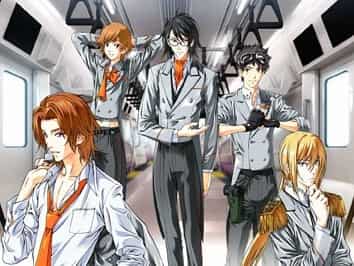
"Miracle Train - Ōedo-sen e Yōkoso" is a 12-episode anime series that revolves around a unique concept: a magical train line in Tokyo that appears to help women in emotional distress. The train, known as the Miracle Train, is personified by six handsome young men, each representing a different station along the Ōedo subway line. These characters—Shinagawa, Roppongi, Tochōmae, Tsukishima, Ryōgoku, and Shiodome—serve as guides and confidants to the women who board the train, offering them advice and support to resolve their personal struggles.
The narrative unfolds episodically, with each episode focusing on a different female protagonist who finds herself on the Miracle Train. These women come from various walks of life and face a range of emotional challenges, such as unrequited love, workplace stress, family issues, and self-doubt. The train’s personified stations interact with the women, using their unique personalities and perspectives to help them confront their problems. For example, Shinagawa, the calm and composed leader, often provides logical solutions, while Roppongi, the flirtatious and playful character, uses humor to lighten the mood.
The series blends elements of fantasy, romance, and slice-of-life, with a lighthearted tone that occasionally delves into more serious themes. While the primary focus is on the women’s stories, the interactions between the male characters also reveal their own personalities and dynamics, adding depth to the narrative. The train itself serves as a metaphor for life’s journey, with each station representing a step toward emotional resolution and personal growth.
Throughout the series, the Miracle Train’s magical nature is subtly hinted at, with the train appearing only to those in need and disappearing once their issues are resolved. The episodic structure allows for a variety of emotional arcs, ensuring that each story feels distinct while maintaining a cohesive overarching theme of healing and self-discovery. The series concludes with a sense of closure, as the train continues its journey, ready to assist the next passenger in need.
The narrative unfolds episodically, with each episode focusing on a different female protagonist who finds herself on the Miracle Train. These women come from various walks of life and face a range of emotional challenges, such as unrequited love, workplace stress, family issues, and self-doubt. The train’s personified stations interact with the women, using their unique personalities and perspectives to help them confront their problems. For example, Shinagawa, the calm and composed leader, often provides logical solutions, while Roppongi, the flirtatious and playful character, uses humor to lighten the mood.
The series blends elements of fantasy, romance, and slice-of-life, with a lighthearted tone that occasionally delves into more serious themes. While the primary focus is on the women’s stories, the interactions between the male characters also reveal their own personalities and dynamics, adding depth to the narrative. The train itself serves as a metaphor for life’s journey, with each station representing a step toward emotional resolution and personal growth.
Throughout the series, the Miracle Train’s magical nature is subtly hinted at, with the train appearing only to those in need and disappearing once their issues are resolved. The episodic structure allows for a variety of emotional arcs, ensuring that each story feels distinct while maintaining a cohesive overarching theme of healing and self-discovery. The series concludes with a sense of closure, as the train continues its journey, ready to assist the next passenger in need.
Episodes
Staffel 1
1Labyrinth 42.3
2A Passport for You
3130000 People Start Travelling
4Departing From the Future, Going to the Past
5Love's Mile Marker Zero
6Railway from Tsukishima
7Ooedo Mystery Train
8Tiny Customer
9The Men's Miracle Train
10Bark at the Oedo Line!
11The Proposal from 3 Years Ago
12Another Passenger
13The Miracle of the Holy Night
Cast
- Saki Tochō
- Lune Tachikawa
Comment(s)
Staff
- DirectorKenichi Kasai
- ScriptNatsuko TakahashiYuka YamadaYoichi KatoKeiichirou DaichiKeiichirō Ōchi
- Episode DirectorYukihiro ShinoKenichi MaejimaShinichi TōkairinHazuki MizumotoNobukage KimuraHidetoshi TakahashiTakashi AndōHodaka Kuramoto
- Original ConceptKazumi UemuraAkiko KihiraMiyuka Kidachi
- Character Design
- Chief Animation Director
- 3D DirectorHidemitsu Shiono
- Director of PhotographyShinya Matsuzaki
- ProducerYumiko MasujimaShigeru SaitōShinnosuke Wada
- Series CompositionYoichi Kato
- StoryboardKiyotaka IsakoKenichi MaejimaKenichi KasaiShinichi TōkairinNobukage KimuraTakashi MusashisakaiMashu ItōAtsuko KaseYūji Yanase
- Unit DirectorNobukage Kimura
- Original Character DesignTomohisa Kai
- Art DirectorChikako Shibata
- Animation DirectorHideaki ShimadaHiroshi OikawaYumenosuke TokudaTomomi UmemuraJouji SawadaMasato NumazuMika TakazawaAkira TabataTakahiro YasudaDaisuke TomiyamaKazuyuki IkaiShūji TakaharaYūji YanaseNoriko Tejima
- Sound Director
- Executive producerEita Katsumata
- MusicTatsuya Katō
Production
- ProductionAniplexTV TokyoDax Production
- Animation ProductionYumeta Company
Relations
Recommendations based on shared tags.