TV-Series
Description
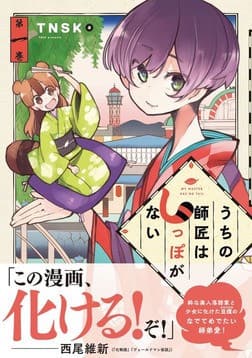
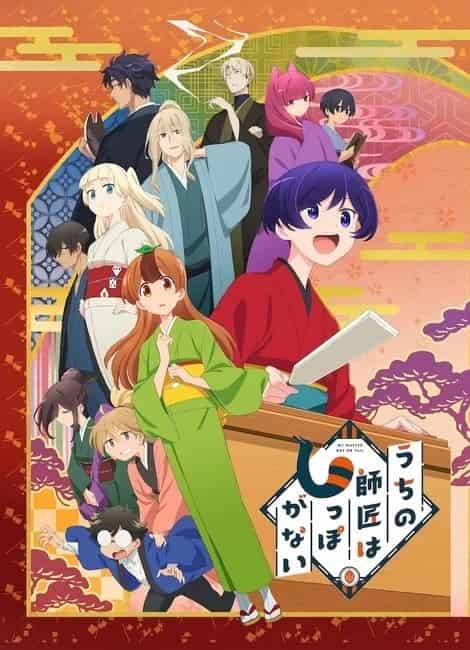
"My Master Has No Tail" is a fantasy-comedy anime set in a world where humans and supernatural beings coexist. The story centers on Mameda, a young tanuki (a shape-shifting raccoon dog from Japanese folklore) who aspires to become a rakugo performer, a traditional form of Japanese comedic storytelling. Despite her enthusiasm, Mameda struggles to master the art due to her lack of understanding of human emotions and experiences. Her journey begins when she encounters Bunko, a skilled and stoic rakugo performer who becomes her reluctant mentor.
Bunko, a human with a mysterious past, initially dismisses Mameda’s ambitions, viewing her as naive and unprepared for the challenges of rakugo. However, Mameda’s persistence and genuine passion gradually earn Bunko’s respect, leading to an unconventional teacher-student relationship. The series explores their dynamic as Mameda learns the intricacies of rakugo, including the importance of timing, delivery, and connecting with the audience. Along the way, she faces various obstacles, such as her own insecurities, the skepticism of other performers, and the cultural divide between humans and tanuki.
The narrative is episodic, with each episode often featuring Mameda’s attempts to perform rakugo or her interactions with other characters, including fellow performers and supernatural beings. These interactions highlight the cultural and personal challenges she faces, as well as the humor and heartwarming moments that arise from her growth. The series also delves into Bunko’s backstory, revealing her motivations and the reasons behind her initial reluctance to mentor Mameda.
Themes of perseverance, cultural appreciation, and the power of storytelling are woven throughout the series. Mameda’s journey is not just about mastering rakugo but also about understanding humanity and finding her own voice. The anime balances comedic elements with moments of introspection, creating a narrative that is both entertaining and thought-provoking. The characters’ development, particularly Mameda’s transformation from an overeager novice to a more nuanced performer, is central to the story’s progression.
Bunko, a human with a mysterious past, initially dismisses Mameda’s ambitions, viewing her as naive and unprepared for the challenges of rakugo. However, Mameda’s persistence and genuine passion gradually earn Bunko’s respect, leading to an unconventional teacher-student relationship. The series explores their dynamic as Mameda learns the intricacies of rakugo, including the importance of timing, delivery, and connecting with the audience. Along the way, she faces various obstacles, such as her own insecurities, the skepticism of other performers, and the cultural divide between humans and tanuki.
The narrative is episodic, with each episode often featuring Mameda’s attempts to perform rakugo or her interactions with other characters, including fellow performers and supernatural beings. These interactions highlight the cultural and personal challenges she faces, as well as the humor and heartwarming moments that arise from her growth. The series also delves into Bunko’s backstory, revealing her motivations and the reasons behind her initial reluctance to mentor Mameda.
Themes of perseverance, cultural appreciation, and the power of storytelling are woven throughout the series. Mameda’s journey is not just about mastering rakugo but also about understanding humanity and finding her own voice. The anime balances comedic elements with moments of introspection, creating a narrative that is both entertaining and thought-provoking. The characters’ development, particularly Mameda’s transformation from an overeager novice to a more nuanced performer, is central to the story’s progression.
Episodes
Staffel 1
1I'll Become a Rakugoka!
2Just Go Ahead and Try to Steal My Technique
3Watch Carefully
4It's the Mistakes You See, Not the Ones You Don't
5Mejiro, Hamachi, Buri
6The Audience is Food!
7You'll Stumble Again and Again with the First Step
8Nobody in Their Right Mind Becomes a Performer
9There's No Point If It Isn't Master
10Why Not Me?
11Let My Art End with You
12There's No Point to You Being Interesting
13You Taught Me Everything, Master
Cast
Comment(s)
Staff
- DirectorHideyo Yamamoto
- ScriptTōko MachidaKei ShimobayashiYūho TogashiAya Satsuki
- Episode DirectorSatoshi NakagawaHideyo YamamotoYutaka HirataToshiyuki AnzaiFumihiro MatsuiKazuya FujishiroYoshitsugu KimuraDede Yokoyama
- MusicTsukasa YatokiYuki HondaAtsushi Harada
- Character DesignRyō Yamauchi
- Chief Animation DirectorNorifumi OkunoTōma KanbaraRyō Yamauchi
- Sound DirectorRyōsuke Naya
- Series CompositionTōko Machida
- StoryboardHideyo YamamotoRyō YamauchiDaishi Hayashi
- Unit DirectorHideyo YamamotoRyō YamauchiDaishi Hayashi
- Original creator
- Art DirectorYukihiro Saitō
- Animation DirectorYasuhiro NamatameKazuhiro SasakiShōsuke ShimizuSatoshi ShimadaKazuma UikeKenji HattoriSachiko SugimotoYoshito NarimatsuMasashi NishikawaNaoaki HōjōTomomi KimuraMasayuki FujitaKatsuji MatsumotoToshiyuki AnzaiShō KojimaYang Hyun OhDae-Jung KimEmi NakaiKenji ShibataSakurako MitsuhashiMi Hyun ParkSeong Jin HoAkira IwasakiTaeko MitsuhashiHanako KikuchiAzusa MiyanagaTeruko TakeshimaTakuya NishimichiKotaro OkazakiHideyuki SatakeHyun jin RyuTōma KanbaraRyō YamauchiRyōko SuzukiKayoko KumagaiMitsukuni SamotoKai JinKaori UmedaMao TsunodaTaisei Sonoda
- Director of PhotographyTomoyoshi Ishizuka
Production
- Animation ProductionLIDEN FILMS
Relations
Manga overview