OVA
Description
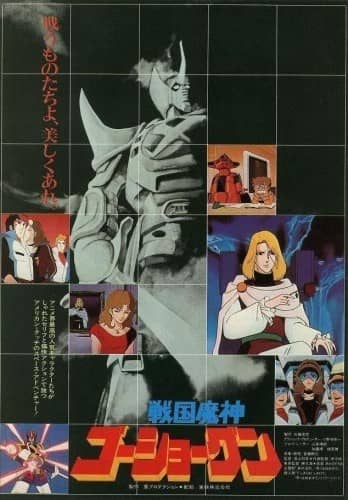
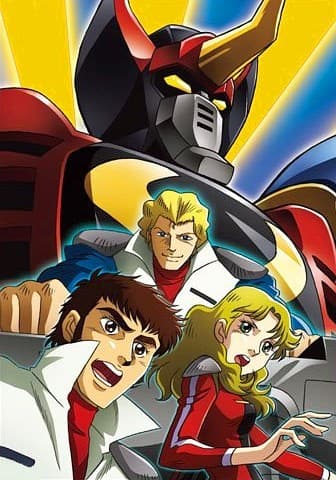
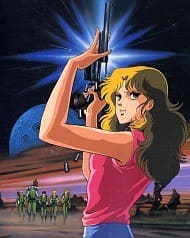
"GoShogun: The Time Étranger" is a 1985 anime film that serves as a sequel to the 1981 television series "GoShogun." The story is set several years after the events of the original series and focuses on the former members of the Good Thunder God Corps, a team of mecha pilots who once fought against the evil organization Dokuga. The narrative centers on Remy Shimada, the team's former strategist, who is now a successful businesswoman. While traveling to a business meeting, Remy is involved in a car accident that leaves her in a coma. As she lies unconscious, her mind is transported to a surreal, dreamlike world where she encounters her former teammates: Kenta, Saburo, Killy, and Mio.
In this alternate reality, the group is reunited and must navigate a series of bizarre and perilous challenges. The world they find themselves in is governed by strange rules and populated by enigmatic figures, including a mysterious woman who seems to hold the key to their escape. As they struggle to survive and make sense of their surroundings, the characters are forced to confront their pasts, their relationships, and their unresolved emotions. The narrative alternates between the dream world and the real world, where Remy's friends and colleagues anxiously await her recovery.
The film explores themes of mortality, memory, and the passage of time, as the characters grapple with the consequences of their actions and the inevitability of change. The dream world serves as a metaphor for Remy's subconscious, reflecting her fears, regrets, and desires. The interactions between the characters reveal the depth of their bonds and the impact of their shared history. As the story progresses, the line between reality and illusion becomes increasingly blurred, culminating in a poignant and thought-provoking conclusion.
"GoShogun: The Time Étranger" is notable for its mature and introspective approach, distinguishing it from the more action-oriented tone of the original series. The film delves into the psychological and emotional struggles of its characters, offering a nuanced exploration of their inner lives. The narrative is driven by a combination of suspense, mystery, and philosophical inquiry, making it a compelling and distinctive entry in the mecha genre. The film's focus on character development and its exploration of existential themes contribute to its enduring appeal and status as a cult classic.
In this alternate reality, the group is reunited and must navigate a series of bizarre and perilous challenges. The world they find themselves in is governed by strange rules and populated by enigmatic figures, including a mysterious woman who seems to hold the key to their escape. As they struggle to survive and make sense of their surroundings, the characters are forced to confront their pasts, their relationships, and their unresolved emotions. The narrative alternates between the dream world and the real world, where Remy's friends and colleagues anxiously await her recovery.
The film explores themes of mortality, memory, and the passage of time, as the characters grapple with the consequences of their actions and the inevitability of change. The dream world serves as a metaphor for Remy's subconscious, reflecting her fears, regrets, and desires. The interactions between the characters reveal the depth of their bonds and the impact of their shared history. As the story progresses, the line between reality and illusion becomes increasingly blurred, culminating in a poignant and thought-provoking conclusion.
"GoShogun: The Time Étranger" is notable for its mature and introspective approach, distinguishing it from the more action-oriented tone of the original series. The film delves into the psychological and emotional struggles of its characters, offering a nuanced exploration of their inner lives. The narrative is driven by a combination of suspense, mystery, and philosophical inquiry, making it a compelling and distinctive entry in the mecha genre. The film's focus on character development and its exploration of existential themes contribute to its enduring appeal and status as a cult classic.
Cast
Comment(s)
Staff
- DirectorKunihiko Yuyama
- Character DesignHideyuki Motohashi
- Sound DirectorNoriyoshi Matsuura
- Executive producerTatsumi Yamashita
- Screenplay
- MusicTachio Akano
- Art DirectorTorao AraiYutaka Kawasuji
- Director of PhotographySeiichi Hashitani
- ProducerHideo OgataHiroshi Katō
Production
- ProductionTokuma ShotenAshi Productions
Relations
Anime overview