
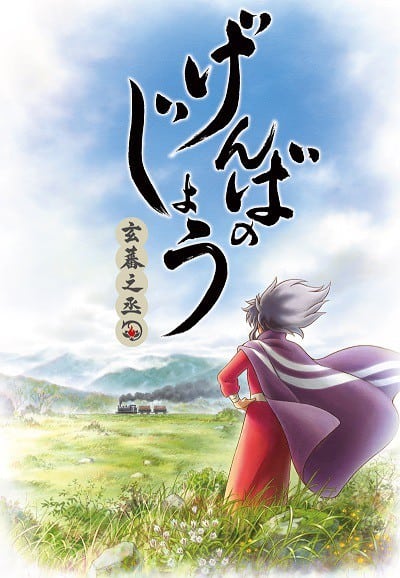
Movie
Description
"Genbanojō" is a historical drama set in the late Edo period of Japan, focusing on the life and struggles of Genbanojō, a low-ranking samurai serving the Tokugawa shogunate. The narrative explores themes of loyalty, honor, and the clash between tradition and modernity as Japan approaches the Meiji Restoration. Genbanojō, a reserved and principled man, is tasked with maintaining order in a rapidly changing society where the samurai class faces decline. His duties often bring him into conflict with both rebellious factions seeking to overthrow the shogunate and corrupt officials within his own ranks.
The story begins with Genbanojō investigating a series of assassinations targeting high-ranking officials. As he delves deeper, he uncovers a conspiracy involving foreign agents and disgruntled samurai plotting to destabilize the government. Along the way, he forms alliances with unlikely allies, including a former ronin turned informant and a skilled female spy working for a rival faction. These relationships challenge his rigid worldview and force him to confront the moral ambiguities of his role.
Genbanojō’s personal life is equally fraught with tension. His estranged younger brother, a radical reformist, becomes entangled in the conspiracy, creating a rift between duty and family loyalty. Meanwhile, Genbanojō’s growing affection for a commoner woman complicates his adherence to the strict social hierarchies of the time. The series balances these personal struggles with larger political events, such as the arrival of Western powers and the internal strife within the shogunate.
The narrative is driven by a mix of political intrigue, action, and character development. Genbanojō’s journey reflects the broader societal upheaval of the era, as he grapples with questions of identity and purpose in a world where the samurai code is increasingly irrelevant. The series concludes with a climactic confrontation that forces Genbanojō to make a definitive choice between upholding the old order or embracing the inevitability of change.
The story begins with Genbanojō investigating a series of assassinations targeting high-ranking officials. As he delves deeper, he uncovers a conspiracy involving foreign agents and disgruntled samurai plotting to destabilize the government. Along the way, he forms alliances with unlikely allies, including a former ronin turned informant and a skilled female spy working for a rival faction. These relationships challenge his rigid worldview and force him to confront the moral ambiguities of his role.
Genbanojō’s personal life is equally fraught with tension. His estranged younger brother, a radical reformist, becomes entangled in the conspiracy, creating a rift between duty and family loyalty. Meanwhile, Genbanojō’s growing affection for a commoner woman complicates his adherence to the strict social hierarchies of the time. The series balances these personal struggles with larger political events, such as the arrival of Western powers and the internal strife within the shogunate.
The narrative is driven by a mix of political intrigue, action, and character development. Genbanojō’s journey reflects the broader societal upheaval of the era, as he grapples with questions of identity and purpose in a world where the samurai code is increasingly irrelevant. The series concludes with a climactic confrontation that forces Genbanojō to make a definitive choice between upholding the old order or embracing the inevitability of change.
Cast
- O-Natsu
- Alicia VélezRuna Tamano
Comment(s)
Staff
- DirectorTakumi Dōyama
- StoryboardHirofumi NakataTakumi Dōyama
- Art DirectorKunihiko Inaba
- Sound DirectorHiroyuki Hayase
- ProducerYū Furukubo
- ScreenplayTakumi Dōyama
- MusicYasuharu TakanashiShūji Katayama
- Animation DirectorHirofumi Nakata
- Director of Photography
- Character DesignCocoro Takemoto
Production
- Animation ProductionNippon Animation