TV-Series
Description
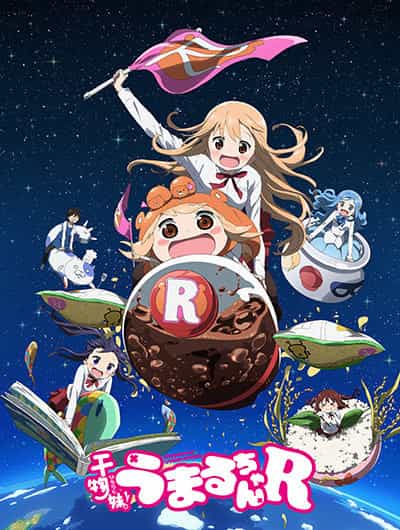
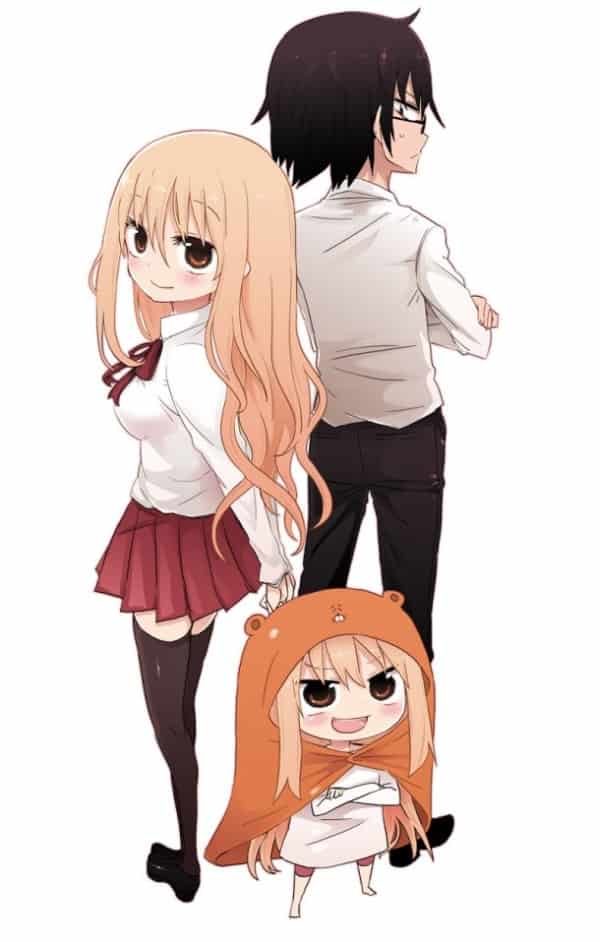
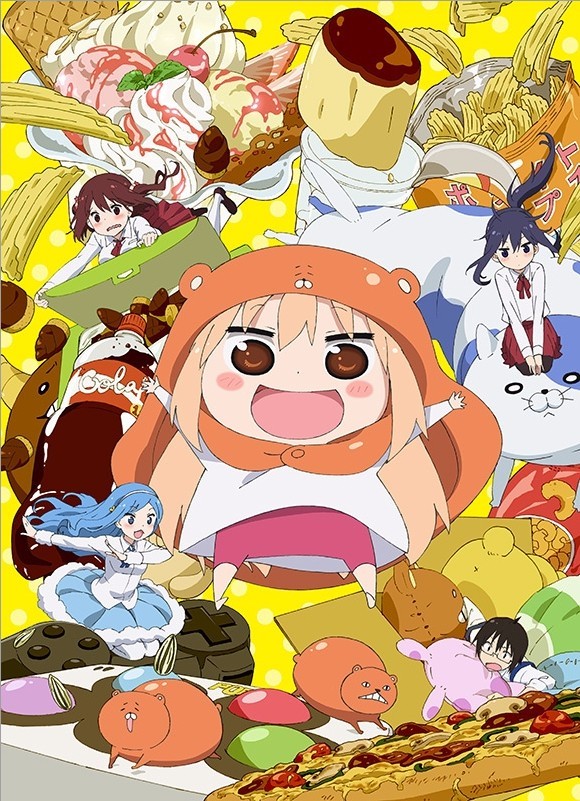
"Himōto! Umaru-chan" centers on Umaru Doma, a seemingly perfect high school girl admired by her peers for her beauty, intelligence, and athleticism. However, this polished exterior hides a starkly different reality at home, where Umaru transforms into a lazy, self-indulgent otaku who spends her time playing video games, binge-watching anime, and eating junk food. This duality forms the core of the series, exploring the contrast between her public persona and private life.
Umaru lives with her older brother, Taihei Doma, who works long hours and often finds himself catering to her whims. Despite his exasperation with her behavior, Taihei cares deeply for Umaru and supports her, even as she frequently takes advantage of his kindness. Their sibling dynamic is a recurring theme, blending humor with moments of genuine warmth.
The series introduces a cast of supporting characters who add depth to the narrative. Umaru’s classmates, including the kind and hardworking Kirie Motoba and the cheerful Ebina Nana, often interact with her in school settings, unaware of her true nature. Sylphynford Tachibana, a wealthy and competitive classmate, frequently challenges Umara, leading to comedic rivalries. Meanwhile, Umaru’s best friend, Bomber, shares her love for gaming and otaku culture, providing a rare glimpse into her more authentic self.
Episodes typically revolve around Umaru’s antics at home, her interactions with Taihei, and her attempts to maintain her dual identities. The humor often stems from her exaggerated laziness, her over-the-top reactions to minor inconveniences, and the absurdity of her otaku lifestyle. Despite the comedic tone, the series occasionally touches on themes of family, friendship, and self-acceptance, offering a balance between lighthearted entertainment and heartfelt moments.
The narrative structure is episodic, with most episodes featuring self-contained stories that highlight Umaru’s quirks and her relationships with those around her. The series maintains a consistent focus on its central premise, using Umaru’s dual life as a vehicle for both comedy and character development. Through its exploration of her contrasting personas, "Himōto! Umaru-chan" presents a humorous yet relatable portrayal of the complexities of identity and the challenges of balancing different aspects of one’s life.
Umaru lives with her older brother, Taihei Doma, who works long hours and often finds himself catering to her whims. Despite his exasperation with her behavior, Taihei cares deeply for Umaru and supports her, even as she frequently takes advantage of his kindness. Their sibling dynamic is a recurring theme, blending humor with moments of genuine warmth.
The series introduces a cast of supporting characters who add depth to the narrative. Umaru’s classmates, including the kind and hardworking Kirie Motoba and the cheerful Ebina Nana, often interact with her in school settings, unaware of her true nature. Sylphynford Tachibana, a wealthy and competitive classmate, frequently challenges Umara, leading to comedic rivalries. Meanwhile, Umaru’s best friend, Bomber, shares her love for gaming and otaku culture, providing a rare glimpse into her more authentic self.
Episodes typically revolve around Umaru’s antics at home, her interactions with Taihei, and her attempts to maintain her dual identities. The humor often stems from her exaggerated laziness, her over-the-top reactions to minor inconveniences, and the absurdity of her otaku lifestyle. Despite the comedic tone, the series occasionally touches on themes of family, friendship, and self-acceptance, offering a balance between lighthearted entertainment and heartfelt moments.
The narrative structure is episodic, with most episodes featuring self-contained stories that highlight Umaru’s quirks and her relationships with those around her. The series maintains a consistent focus on its central premise, using Umaru’s dual life as a vehicle for both comedy and character development. Through its exploration of her contrasting personas, "Himōto! Umaru-chan" presents a humorous yet relatable portrayal of the complexities of identity and the challenges of balancing different aspects of one’s life.
Episodes
Staffel 1
1Umaru and Onii-chan
2Umaru and Ebina-chan
3Umaru and Her Student
4Umaru and Her Rival
5Umaru and Summer Vacation
6Umaru's Birthday
7Umaru's Onii-chan
8Umaru and Christmas and New Year's
9Umaru and Valentine's
10Umaru and Now and Once Upon a Time
11Umaru's Day
12Umaru and Everyone
Cast
- Takeshi 'Bomber' Matoba
- Taihei Doma
- Takeshi "Bonba" Motoba
- Umaru Doma
- Sylphynford Tachibana
- Hazel Hernan
Comment(s)
Staff
- DirectorMasahiko Ōta
- Script
- Episode DirectorTakaharu ŌkumaMasahiko ŌtaKiyoshi FukumotoKenichi ImaizumiKaoru YabanaToshikatsu TokoroGeisei MoritaShōgo AraiTatsuya Nokimori
- Original creator
- Art DirectorYuki Ikenoue
- Animation DirectorYasuyuki NodaToshimitsu KobayashiHiroyuki OguraYukio OkanoHideaki ShimadaMiyako YatsuKumiko TakayanagiTatsuya IkedaHiromi NakagawaShinya OjiriTeruhiko YamazakiMayumi HidakaKatsuyuki SatoHiroshi HouriTakashi KawashimaMasahito OnodaNoritaka TateguchiShūji MaruyamaTomoyuki MatsumotoNobuyuki MitaniFuyumi ToriyamaKeiko IchiharaMasashi KanouKazumi OnoNatsuko FujiwaraShiori ShirazakiSaori SakiguchiTsubasa ItoManamu AmasakiYuuko IkezoeRyūta UraTomoko TsujiTakashi NaoyaKatsuhiro KumagaiYuki FukudaMai WatanabeMegumi YoshimuraKanako YoshidaYuki YabutaMasaya SekizakiKonomi SatōYurika SomeyaShōsuke ShimizuMinori HomuraYūji KondōYūki Nakano
- ProducerTetsuto MotoyasuKatsuhiro Takei
- Series CompositionTakashi Aoshima
- StoryboardKazuhiro OzawaTakaharu ŌkumaMasahiko ŌtaHiroaki ShimuraKenichi ImaizumiTakenori Mihara
- MusicYasuhiro Misawa
- Character DesignAya Takano
- Chief Animation DirectorHiromi NakagawaAya Takano
- Sound DirectorYasunori Ebina
Production
- Animation ProductionDōga Kōbō