
TV-Series
Description
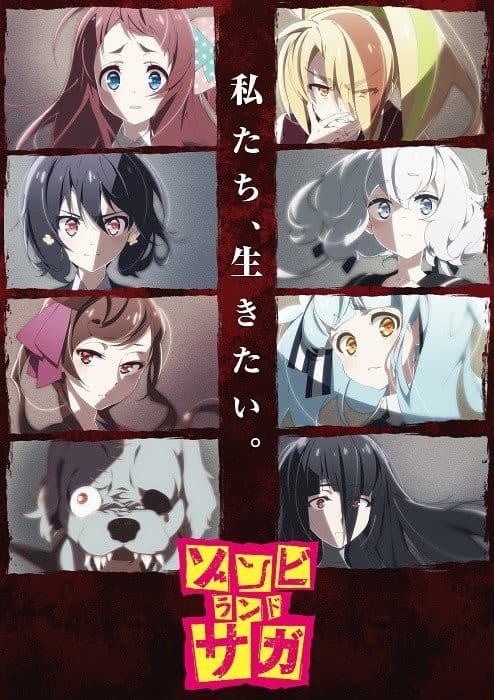
"Zombie Land Saga" is a unique blend of idol culture, comedy, and supernatural elements set in the fictional Saga Prefecture of Japan. The story begins with Sakura Minamoto, a high school girl who dreams of becoming an idol, tragically dying in a traffic accident. She awakens years later in a decrepit mansion, only to discover she has been resurrected as a zombie alongside six other girls from different eras of Japanese history. The group is brought together by a mysterious man named Kotaro Tatsumi, who declares himself their manager and tasks them with saving Saga Prefecture by becoming a legendary idol group known as Franchouchou.
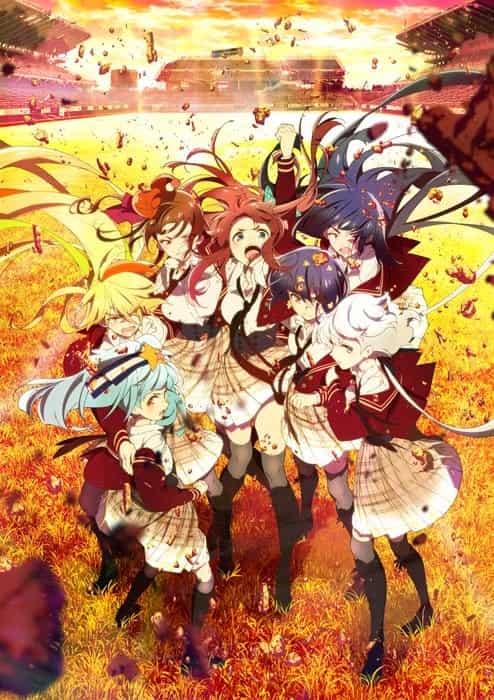
Each member of Franchouchou has a distinct personality and backstory. Sakura, the protagonist, is earnest but struggles with self-doubt. Saki Nikaido, a former biker gang leader from the 1990s, is brash and confident. Ai Mizuno, a former top idol from the 2000s, is initially aloof but deeply committed to her craft. Junko Konno, a 1980s idol, grapples with adapting to modern idol culture. Yugiri, a courtesan from the Meiji era, brings a calm and mature presence. Lily Hoshikawa, a child actor from the 2010s, is energetic and optimistic, while Tae Yamada, a mysterious figure with no clear memory of her past, adds an unpredictable dynamic to the group.
The series follows Franchouchou’s journey as they navigate the challenges of being undead idols. They perform in unconventional venues, such as abandoned shopping malls and rural festivals, while hiding their zombie identities from the public. Their performances often involve chaotic mishaps, such as limbs falling off or makeup melting, which they must creatively cover up. Despite these obstacles, the group gradually gains a following and begins to make a positive impact on Saga’s struggling economy.
Throughout the series, the characters’ personal struggles and past lives are explored. Sakura’s journey to regain her memories and confidence forms a central narrative thread, while other members confront their unresolved regrets and traumas. Kotaro’s motivations and the origins of the zombie resurrection remain shrouded in mystery, adding an element of intrigue to the story. The series balances humor, emotional depth, and absurdity, often breaking the fourth wall and parodying idol tropes.
"Zombie Land Saga" combines its supernatural premise with themes of perseverance, redemption, and the power of community. The narrative emphasizes the importance of embracing one’s flaws and finding purpose in unexpected circumstances. The series also highlights the cultural and economic challenges faced by rural areas in Japan, using the idol group’s efforts as a metaphor for revitalization. With its eccentric characters, unpredictable plot twists, and heartfelt moments, "Zombie Land Saga" offers a fresh take on both the idol and zombie genres.
Each member of Franchouchou has a distinct personality and backstory. Sakura, the protagonist, is earnest but struggles with self-doubt. Saki Nikaido, a former biker gang leader from the 1990s, is brash and confident. Ai Mizuno, a former top idol from the 2000s, is initially aloof but deeply committed to her craft. Junko Konno, a 1980s idol, grapples with adapting to modern idol culture. Yugiri, a courtesan from the Meiji era, brings a calm and mature presence. Lily Hoshikawa, a child actor from the 2010s, is energetic and optimistic, while Tae Yamada, a mysterious figure with no clear memory of her past, adds an unpredictable dynamic to the group.
The series follows Franchouchou’s journey as they navigate the challenges of being undead idols. They perform in unconventional venues, such as abandoned shopping malls and rural festivals, while hiding their zombie identities from the public. Their performances often involve chaotic mishaps, such as limbs falling off or makeup melting, which they must creatively cover up. Despite these obstacles, the group gradually gains a following and begins to make a positive impact on Saga’s struggling economy.
Throughout the series, the characters’ personal struggles and past lives are explored. Sakura’s journey to regain her memories and confidence forms a central narrative thread, while other members confront their unresolved regrets and traumas. Kotaro’s motivations and the origins of the zombie resurrection remain shrouded in mystery, adding an element of intrigue to the story. The series balances humor, emotional depth, and absurdity, often breaking the fourth wall and parodying idol tropes.
"Zombie Land Saga" combines its supernatural premise with themes of perseverance, redemption, and the power of community. The narrative emphasizes the importance of embracing one’s flaws and finding purpose in unexpected circumstances. The series also highlights the cultural and economic challenges faced by rural areas in Japan, using the idol group’s efforts as a metaphor for revitalization. With its eccentric characters, unpredictable plot twists, and heartfelt moments, "Zombie Land Saga" offers a fresh take on both the idol and zombie genres.
Episodes
Staffel 1
1Good Morning Saga
2I Love Hip Hop Saga
3Dead or Live Saga
4Warming Dead Saga
5The Nice Bird Saga in Your Heart
6Because It`s Sentimental Saga
7But It`s Zombiemental Saga
8Go Go Neverland Saga
9Though My Life May Have Ended Once by Some Twist of Fate I Have Risen, and If Song and Dance Are to Be My Fate, Then Carrying the Memories of My Comrades in My Heart As I Sally Forth Shall Be My Saga
10No Zombie No Idol Saga
11A One-of-a-Kind Saga
12Good Morning Again Saga
Cast
- Sakura Minamoto
- Junko Konno
- Saki Nikaidō
Comment(s)
Staff
- DirectorMunehisa Sakai
- ScriptShigeru Murakoshi
- Episode DirectorKōnosuke UdaMunehisa SakaiHisatoshi ShimizuYasunori GotōTatsufumi ItōTakafumi IshidaTakeru Satō
- MusicYasuharu Takanashi
- Art DirectorKazuo Ogura
- Animation DirectorMariko OkaMiwa ŌshimaTomoaki KadoYōko KōjōMikine KuwabaraYoshito NarimatsuKazuyuki IkaiMariko KawamotoShinichi WadaRyuuta YanagiSung Hoo ParkManabu NiiTsuyoshi KuwaharaTakahiro SasakiMasayo MatsumotoMari FutamatsuKenji KodamaSaori HosodaKasumi FukagawaRin Riku
- Cgi DirectorKōhei Iwasaki
- Producer
- Series CompositionShigeru Murakoshi
- StoryboardKōnosuke UdaSung Hoo ParkMunehisa SakaiHisatoshi ShimizuYasunori GotōTatsufumi ItōTakafumi IshidaTakeru Satō
- Unit DirectorSung Hoo ParkMunehisa Sakai
- Character DesignKasumi Fukagawa
- Chief Animation DirectorFumihide SaiMikine KuwabaraKasumi Fukagawa
- Sound DirectorMunehisa Sakai
- Director of PhotographyTakashi Yanagida
Production
- ProductionAT-XAvex PicturesMAPPACygamesCyberAgent
- Animation ProductionMAPPA
Relations
Music
Insert songs
Ep. 6-7, 12