
Movie
Description
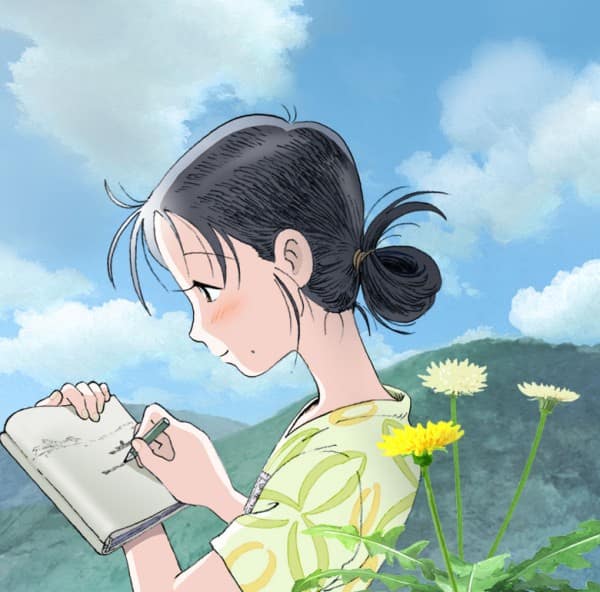
"In This Corner of the World" is set in Japan during the 1930s and 1940s, primarily focusing on the years leading up to and during World War II. The narrative centers on Suzu Urano, a young woman from the small town of Eba near Hiroshima, known for her artistic talent and daydreaming nature. In 1944, Suzu marries Shusaku Hojo, a clerk from the nearby city of Kure, and moves in with his family. The story unfolds through Suzu’s perspective as she adapts to her new life, navigating the challenges of wartime rationing, familial responsibilities, and the emotional toll of living in a militarized society.
Suzu’s daily life is marked by her efforts to care for her husband’s family, including his parents, younger sister Sumi, and a young niece, Harumi. Despite the hardships, Suzu finds solace in her creativity, often sketching and painting the world around her. The war gradually encroaches on their lives, with air raids, food shortages, and the constant threat of bombings becoming a grim reality. The narrative captures the resilience and ingenuity of civilians during this period, as Suzu and her family find ways to survive and maintain a semblance of normalcy.
A pivotal moment occurs when Suzu and Harumi are caught in an explosion during an air raid, resulting in Harumi’s death and Suzu losing her dominant hand. This tragedy deeply affects Suzu, forcing her to confront her grief and adapt to her new limitations. The war’s impact intensifies as the atomic bomb is dropped on Hiroshima, devastating the region and further altering Suzu’s life. Despite the overwhelming loss and destruction, the story emphasizes the enduring human spirit, as Suzu and her family strive to rebuild and find hope amid the ruins.
The characters are portrayed with depth and nuance, reflecting the complexities of life during wartime. Suzu’s growth from a carefree young woman to a resilient survivor forms the emotional core of the narrative. Shusaku, though often absent due to his work, provides a steady presence, while the supporting characters, such as Sumi and Suzu’s childhood friend Tetsu, add layers to the story’s exploration of family, community, and perseverance. The anime’s historical context is meticulously woven into the personal experiences of its characters, offering a poignant depiction of civilian life during one of history’s most tumultuous periods.
Suzu’s daily life is marked by her efforts to care for her husband’s family, including his parents, younger sister Sumi, and a young niece, Harumi. Despite the hardships, Suzu finds solace in her creativity, often sketching and painting the world around her. The war gradually encroaches on their lives, with air raids, food shortages, and the constant threat of bombings becoming a grim reality. The narrative captures the resilience and ingenuity of civilians during this period, as Suzu and her family find ways to survive and maintain a semblance of normalcy.
A pivotal moment occurs when Suzu and Harumi are caught in an explosion during an air raid, resulting in Harumi’s death and Suzu losing her dominant hand. This tragedy deeply affects Suzu, forcing her to confront her grief and adapt to her new limitations. The war’s impact intensifies as the atomic bomb is dropped on Hiroshima, devastating the region and further altering Suzu’s life. Despite the overwhelming loss and destruction, the story emphasizes the enduring human spirit, as Suzu and her family strive to rebuild and find hope amid the ruins.
The characters are portrayed with depth and nuance, reflecting the complexities of life during wartime. Suzu’s growth from a carefree young woman to a resilient survivor forms the emotional core of the narrative. Shusaku, though often absent due to his work, provides a steady presence, while the supporting characters, such as Sumi and Suzu’s childhood friend Tetsu, add layers to the story’s exploration of family, community, and perseverance. The anime’s historical context is meticulously woven into the personal experiences of its characters, offering a poignant depiction of civilian life during one of history’s most tumultuous periods.
Cast
- Eduardo Menez
- Ana SotoMartina BebiNatsuki Inaba
- Roberto Certomà
Comment(s)
Staff
- Director
- Musickotringo
- Character DesignHidenori Matsubara
- Chief Animation DirectorHidenori Matsubara
- Sound Director
- ProducerTarō Maki
- Screenplay
- Original creator
- Art DirectorKōsuke Hayashi
- Animation DirectorHidenori MatsubaraRiwako MatsuiKazutaka OzakiKumiko KawanaAkiko AsakiShigeru KimishimaYasuyuki KitazawaTetsurō KaraiNatsuko ShimizuTaiki ImamuraMoe UsamiNoriko ItōYoshinori Kanemori
- Director of PhotographyYūya Kumazawa
Production
- ProductionAT-XMAPPACygamesFutabashaGENCOBandai VisualTokyo TheatresTBS Radio & Communications, Inc.The Asahi Shimbun CompanyTohokushinsha Film CorporationTokyo Color Photo WingsMAQ
- Animation ProductionMAPPA
Relations
Anime overview
Music