TV-Series
Description
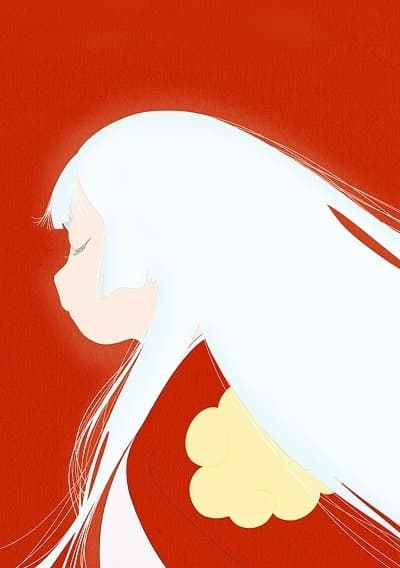
"The Heike Story" is an anime adaptation of the classic Japanese epic "The Tale of the Heike," which chronicles the rise and fall of the Taira (Heike) clan during the late Heian period. The narrative is framed through the perspective of Biwa, a young orphaned girl gifted with the ability to foresee the future. Biwa becomes a servant to Taira no Shigemori, the virtuous and conflicted heir of the Heike clan, and her visions gradually reveal the tragic fate awaiting the clan.
The story begins with the Heike clan at the height of its power, having risen to dominance under the leadership of Taira no Kiyomori, Shigemori's father. Kiyomori's ruthless ambition and political maneuvering secure the clan's control over the imperial court, but his actions sow the seeds of resentment among rival factions, particularly the Minamoto (Genji) clan. Shigemori, in contrast to his father, is portrayed as a man of integrity and moral conviction, deeply troubled by the violence and corruption that accompany the Heike's ascent. His internal conflict and attempts to temper his father's excesses form a central thread of the narrative.
As the Heike's power grows, so does the tension within the clan and with their enemies. Biwa's visions foretell the inevitable downfall of the Heike, marked by betrayal, internal strife, and the resurgence of the Genji. Key events, such as the death of Emperor Takakura, the exile of the young Emperor Antoku, and the escalating conflict between the Heike and Genji, are depicted with a focus on their human cost. The series emphasizes the personal struggles of its characters, including Shigemori's efforts to reconcile his ideals with the harsh realities of power, Kiyomori's descent into paranoia and tyranny, and Biwa's growing awareness of her role in witnessing and preserving the clan's legacy.
The narrative builds toward the climactic Genpei War, a brutal conflict that culminates in the Heike's defeat at the Battle of Dan-no-ura. The final episodes depict the tragic fate of the Heike, including the death of Kiyomori, the drowning of Emperor Antoku, and the scattering of the surviving clan members. Biwa, now a wandering storyteller, carries the memories of the Heike's rise and fall, ensuring that their story endures as a cautionary tale of ambition, hubris, and the impermanence of power.
The series balances historical events with intimate character-driven moments, exploring themes of loyalty, fate, and the cyclical nature of history. Through its portrayal of the Heike's decline, "The Heike Story" offers a poignant reflection on the human condition and the enduring impact of storytelling.
The story begins with the Heike clan at the height of its power, having risen to dominance under the leadership of Taira no Kiyomori, Shigemori's father. Kiyomori's ruthless ambition and political maneuvering secure the clan's control over the imperial court, but his actions sow the seeds of resentment among rival factions, particularly the Minamoto (Genji) clan. Shigemori, in contrast to his father, is portrayed as a man of integrity and moral conviction, deeply troubled by the violence and corruption that accompany the Heike's ascent. His internal conflict and attempts to temper his father's excesses form a central thread of the narrative.
As the Heike's power grows, so does the tension within the clan and with their enemies. Biwa's visions foretell the inevitable downfall of the Heike, marked by betrayal, internal strife, and the resurgence of the Genji. Key events, such as the death of Emperor Takakura, the exile of the young Emperor Antoku, and the escalating conflict between the Heike and Genji, are depicted with a focus on their human cost. The series emphasizes the personal struggles of its characters, including Shigemori's efforts to reconcile his ideals with the harsh realities of power, Kiyomori's descent into paranoia and tyranny, and Biwa's growing awareness of her role in witnessing and preserving the clan's legacy.
The narrative builds toward the climactic Genpei War, a brutal conflict that culminates in the Heike's defeat at the Battle of Dan-no-ura. The final episodes depict the tragic fate of the Heike, including the death of Kiyomori, the drowning of Emperor Antoku, and the scattering of the surviving clan members. Biwa, now a wandering storyteller, carries the memories of the Heike's rise and fall, ensuring that their story endures as a cautionary tale of ambition, hubris, and the impermanence of power.
The series balances historical events with intimate character-driven moments, exploring themes of loyalty, fate, and the cyclical nature of history. Through its portrayal of the Heike's decline, "The Heike Story" offers a poignant reflection on the human condition and the enduring impact of storytelling.
Cast
- Taira no Atsumori
- Minamoto no Yoshitsune
- Tokiko
- Masako Hojo
- Hōjō Masako
Comment(s)
Staff
- DirectorNaoko Yamada
- ScriptReiko Yoshida
- Episode DirectorNaoko YamadaRyohei TakeshitaTakakazu NagatomoChinaShuntarō TozawaFūga YamashiroYoshie EzakiMokochan
- Musickensuke ushio
- Original Character DesignFumiko Takano
- Art DirectorTomotaka Kubo
- Animation DirectorTōru YoshidaGen TakaseYumi HorieTakashi KojimaIppei IchiiYoshiko SaitōSachiko OniwaRika ŌtaAya NasunoSeiichi AkitakeNoriyuki ImaokaYuuko SatoYuko TagawaKe Wei LinToko UchimuraSanae SatōYuya UetakeHisato KitadaShinobu IkakkoShō HiranoChiharu MukaiKanae MiyaAsami MurakoshiYoshie EzakiMokochan
- Sound DirectorEriko Kimura
- Executive producerSadakazu KikuchiKazuhiko YusaAtsushi HigashiyamaEunyoung ChoiYasushi OgawaYasushi KuwataYang Fan Gao
- Series CompositionReiko Yoshida
- Storyboard
- Unit DirectorNaoko Yamada
- Original creator
- Character DesignTakashi Kojima
- Chief Animation DirectorTakashi Kojima
- ÜbersetzungPatrick Spellman
- Director of PhotographyKazuto Izumita
- ProducerShinichi NakamuraFumie TakeuchiNoriko OzakiEunyoung ChoiMayo Arita
Production
- ProductionPony CanyonBS FujiScience SARUbilibiliAsmik Ace, Inc.Fuji Television NetworkDentsu Inc.
- Animation ProductionScience SARU
Relations
Recommendations based on shared tags.