ONA
Description
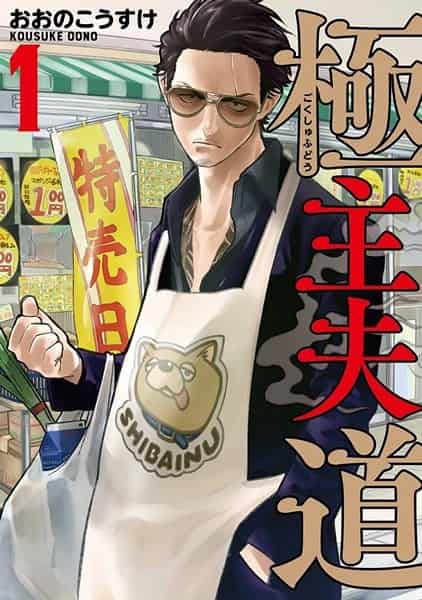
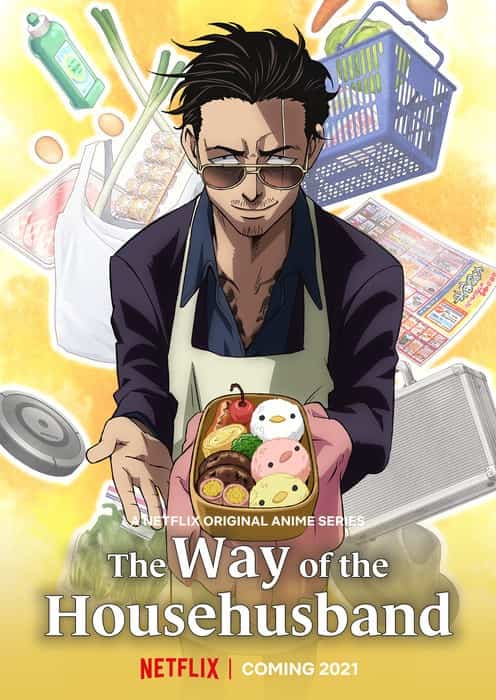
"The Way of the Househusband" centers on Tatsu, a former legendary yakuza boss known as "The Immortal Dragon," who retires from the criminal underworld to become a full-time homemaker. Tatsu’s life takes a dramatic turn as he dedicates himself to supporting his wife, Miku, a career-driven designer, by managing household chores with the same intensity and precision he once applied to his yakuza activities. The series juxtaposes Tatsu’s intimidating demeanor and past with his mundane yet meticulous approach to domestic tasks, creating a humorous contrast.
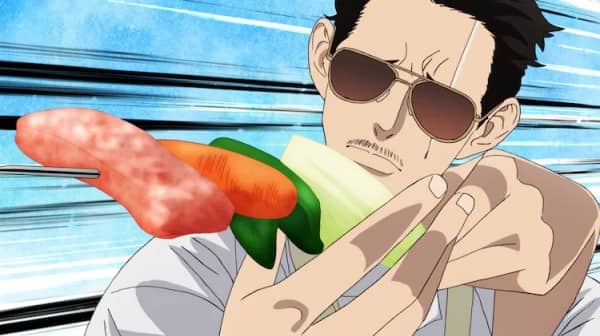
The narrative unfolds through episodic vignettes, each highlighting Tatsu’s unique perspective on everyday activities such as grocery shopping, cooking, and cleaning. His unwavering dedication to perfection and his tendency to apply yakuza-like strategies to household challenges often lead to comedic misunderstandings. Despite his fearsome appearance and past, Tatsu is deeply devoted to Miku and strives to create a peaceful home life, though his former associates and rivals occasionally disrupt his domestic routine.
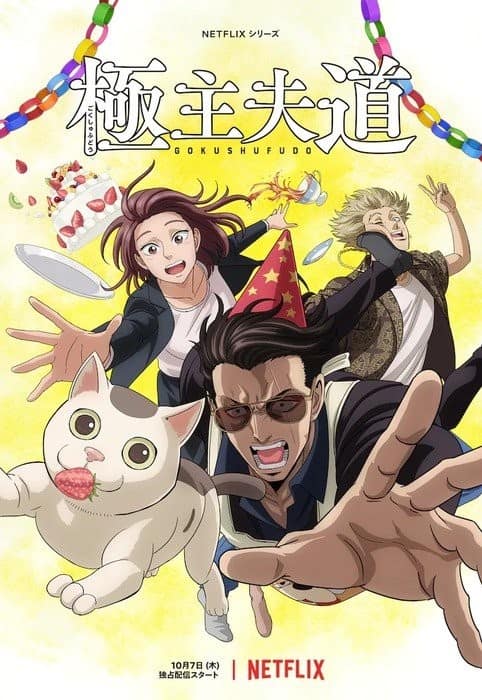
Supporting characters include Miku, who is supportive of Tatsu’s transition but occasionally bewildered by his over-the-top methods, and Tatsu’s former yakuza colleagues, who frequently cross paths with him, often seeking his help or challenging his new lifestyle. The series balances humor with moments of sincerity, showcasing Tatsu’s growth as he navigates the complexities of domesticity while occasionally drawing on his yakuza skills to resolve conflicts.
The episodic structure allows for a lighthearted exploration of themes such as identity, adaptation, and the value of domestic labor, all while maintaining a comedic tone. Tatsu’s journey as a househusband is both a parody of traditional gender roles and a celebration of his commitment to his new life, offering a fresh take on the slice-of-life genre.
The narrative unfolds through episodic vignettes, each highlighting Tatsu’s unique perspective on everyday activities such as grocery shopping, cooking, and cleaning. His unwavering dedication to perfection and his tendency to apply yakuza-like strategies to household challenges often lead to comedic misunderstandings. Despite his fearsome appearance and past, Tatsu is deeply devoted to Miku and strives to create a peaceful home life, though his former associates and rivals occasionally disrupt his domestic routine.
Supporting characters include Miku, who is supportive of Tatsu’s transition but occasionally bewildered by his over-the-top methods, and Tatsu’s former yakuza colleagues, who frequently cross paths with him, often seeking his help or challenging his new lifestyle. The series balances humor with moments of sincerity, showcasing Tatsu’s growth as he navigates the complexities of domesticity while occasionally drawing on his yakuza skills to resolve conflicts.
The episodic structure allows for a lighthearted exploration of themes such as identity, adaptation, and the value of domestic labor, all while maintaining a comedic tone. Tatsu’s journey as a househusband is both a parody of traditional gender roles and a celebration of his commitment to his new life, offering a fresh take on the slice-of-life genre.
Cast
- Jennifer WeißFabiola Bittarello
- Torajirō
- Ryota
- Kunimi
- César Emílio
- Sebastian Kluckert
- Miku's Mother
- Raúl Solo
Comment(s)
Staff
- DirectorChiaki Kon
- ScreenplaySusumu Yamakawa
- Episode DirectorChiaki Kon
- Director of PhotographyYurina Yagi
- Series CompositionSusumu Yamakawa
- StoryboardChiaki KonYurina Yagi
- Unit DirectorChiaki KonYurina Yagi
- Original creator
Production
- Animation ProductionJ.C. Staff
- ProductionShinchosha
Relations
Anime overview
Manga overview