TV-Series
Description
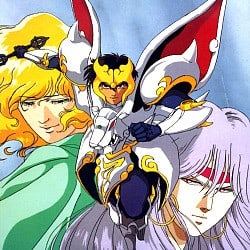
"Tenkū Senki Shurato" is a 38-episode anime series that blends elements of mythology, fantasy, and action. The story centers on Shurato, a high school student and martial artist who is unexpectedly transported from modern-day Japan to the celestial realm of Heaven's Realm, or Tenkai. In this otherworldly dimension, Shurato discovers that he is the reincarnation of Vishnu, one of the eight guardians known as the Ashura Gods, who are tasked with protecting the realm.
Upon arriving in Tenkai, Shurato is joined by his childhood friend, Gai, who is revealed to be the reincarnation of another Ashura God, Ryoma. The two are drawn into a conflict involving the ruling deity Indra, who seeks to consolidate power and control over Heaven's Realm. Indra's forces, led by the ruthless Ashura God Sasha, oppose Shurato and his allies, leading to a series of battles that test their strength, loyalty, and resolve.
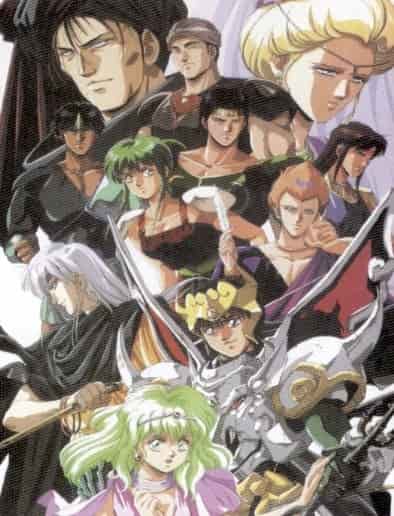
As the story progresses, Shurato and Gai gather other reincarnated Ashura Gods, including Lakshu, Renge, and Karura-ou, each possessing unique abilities tied to their divine heritage. Together, they form a resistance against Indra's tyranny, uncovering secrets about their past lives and the true nature of Heaven's Realm. The narrative explores themes of destiny, friendship, and the struggle between good and evil, as Shurato grapples with his role as a protector and the weight of his divine responsibilities.
The series is structured around episodic battles and character development, with each Ashura God confronting personal challenges and moral dilemmas. Shurato's journey is marked by his growth from an ordinary teenager to a determined leader, driven by a desire to restore balance and justice to Tenkai. The climax of the story involves a final confrontation with Indra, revealing the deeper motivations behind his actions and the consequences of his rule.
"Tenkū Senki Shurato" incorporates elements of Hindu and Buddhist mythology, reimagining deities and celestial beings within a fantastical framework. The series balances action-packed sequences with moments of introspection, as characters navigate their dual identities as both humans and gods. The narrative concludes with a resolution that ties together the fates of the Ashura Gods and the future of Heaven's Realm, leaving a lasting impact on its characters and the world they inhabit.
Upon arriving in Tenkai, Shurato is joined by his childhood friend, Gai, who is revealed to be the reincarnation of another Ashura God, Ryoma. The two are drawn into a conflict involving the ruling deity Indra, who seeks to consolidate power and control over Heaven's Realm. Indra's forces, led by the ruthless Ashura God Sasha, oppose Shurato and his allies, leading to a series of battles that test their strength, loyalty, and resolve.
As the story progresses, Shurato and Gai gather other reincarnated Ashura Gods, including Lakshu, Renge, and Karura-ou, each possessing unique abilities tied to their divine heritage. Together, they form a resistance against Indra's tyranny, uncovering secrets about their past lives and the true nature of Heaven's Realm. The narrative explores themes of destiny, friendship, and the struggle between good and evil, as Shurato grapples with his role as a protector and the weight of his divine responsibilities.
The series is structured around episodic battles and character development, with each Ashura God confronting personal challenges and moral dilemmas. Shurato's journey is marked by his growth from an ordinary teenager to a determined leader, driven by a desire to restore balance and justice to Tenkai. The climax of the story involves a final confrontation with Indra, revealing the deeper motivations behind his actions and the consequences of his rule.
"Tenkū Senki Shurato" incorporates elements of Hindu and Buddhist mythology, reimagining deities and celestial beings within a fantastical framework. The series balances action-packed sequences with moments of introspection, as characters navigate their dual identities as both humans and gods. The narrative concludes with a resolution that ties together the fates of the Ashura Gods and the future of Heaven's Realm, leaving a lasting impact on its characters and the world they inhabit.
Episodes
Staffel 1
1Om Shura Sowaka!
2The Great Conspiracy
3Ryu-Oh Ryouma's Challenge
4An Explosion!? Awake, Sohma!
5Feathers, Tell me the Truth!
6The Fight of Love and Sadness
7Break the Trap of Moonlight Cavern!
8Hurry! The Road to Tenkuuju
9Battle! Awaken the Holy Light!
10Gai's Fierce Attack! The Unending Fight to the Death
11Renge, Tragic Warrior of Love
12Fierce Battle! A Friend Found Among Tears
13Sudden Change! The Beast King Mandala
14At the Limits of Love and Hatred
15The Terrible Juuga Sanninshu
16A Desperate Cry! Come back, Lakshu!
17A Sorceress! The Terror of the Red Flowers
18Find the Lost Time!
19A Tearful Resolution! Goodbye, Earth!
20Stolen Techniques
21Terror! The Combination Shakti
22Ryoma's Final Attack
23A Storm at Tenkuuden
24Farewell, Raitei Indrah
25A Sad Destiny! Shurato vs. Gai
26A New Enemy, the Asura Army!
27Find the Ultimate Shakti!
28Dark Destiny! Gai Returns
29Reiga's Desperate Counterattack!
30The Loneliness of the Chosen One
31Burn! Sohma of Friendship
32The Brahma Shakti is Discovered!
33Good or Evil!? The Creation God Brahma's Choice
34The Final Battle! The Fist of Hatred
35The Future! Through the Deep Darkness
36An Urgent Message! The Last Battle!
37Smash the Charm-Water, the Shadow that Attacks Tenkuukai!
38Be Forever, Shura-Oh!
Cast
- Luis Pérez Pons
- Ivette García
- Moisés Ramos
- Trylo
- Jesús Seijas
- Santera (2nd voice)
- AnteraFramk Maneiro
- Eduardo Bastidas
- Astree
- Narration
- KaliJosé Parisi Jr.
- Mariti
- Stelius
- Luis Pérez Pons
- Sati (2ª voz)
- Ryoma
- Matsuri
- Eduardo Rodríguez
- KundariPaul Gillman
- HailahFrank Carip
- Santera (1st voice)Gladys Yáñez
- Cyrielle
- Dannoc
- Ryū-Ō Ryōma
- TakushakaJosé Parisi Jr.
Comment(s)
Staff
- Series DirectorToshihiko Nishikubo
- Script
- Episode DirectorTakao KatoKoji MasunariMizuho NishikuboHomeo KatoYoshihisa MatsumotoHideki TonokazuKazuhiro MoriNobuji TakahashiNobuyoshi AndouYoshinori NakamuraSatoshi OkadaSei MurayamaNaoki YamaguchiSeizo TsuyudaMitsuru SuzukiNaoki AikaNaoyoshi KusakaNobuetsu AndōYoshizō TsudaShinji TakahashiTakeshi KabumotoKeisuke TateishiTadayuki UdaYuji NakataMasaru YaguchiKiyoshi MurayamaYasuji Watanabe
- Original creatorGoh Mihara
- Art DirectorTorao Arai
- Animation DirectorKazuchika KiseMasashi HirotaMasami SudaNobuyoshi HabaraMasaki KudōYutaka KawasujiMitsuru SuzukiMichitaka KikuchiEiji SuganumaSatoshi HorisawaKanji NishidaKatsuji MatsumotoNobuetsu AndōMiyuki NonakaMasaki NakaoSeiji YuiJuzo KaminakaNaomi KubotaMachio NishiyakuraKotobuki EbiKenichi Hamazaki
- Sound Director
- Executive producer
- Series CompositionTakao KoyamaMayori Sekijima
- StoryboardHidehito UedaMizuho NishikuboYoshihisa MatsumotoKazuhiro MoriNaoki YamaguchiYoriyasu KogawaNaoyoshi KusakaNobuetsu AndōKeisuke TateishiYuji NakataTsurukazu OdaMasaru YaguchiJutarō Ōba
- MusicHiroya Watanabe
- Character DesignMatsuri Okuda
- Mechanical designShin Matsuo
- Director of PhotographyTakeshi Fukuda
- Producer
Production
- ProductionSotsu Co., Ltd.Tatsunoko ProductionTV Tokyo
Relations
Anime overview