TV-Series
Description
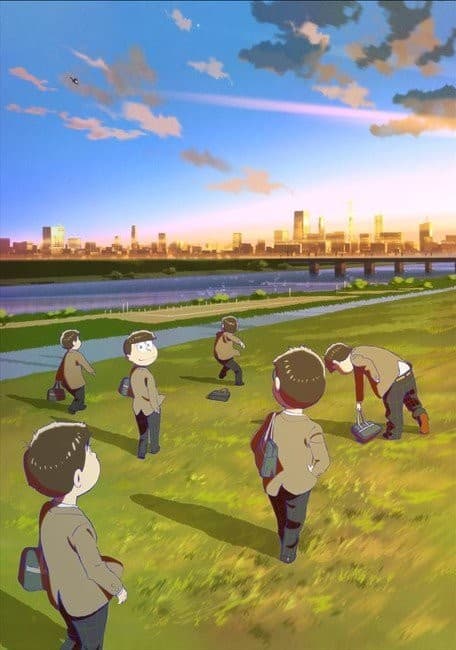
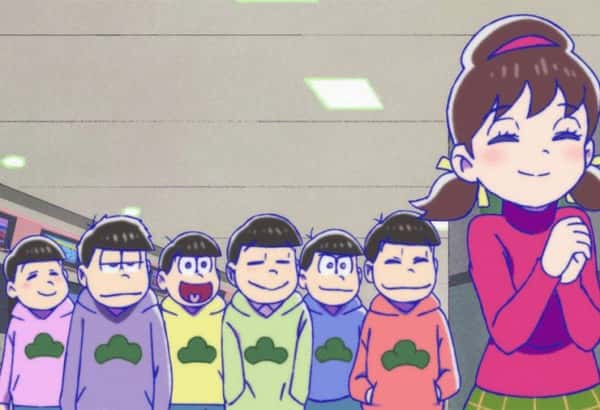
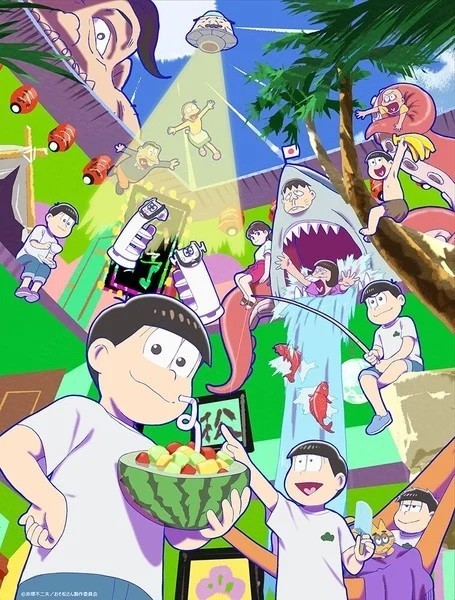
The Matsuno household is home to six identical sextuplets in their twenties: Osomatsu, Karamatsu, Choromatsu, Ichimatsu, Jyushimatsu, and Todomatsu. While they were mischievous but lovable grade schoolers in the Showa period, the modern-day brothers have failed to launch into productive adulthood. All six are lazy NEETs (Not in Education, Employment, or Training) who still live with their increasingly exasperated parents, spending their days mooching allowance money, scheming for quick cash, and getting into absurd arguments over trivial matters like how to split a pastry.
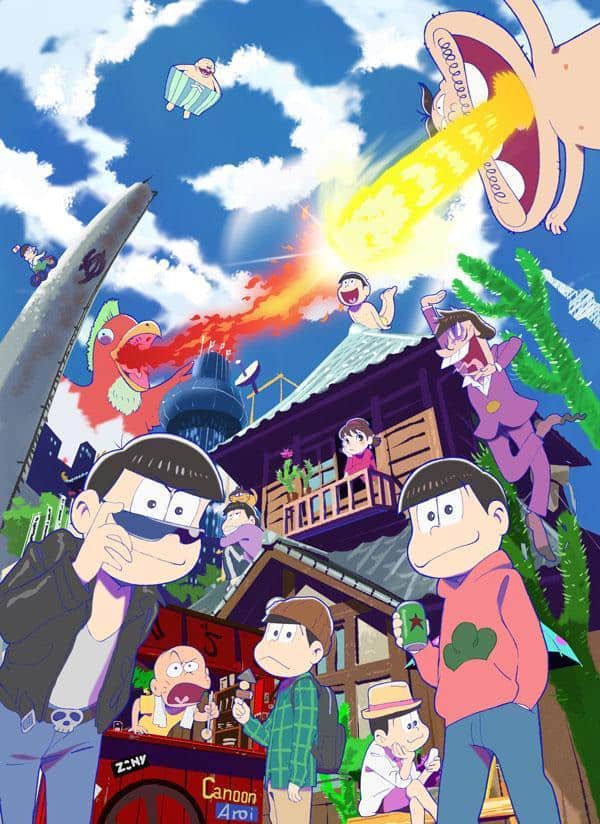
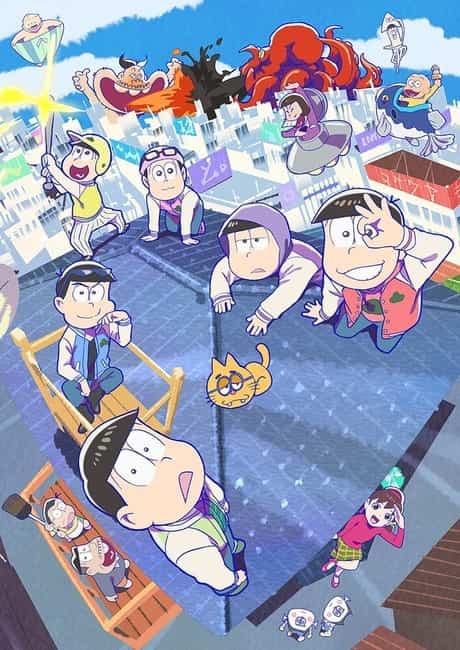
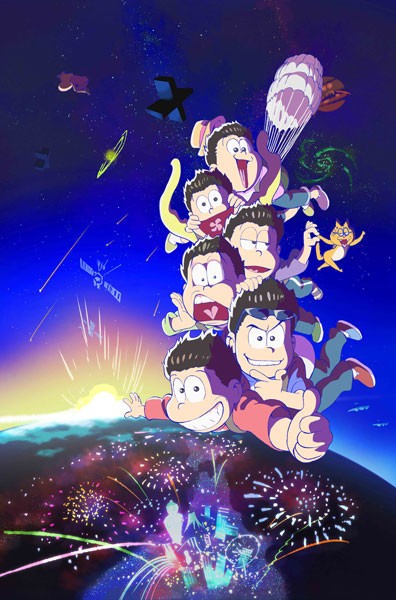
The series is set in a contemporary Japan that the brothers struggle to navigate, though their specific town retains a somewhat nostalgic, everyday atmosphere. Each brother shares the same face but possesses a distinct personality that drives the comedy. Osomatsu is the selfish, gambling-addicted eldest who appoints himself the leader. Karamatsu is a delusional, self-styled cool guy with painfully dramatic tendencies. Choromatsu is the neurotic straight man and voice of reason who is secretly an obsessive idol fan. Ichimatsu is a cynical, anti-social loner with a soft spot for stray cats. Jyushimatsu is an inexplicably hyperactive and joyful oddball whose energy defies the laws of physics. Todomatsu is the youngest and most superficially charming, using his cuteness to manipulate others while being secretly two-faced.
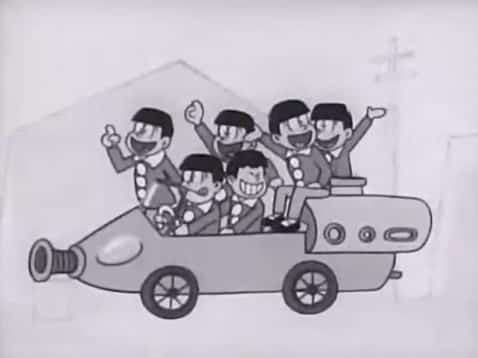
The narrative is not a linear story but an episodic series of rapid-fire sketch comedies, similar in structure to a variety show. Each full-length episode is broken into several segments that drop the brothers into a wide range of scenarios, from mundane struggles like job hunting and dating to wildly absurd adventures involving murder mysteries, historical parodies, or the brothers reimagined as pretty-boy idol singers. The show is notable for its meta-humor and relentless parodies of other anime, Japanese pop culture, and even its own source material. The very first episode famously leaned so heavily into unauthorized parodies of other famous series that it was eventually pulled from streaming and home video releases. This irreverent, self-aware tone defines the series, as it constantly breaks the fourth wall and makes jokes about its own status as a revival of a classic 1960s franchise.
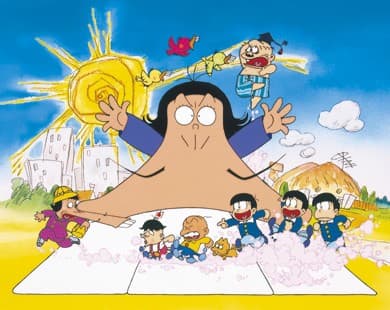
The brothers are supported by a recurring cast of quirky characters from the original Osomatsu-kun series, now also aged up. These include Totoko, a vain fish-themed idol wannabe who is the object of the sextuplets' unwanted affections; Iyami, a buck-toothed, self-proclaimed French con artist desperately trying to reclaim his former glory; and Chibita, an oden cart vendor who is a long-suffering friend and frequent victim of the brothers' antics. While the show primarily revels in crude, chaotic, and sometimes dark humor involving enemas, unemployment, and sibling rivalry, it occasionally delivers surprisingly heartfelt moments that underscore the unshakeable, if dysfunctional, bond between the six brothers.
The series is set in a contemporary Japan that the brothers struggle to navigate, though their specific town retains a somewhat nostalgic, everyday atmosphere. Each brother shares the same face but possesses a distinct personality that drives the comedy. Osomatsu is the selfish, gambling-addicted eldest who appoints himself the leader. Karamatsu is a delusional, self-styled cool guy with painfully dramatic tendencies. Choromatsu is the neurotic straight man and voice of reason who is secretly an obsessive idol fan. Ichimatsu is a cynical, anti-social loner with a soft spot for stray cats. Jyushimatsu is an inexplicably hyperactive and joyful oddball whose energy defies the laws of physics. Todomatsu is the youngest and most superficially charming, using his cuteness to manipulate others while being secretly two-faced.
The narrative is not a linear story but an episodic series of rapid-fire sketch comedies, similar in structure to a variety show. Each full-length episode is broken into several segments that drop the brothers into a wide range of scenarios, from mundane struggles like job hunting and dating to wildly absurd adventures involving murder mysteries, historical parodies, or the brothers reimagined as pretty-boy idol singers. The show is notable for its meta-humor and relentless parodies of other anime, Japanese pop culture, and even its own source material. The very first episode famously leaned so heavily into unauthorized parodies of other famous series that it was eventually pulled from streaming and home video releases. This irreverent, self-aware tone defines the series, as it constantly breaks the fourth wall and makes jokes about its own status as a revival of a classic 1960s franchise.
The brothers are supported by a recurring cast of quirky characters from the original Osomatsu-kun series, now also aged up. These include Totoko, a vain fish-themed idol wannabe who is the object of the sextuplets' unwanted affections; Iyami, a buck-toothed, self-proclaimed French con artist desperately trying to reclaim his former glory; and Chibita, an oden cart vendor who is a long-suffering friend and frequent victim of the brothers' antics. While the show primarily revels in crude, chaotic, and sometimes dark humor involving enemas, unemployment, and sibling rivalry, it occasionally delivers surprisingly heartfelt moments that underscore the unshakeable, if dysfunctional, bond between the six brothers.
Cast
- Totoko
Comment(s)
Staff
- DirectorYoshinori Odaka
- ScriptShū Matsubara
- Episode DirectorTsuneo SuzukiKentaro MizunoIppei IchiiShige FukaseHitomi EzoeYuki MoritaRyōsuke AzumaItoko NagaiNene NimuraYusaku Kikuchi
- MusicYukari Hashimoto
- Character DesignEiji Abiko
- Chief Animation DirectorKasumi WadaHaru Watanabe
- Sound DirectorHiromi Kikuta
- ProducerWataru TanakaShuichi KitadaYoshihiro TominagaAmi YoshikawaMasato KuwabaraShuka Nishimae
- Series CompositionShū Matsubara
- StoryboardTetsuji TakayanagiKunihisa SugishimaShinobu TagashiraKen'ichi NishidaTsuneo SuzukiYoshinori OdakaMasatsugu NagasoeRyōsuke AzumaNaoto UchidaJōji FurutaNene Nimura
- Unit DirectorMasatsugu NagasoeJōji Furuta
- Original creator
- Art DirectorSeiki Tamura
- Animation DirectorYukari Watabe
- Director of PhotographyTōru Fukushi
Production
- Animation ProductionPierrot Films