TV-Series
Description
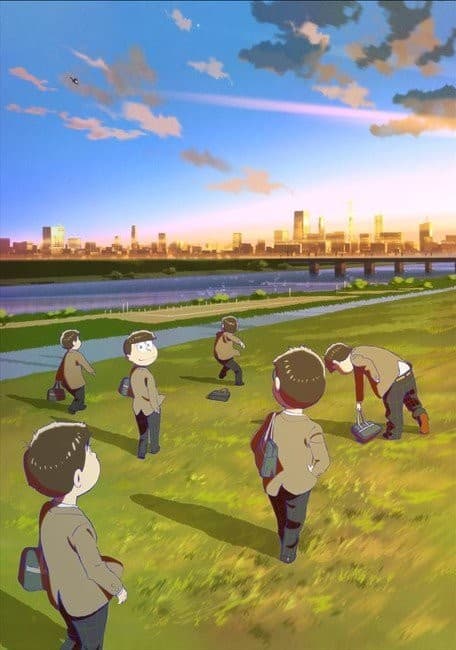
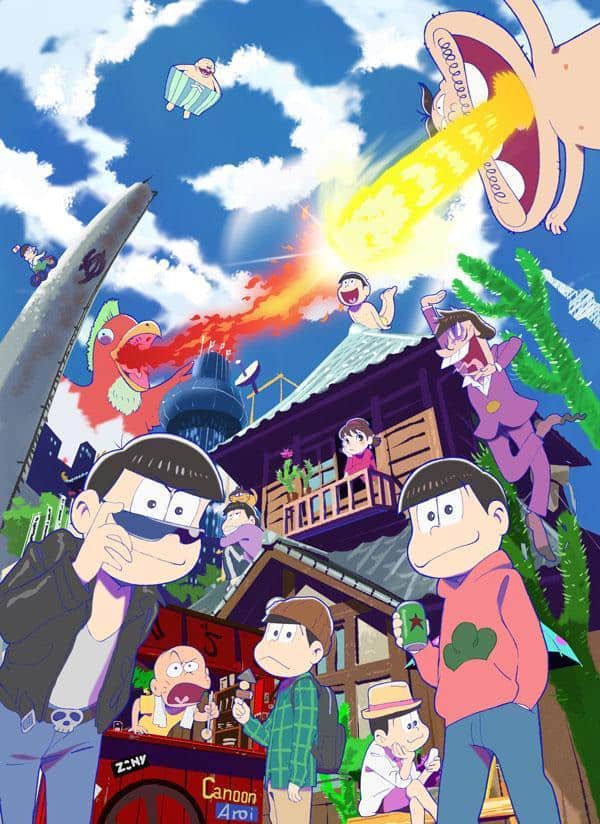
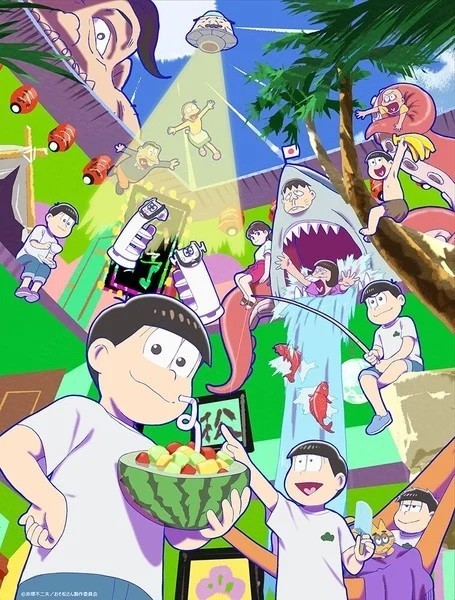
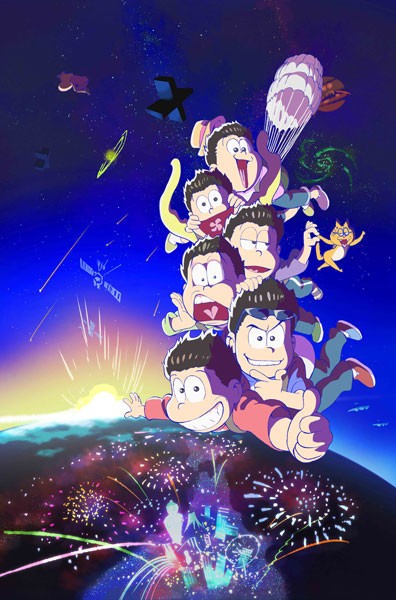
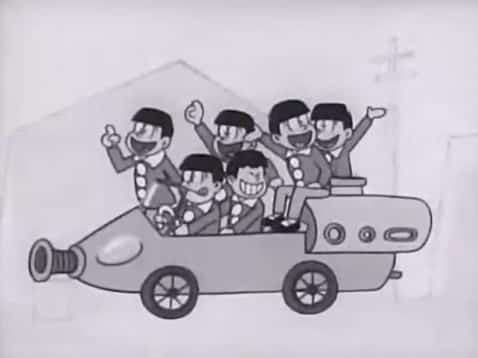
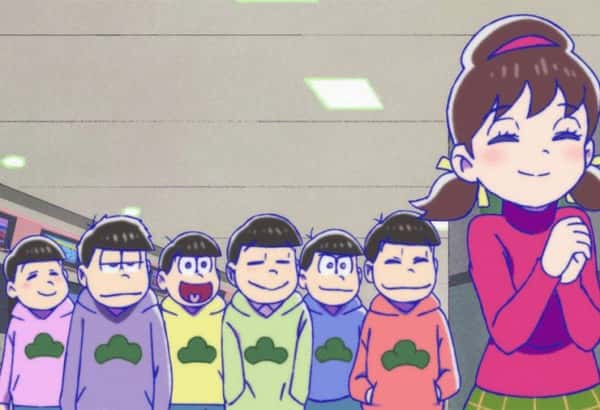
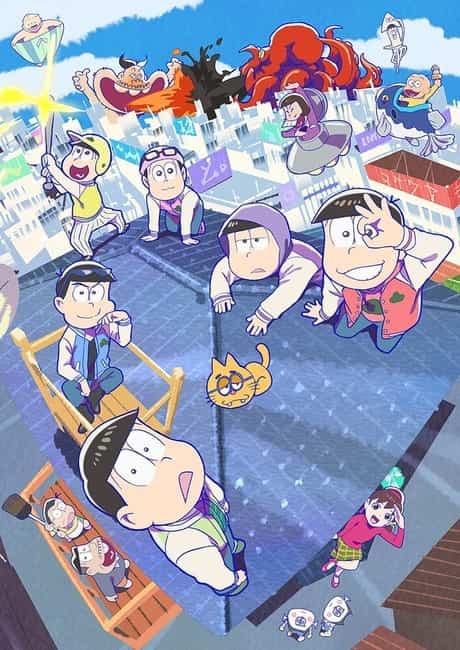
"Osomatsu-san" is a modern reboot of the classic 1960s anime "Osomatsu-kun," centering on the lives of the Matsuno sextuplets: Osomatsu, Karamatsu, Choromatsu, Ichimatsu, Jyushimatsu, and Todomatsu. The series is a surreal comedy that parodies slice-of-life tropes while exploring the absurd and often chaotic dynamics between the brothers. Set in a contemporary setting, the sextuplets are depicted as NEETs (Not in Education, Employment, or Training) in their 20s, living aimlessly and relying on their parents for support. Despite their identical appearances, each brother has a distinct personality that drives the humor and conflicts within the series.
Osomatsu, the eldest, is lazy and self-centered but often takes the lead in their schemes. Karamatsu, the second eldest, is narcissistic and tries to project a "cool" image, though his efforts are frequently mocked. Choromatsu, the third, is the most responsible and pragmatic, often frustrated by his brothers' antics. Ichimatsu, the fourth, is gloomy and socially awkward, with a fondness for stray cats. Jyushimatsu, the fifth, is hyperactive and eccentric, often engaging in bizarre behavior. Todomatsu, the youngest, is manipulative and image-conscious, often prioritizing his social standing over his brothers' well-being.
The series lacks a continuous plot, instead presenting episodic stories that range from mundane daily activities to absurd, fourth-wall-breaking scenarios. The brothers frequently find themselves in ridiculous situations, such as attempting to find jobs, competing for romantic interests, or engaging in nonsensical competitions. The humor often relies on meta-commentary, pop culture references, and exaggerated character interactions. Despite their flaws, the brothers share a dysfunctional yet endearing bond, which is a recurring theme throughout the series.
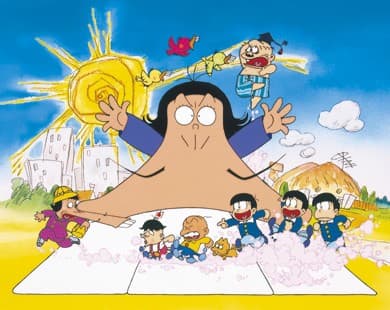
"Osomatsu-san" also features a wide array of recurring side characters, including their childhood friend Totoko, who is idolized by the brothers, and Iyami, a flamboyant and eccentric man who often clashes with them. The series frequently shifts tone, blending slapstick comedy with moments of introspection and social commentary, reflecting the struggles of young adults in a rapidly changing society. Its unpredictable nature and irreverent humor have made it a standout in the comedy genre, appealing to both fans of the original series and new audiences.
Osomatsu, the eldest, is lazy and self-centered but often takes the lead in their schemes. Karamatsu, the second eldest, is narcissistic and tries to project a "cool" image, though his efforts are frequently mocked. Choromatsu, the third, is the most responsible and pragmatic, often frustrated by his brothers' antics. Ichimatsu, the fourth, is gloomy and socially awkward, with a fondness for stray cats. Jyushimatsu, the fifth, is hyperactive and eccentric, often engaging in bizarre behavior. Todomatsu, the youngest, is manipulative and image-conscious, often prioritizing his social standing over his brothers' well-being.
The series lacks a continuous plot, instead presenting episodic stories that range from mundane daily activities to absurd, fourth-wall-breaking scenarios. The brothers frequently find themselves in ridiculous situations, such as attempting to find jobs, competing for romantic interests, or engaging in nonsensical competitions. The humor often relies on meta-commentary, pop culture references, and exaggerated character interactions. Despite their flaws, the brothers share a dysfunctional yet endearing bond, which is a recurring theme throughout the series.
"Osomatsu-san" also features a wide array of recurring side characters, including their childhood friend Totoko, who is idolized by the brothers, and Iyami, a flamboyant and eccentric man who often clashes with them. The series frequently shifts tone, blending slapstick comedy with moments of introspection and social commentary, reflecting the struggles of young adults in a rapidly changing society. Its unpredictable nature and irreverent humor have made it a standout in the comedy genre, appealing to both fans of the original series and new audiences.
Cast
- Juushimatsu
- Totoko
Comment(s)
Staff
- DirectorYōichi Fujita
- ScreenplayShū Matsubara
- Episode DirectorTakashi AndōHikaru MurataNoriko ItōYoshinori OdakaTaketomo IshikawaTakashi IgariHikaru YamaguchiYōichi FujitaTakumi DōyamaTakahiro ŌtsukaYoshifumi SasaharaToshihiro MaeyaSayaka YamaiRyu YajimaYūta Suzuki
- Original creator
- Art DirectorSeiki Tamura
- ProducerHiroko NishiMakoto HijikataMasato KuwabaraYoshihiro Tominaga
- Chief Animation DirectorEiji AbikoIppei IchiiSaeko OzawaMaki Kōno
- Director of PhotographyTōru Fukushi
- Series CompositionShū Matsubara
- StoryboardYukihiro MatsushitaNoriko ItōTetsuji TakayanagiShinobu TagashiraIwao TeraokaYoshinori OdakaTaketomo IshikawaHikaru YamaguchiYōichi FujitaTakumi DōyamaJōji FurutaTakahiro ŌtsukaToshihiro MaeyaSayaka YamaiTakuma AomatsuYūta Suzuki
- MusicYukari Hashimoto
- Character DesignEiji Abiko
- Sound DirectorHiromi Kikuta
- Unit DirectorHikaru YamaguchiYōichi FujitaTakuma Aomatsu
- Animation DirectorNoriko ItōYukari KobayashiEiji AbikoShigetaka KiyoyamaTomokazu ShimabukuroRioHyun Ju SongTaketomo IshikawaKazuyuki IkaiIppei MasuiKasumi WadaYoon-Joung KimIppei IchiiJin Wook LimNarihito SekikawaYōko KutsuzawaHaru WatanabeNagisa TakahashiEun Mi HanYeon Soon JeongChang Hee WonTeruko TakeshimaJoung Kyong LeeDa Li ChenMaki KōnoMaiko KamijoMaho TakahashiJu No KimNijimi KakitsubakiSung Hee LeeYe Sung Lee
Production
- ProductionAvex PicturesTV TokyoStudio PierrotDentsu Inc.DAIICHI SHOKAI Co.,Ltd.
- Animation ProductionStudio Pierrot
Relations