TV-Series
Description
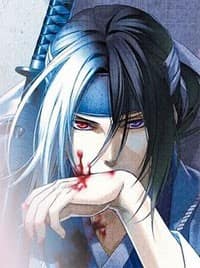
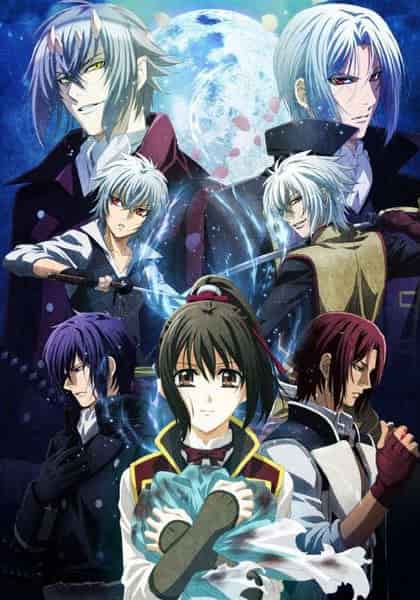
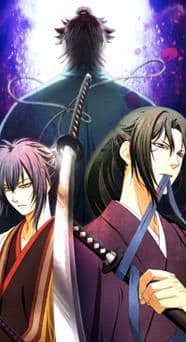
"Hakuoki: Demon of the Fleeting Blossom - Dawn of the Shinsengumi" is a historical fantasy anime set in the late Edo period of Japan, blending historical events with supernatural elements. The narrative centers on Chizuru Yukimura, a young woman who travels to Kyoto in search of her missing father, a doctor researching a mysterious elixir known as the Water of Life. During her journey, she encounters the Shinsengumi, a group of elite samurai tasked with maintaining order in Kyoto. After witnessing a battle involving the Shinsengumi and a group of rogue warriors, Chizuru is taken into their custody to ensure her silence.
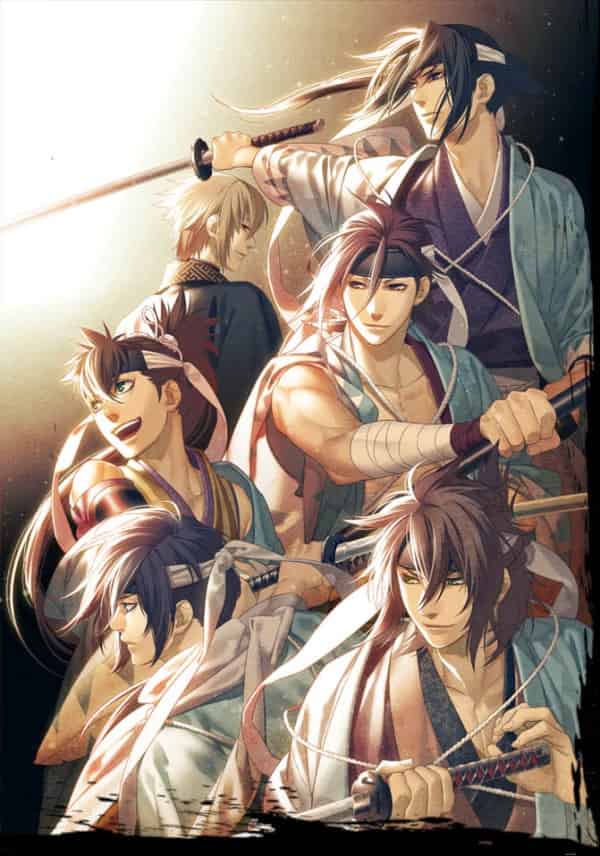
As Chizuru becomes integrated into the Shinsengumi, she discovers that the group is embroiled in a conflict involving the Water of Life, which grants immense power but transforms its users into monstrous beings called Rasetsu. The Shinsengumi, led by charismatic figures such as Toshizo Hijikata, Isami Kondo, and Souji Okita, are determined to protect Kyoto from both political upheaval and the dangers posed by the Rasetsu. Chizuru’s presence within the group becomes pivotal as her father’s research ties her directly to the unfolding events.
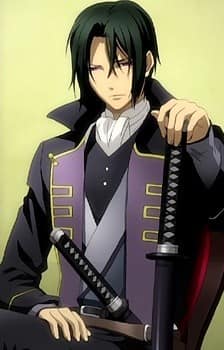
The series explores the internal struggles of the Shinsengumi members as they grapple with their loyalty to their cause, their humanity, and the moral dilemmas posed by the Water of Life. Characters like Hijikata, the stern vice-commander, and Okita, a skilled but ailing swordsman, are portrayed with depth, highlighting their personal sacrifices and the toll of their duties. Chizuru’s role evolves from an outsider to a trusted ally, as she aids the Shinsengumi while continuing her search for her father.
The plot intertwines historical events, such as the decline of the Tokugawa shogunate and the rise of anti-shogunate factions, with the supernatural threat of the Rasetsu. The Shinsengumi’s efforts to maintain order are complicated by betrayals, shifting alliances, and the growing influence of the Water of Life. The series balances action, political intrigue, and emotional drama, culminating in a narrative that examines themes of loyalty, sacrifice, and the cost of power. Through its portrayal of the Shinsengumi’s final days, the anime provides a poignant depiction of a turbulent era in Japanese history, enriched by its supernatural elements and character-driven storytelling.
As Chizuru becomes integrated into the Shinsengumi, she discovers that the group is embroiled in a conflict involving the Water of Life, which grants immense power but transforms its users into monstrous beings called Rasetsu. The Shinsengumi, led by charismatic figures such as Toshizo Hijikata, Isami Kondo, and Souji Okita, are determined to protect Kyoto from both political upheaval and the dangers posed by the Rasetsu. Chizuru’s presence within the group becomes pivotal as her father’s research ties her directly to the unfolding events.
The series explores the internal struggles of the Shinsengumi members as they grapple with their loyalty to their cause, their humanity, and the moral dilemmas posed by the Water of Life. Characters like Hijikata, the stern vice-commander, and Okita, a skilled but ailing swordsman, are portrayed with depth, highlighting their personal sacrifices and the toll of their duties. Chizuru’s role evolves from an outsider to a trusted ally, as she aids the Shinsengumi while continuing her search for her father.
The plot intertwines historical events, such as the decline of the Tokugawa shogunate and the rise of anti-shogunate factions, with the supernatural threat of the Rasetsu. The Shinsengumi’s efforts to maintain order are complicated by betrayals, shifting alliances, and the growing influence of the Water of Life. The series balances action, political intrigue, and emotional drama, culminating in a narrative that examines themes of loyalty, sacrifice, and the cost of power. Through its portrayal of the Shinsengumi’s final days, the anime provides a poignant depiction of a turbulent era in Japanese history, enriched by its supernatural elements and character-driven storytelling.
Episodes
Staffel 1
1Dawn of the Divine Warriors
2Led of Destiny
3Rules for a Pack of Wolves
4The Blade Drenched in Blood
5Stairway to the Blue Skies
6Howling from the Darkness
7Oath Made on the Wind Blowing Over the Grass
8The Shackles of Pandemonium
9The Light of a Flashing Sword
10The Brightly Burning Beacon
11A Moonlit Night Filled with Flowers
12The Great Dawn
Cast
- Jōji Nakata
- Nimi
- Toshizō Hijikata
- Isami Kondō
- Sanosuke Harada
- Shinpachi Nakagura
- Ryūnosuke Ibuki
Comment(s)
Staff
- Director
- Unit Director
- Original ConceptTsunekiyo Fujisawa
- Character DesignAtsuko Nakajima
- Sound DirectorYukio Nagasaki
- Storyboard
- MusicKō Ōtani
- Original Character DesignYone Kazuki
- Animation DirectorAtsuko Nakajima
- ProducerMitsutoshi OguraAsuka YamazakiYouhei HayashiAtsushi Iwasaki
Production
- ProductionMOVICAT-XFrontier WorksGeneon Universal Entertainment
- Animation ProductionStudio DEEN