ONA
Description
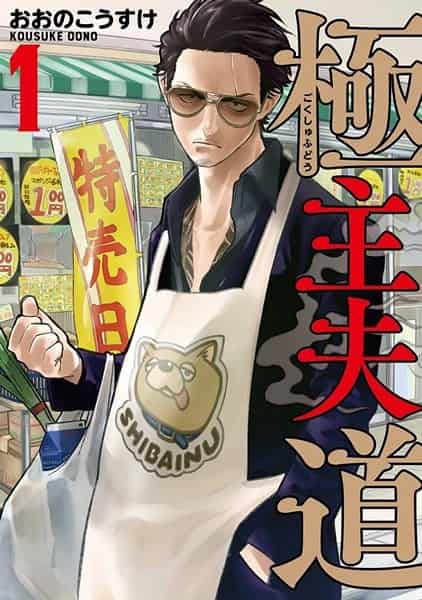
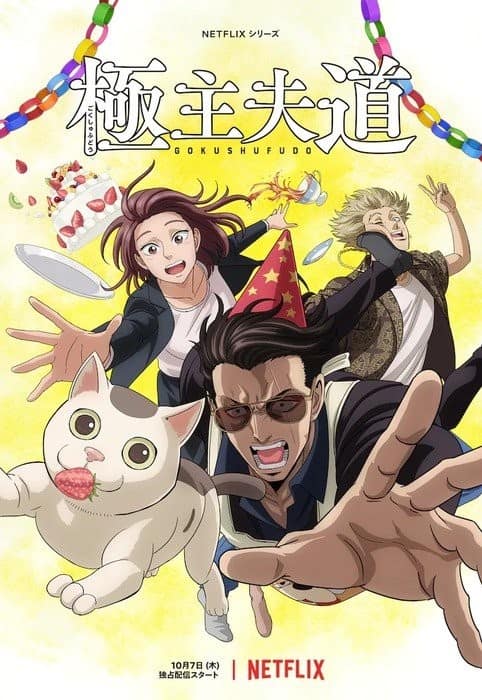
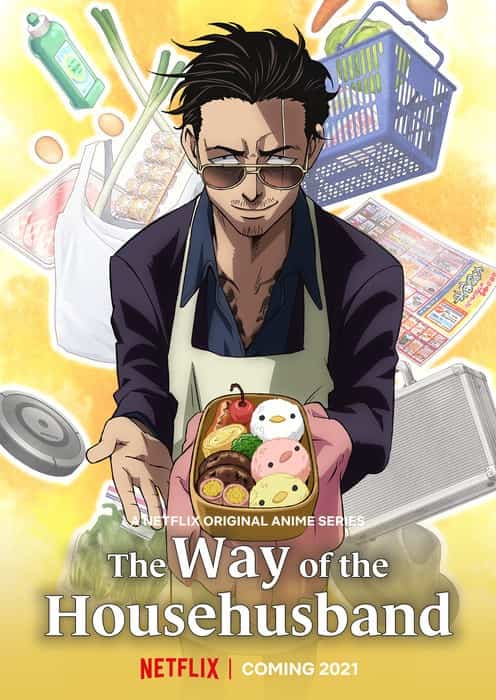
"The Way of the Househusband" centers on Tatsu, a former legendary yakuza boss known as "The Immortal Dragon," who retires from the criminal underworld to become a full-time homemaker. Tatsu’s transition from a feared gangster to a dedicated househusband forms the core of the narrative, juxtaposing his intimidating demeanor with his meticulous attention to domestic tasks. His daily life revolves around cooking, cleaning, shopping, and supporting his wife, Miku, a career-driven designer who appreciates his efforts but remains largely unaware of his past.
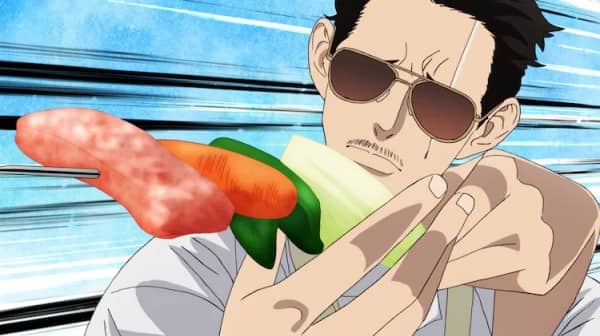
The series unfolds through episodic vignettes, each highlighting Tatsu’s unique approach to household chores and his interactions with various characters. Despite his domestic focus, Tatsu’s yakuza instincts often surface, leading to humorous and exaggerated situations. For instance, his intense focus on perfecting a recipe or his dramatic confrontations with mundane challenges, such as bargain hunting or dealing with a malfunctioning appliance, are portrayed with the same gravitas as a life-or-death yakuza standoff.
Supporting characters include Masa, a former yakuza subordinate who occasionally seeks Tatsu’s guidance, and Torajiro, a rival-turned-friend who also attempts to adapt to a civilian lifestyle. These interactions further emphasize the contrast between Tatsu’s past and present, as well as the challenges of leaving a life of crime behind. The series balances comedy with subtle moments of introspection, exploring themes of identity, reinvention, and the value of everyday responsibilities.
Tatsu’s unwavering dedication to his new role, coupled with his lingering yakuza mannerisms, creates a distinctive blend of humor and heart. The narrative avoids delving deeply into dramatic conflict, instead focusing on the absurdity and charm of Tatsu’s domestic adventures. Through its episodic structure and lighthearted tone, "The Way of the Househusband" offers a fresh take on the slice-of-life genre, anchored by its unconventional protagonist and his commitment to mastering the art of homemaking.
The series unfolds through episodic vignettes, each highlighting Tatsu’s unique approach to household chores and his interactions with various characters. Despite his domestic focus, Tatsu’s yakuza instincts often surface, leading to humorous and exaggerated situations. For instance, his intense focus on perfecting a recipe or his dramatic confrontations with mundane challenges, such as bargain hunting or dealing with a malfunctioning appliance, are portrayed with the same gravitas as a life-or-death yakuza standoff.
Supporting characters include Masa, a former yakuza subordinate who occasionally seeks Tatsu’s guidance, and Torajiro, a rival-turned-friend who also attempts to adapt to a civilian lifestyle. These interactions further emphasize the contrast between Tatsu’s past and present, as well as the challenges of leaving a life of crime behind. The series balances comedy with subtle moments of introspection, exploring themes of identity, reinvention, and the value of everyday responsibilities.
Tatsu’s unwavering dedication to his new role, coupled with his lingering yakuza mannerisms, creates a distinctive blend of humor and heart. The narrative avoids delving deeply into dramatic conflict, instead focusing on the absurdity and charm of Tatsu’s domestic adventures. Through its episodic structure and lighthearted tone, "The Way of the Househusband" offers a fresh take on the slice-of-life genre, anchored by its unconventional protagonist and his commitment to mastering the art of homemaking.
Cast
- Miku's Mother
- Jennifer WeißFabiola Bittarello
- Gōda
- Ryota
- Torajirō
- Kunimi
Comment(s)
Staff
- DirectorChiaki Kon
- Original creator
- Series CompositionSusumu Yamakawa
Production
- Animation ProductionJ.C. Staff
- ProductionShinchosha
Relations
Anime overview
Manga overview