
TV-Series
Description
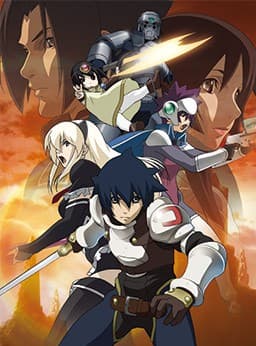
"The Tower of Druaga: The Sword of Uruk" is the second season of the anime series based on the "Druaga no Tou" franchise, continuing the story set in the world of the Tower of Druaga. The narrative picks up after the events of the first season, "The Aegis of Uruk," where the protagonist Jil and his companions attempted to climb the tower to defeat the demon king Druaga. The second season shifts focus to a new quest centered around the legendary Sword of Uruk, a weapon said to be capable of defeating Druaga.
The story begins with Jil, now a seasoned adventurer, reuniting with his former companions, including the priestess Kaaya, the warrior Neeba, and the mage Melt. However, tensions arise as Neeba, who had previously betrayed the group, seeks the Sword of Uruk for his own purposes. The group is drawn into a conflict involving the kingdom of Uruk, which is under threat from an invading army led by the mysterious Ahmey. Ahmey, a skilled warrior, seeks the Sword of Uruk to fulfill her own agenda, adding another layer of complexity to the quest.
As the group ascends the tower, they face numerous challenges, including powerful monsters, treacherous allies, and internal conflicts. The narrative explores themes of trust, betrayal, and the consequences of ambition. Jil struggles with his role as a leader and his desire to protect his friends, while Kaaya grapples with her feelings for Jil and her duty as a priestess. Neeba’s motivations remain ambiguous, creating tension within the group as his actions often clash with their goals.
The tower itself serves as a central element, with each floor presenting unique obstacles and enemies. The series balances action-packed sequences with moments of character development, delving into the backstories and motivations of the main cast. The Sword of Uruk becomes a symbol of hope and destruction, with its true nature and power gradually revealed as the story progresses.
The climax of the series involves a confrontation with Druaga, as well as the resolution of the conflicts between the characters. The final episodes tie together the various plot threads, culminating in a decisive battle that determines the fate of Uruk and its people. The ending leaves room for interpretation, with some questions about the characters’ futures and the true nature of the tower remaining unanswered.
Overall, "The Tower of Druaga: The Sword of Uruk" builds upon the foundation laid by its predecessor, expanding the world and deepening the characters’ arcs. It combines fantasy, adventure, and drama to create a compelling narrative that appeals to fans of the genre.
The story begins with Jil, now a seasoned adventurer, reuniting with his former companions, including the priestess Kaaya, the warrior Neeba, and the mage Melt. However, tensions arise as Neeba, who had previously betrayed the group, seeks the Sword of Uruk for his own purposes. The group is drawn into a conflict involving the kingdom of Uruk, which is under threat from an invading army led by the mysterious Ahmey. Ahmey, a skilled warrior, seeks the Sword of Uruk to fulfill her own agenda, adding another layer of complexity to the quest.
As the group ascends the tower, they face numerous challenges, including powerful monsters, treacherous allies, and internal conflicts. The narrative explores themes of trust, betrayal, and the consequences of ambition. Jil struggles with his role as a leader and his desire to protect his friends, while Kaaya grapples with her feelings for Jil and her duty as a priestess. Neeba’s motivations remain ambiguous, creating tension within the group as his actions often clash with their goals.
The tower itself serves as a central element, with each floor presenting unique obstacles and enemies. The series balances action-packed sequences with moments of character development, delving into the backstories and motivations of the main cast. The Sword of Uruk becomes a symbol of hope and destruction, with its true nature and power gradually revealed as the story progresses.
The climax of the series involves a confrontation with Druaga, as well as the resolution of the conflicts between the characters. The final episodes tie together the various plot threads, culminating in a decisive battle that determines the fate of Uruk and its people. The ending leaves room for interpretation, with some questions about the characters’ futures and the true nature of the tower remaining unanswered.
Overall, "The Tower of Druaga: The Sword of Uruk" builds upon the foundation laid by its predecessor, expanding the world and deepening the characters’ arcs. It combines fantasy, adventure, and drama to create a compelling narrative that appeals to fans of the genre.
Episodes
Staffel 1
1The Tower of Gilgamesh
2Capital City Meskia
3City of Dreams - Meltland
4Into the Phantasm
5The Land of Shadows
6The Four Assassins
7House of Eternal Spring
8The Two of Them Were Once...
9The End of the Dream
10Last Resort
11Slayer of God
12Hand in Hand
Cast
- Succubus
Comment(s)
Staff
- Series Composition
- StoryboardTakeshi MoriHiroyuki OkunoMichio FukudaHiroko KazuiHiroshi KugimiyaYukio TakahashiTetsuo IchimuraIce MuginoKōichi ChigiraShōgo KōmotoKazumi Fukushima
- MusicHitoshi Sakimoto
- Character DesignAtsushi YamagataJunichi TakaokaToshiyuki FujisawaShou SugaiTakashi KumazenSayaka TakaseHironori Tsukada
- Mechanical designTakuhito Kusanagi
- Director of PhotographyHaruhide Ishiguro
- Art DirectorJunichi HigashiYung Woon Bae
- 3D DirectorHidemitsu Shiono
- Screenplay
- Episode DirectorShigeru UedaYukio TakahashiHiroshi TamadaToshikatsu TokoroYasuyuki FuseTetsuo IchimuraKōichi ChigiraHiroko KazuiKen Katō
- Original Character DesignUgetsu Hakua
- Chief Animation DirectorJunichi TakaokaToshiyuki Fujisawa
- Sound Director
- DirectorKōichi Chigira
- Animation DirectorHiroko KazuiJunichi TakaokaTateru NamikazeKenji ChibaToshiyuki FujisawaTakashi KumazenKenji FujisawaKazuhiro OnoHironori TsukadaTakashi KusakaKatsusuke ShimizuYuka Takamori
- ProducerTaichi HashimotoHideyuki Nanba
Production
- Animation ProductionGONZO
Relations
Anime overview
Music