
TV-Series
Description
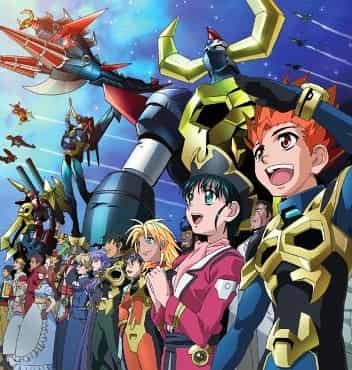
"Gaiking: Legend of Daikū-maryū" is a mecha anime series that revolves around the conflict between humanity and an ancient alien civilization known as the Darius Empire. The story begins when a mysterious meteorite crashes into Earth, unleashing a series of catastrophic events. This meteorite, later revealed to be a fragment of the Darius Empire's technology, awakens dormant threats and sets the stage for an interstellar war.
The protagonist, Daiya Tsuwabuki, is a young baseball player whose life takes a drastic turn when he is recruited by Captain Daimonji to pilot the legendary mecha, Gaiking. The Gaiking is a powerful robot housed within the Daikū-maryū, a massive flying fortress that serves as humanity's last line of defense against the Darius Empire. Daiya, initially reluctant, gradually embraces his role as the pilot of Gaiking, driven by a sense of duty and the desire to protect Earth.
The Darius Empire, led by the ruthless Emperor Darius, seeks to conquer Earth and exploit its resources. Their forces consist of biomechanical monsters and advanced warships, posing a significant threat to humanity. The Daikū-maryū, commanded by Captain Daimonji, becomes the central hub for Earth's resistance. Alongside Daiya, the crew includes skilled pilots and engineers such as Sanada, a calm and strategic thinker, and Riki, a spirited and determined fighter. Together, they face numerous battles against the Darius Empire, each encounter revealing more about the enemy's motives and capabilities.
As the series progresses, the narrative delves into the origins of the Darius Empire and their connection to Earth's ancient past. It is revealed that the Darius Empire was once a peaceful civilization that fell into ruin due to internal strife and external threats. Their invasion of Earth is driven by desperation and a need for survival. This backstory adds depth to the conflict, portraying the Darius Empire not merely as villains but as a civilization with its own tragic history.
The series also explores themes of sacrifice, camaraderie, and the moral complexities of war. Daiya's growth as a leader and his evolving relationships with the crew of the Daikū-maryū are central to the story. The battles are intense and strategic, often requiring the team to adapt and innovate in the face of overwhelming odds. The Gaiking itself undergoes several upgrades throughout the series, reflecting the escalating nature of the conflict.
In the final arc, the crew of the Daikū-maryū confronts Emperor Darius in a climactic battle that determines the fate of both Earth and the Darius Empire. The resolution of the series ties together the themes of redemption and coexistence, offering a nuanced conclusion to the interstellar conflict. "Gaiking: Legend of Daikū-maryū" combines action-packed mecha battles with a compelling narrative, making it a notable entry in the genre.
The protagonist, Daiya Tsuwabuki, is a young baseball player whose life takes a drastic turn when he is recruited by Captain Daimonji to pilot the legendary mecha, Gaiking. The Gaiking is a powerful robot housed within the Daikū-maryū, a massive flying fortress that serves as humanity's last line of defense against the Darius Empire. Daiya, initially reluctant, gradually embraces his role as the pilot of Gaiking, driven by a sense of duty and the desire to protect Earth.
The Darius Empire, led by the ruthless Emperor Darius, seeks to conquer Earth and exploit its resources. Their forces consist of biomechanical monsters and advanced warships, posing a significant threat to humanity. The Daikū-maryū, commanded by Captain Daimonji, becomes the central hub for Earth's resistance. Alongside Daiya, the crew includes skilled pilots and engineers such as Sanada, a calm and strategic thinker, and Riki, a spirited and determined fighter. Together, they face numerous battles against the Darius Empire, each encounter revealing more about the enemy's motives and capabilities.
As the series progresses, the narrative delves into the origins of the Darius Empire and their connection to Earth's ancient past. It is revealed that the Darius Empire was once a peaceful civilization that fell into ruin due to internal strife and external threats. Their invasion of Earth is driven by desperation and a need for survival. This backstory adds depth to the conflict, portraying the Darius Empire not merely as villains but as a civilization with its own tragic history.
The series also explores themes of sacrifice, camaraderie, and the moral complexities of war. Daiya's growth as a leader and his evolving relationships with the crew of the Daikū-maryū are central to the story. The battles are intense and strategic, often requiring the team to adapt and innovate in the face of overwhelming odds. The Gaiking itself undergoes several upgrades throughout the series, reflecting the escalating nature of the conflict.
In the final arc, the crew of the Daikū-maryū confronts Emperor Darius in a climactic battle that determines the fate of both Earth and the Darius Empire. The resolution of the series ties together the themes of redemption and coexistence, offering a nuanced conclusion to the interstellar conflict. "Gaiking: Legend of Daikū-maryū" combines action-packed mecha battles with a compelling narrative, making it a notable entry in the genre.
Episodes
Staffel 1
1The Sky Dragon King Is Here
2I'm The Chosen Warrior!?
3Going on A Journey...Farewell, Mother!
4Let's Go! Darius Charges Into The Plan
5We're The Bad Guys!?
6What Do We Do Now!? Mission Failed
7Clash! Battle With Full Pride
8The Smallest, Most Powerful Opponent in History
9Shoot Facing Tomorrow!
10Lulu's Crisis! Fear Of The Sea Bottom!!
11Earthquake!! General Noza Invades!
12Bet Your Life! The Forbidden Reversal Technique
13Shock! My Father Is The Captain?!
14Amusement Park Battle! Rosa's Day Off
15Dangerous Fugitive! Father's Clue
16Break The Dragnet! Lead Leopardess
17The Ally Is An Enemy! A Dangerous New Possible War
18Super Weapon! Darius' Trump Card
19The New Emperor's Trap! Gaiking's Execution
20Mini Mini Machine! Race For The Treasure
21100% Correct Fortune-Telling!? So Says Lulu!!
22Burn, You Three Fools! The Stolen Gaiking
23Sakon Disappears! The Stealthily Approaching Assassins
24The Pink Hippo Heading To The Battlefield!! Who's The Idol??
25The Crew Who Fell To Hell! You're The Idols!
26Prelude To A Nightmare! The Resurrected Dragon King!!
27The Exposed Dark Past! Garis' Sad Mask!!
28Sin And Judgment And The Cursed Child! The Sky Dragon King Of Likes And Dislikes!!
Cast
- Daimon
- Saspazi
- Dr. Sakon
- Choi Hana
- Doctor Wan
- Daimon-jiisan
- Gyeong-Hwa Han
- Rosa Vernikova
- Mother of Daiya
- Jian Xin
- So-Young Lee
- Darius XVII
Comment(s)
Staff
- Chief DirectorMasahiro Hosoda
- Screenplay
- Episode DirectorHideki TakayamaHiroki ShibataTetsuji NakamuraMasahiro HosodaRion KujoHideki HiroshimaMasaya SasakiTaizo YoshidaYutaka NakashimaTakashi OtsukaMasato MitsukaTōru YamadaGō Koga
- Character DesignNoriyoshi YamazakiKenji Yamazaki
- Art
- Animation DirectorSatoshi IshinoKeisuke WatabeMasahiro YamaneSeiichi SakamotoHisashi MitsuiKatsuyuki TamuraHiromichi MizukawaMikan EhimeMasahiro NaoiKeiichi IshidaKatsunori EnokimotoGen TakaseYoshito NarimatsuKōji NashizawaHiroaki ImakiHideyuki KanesakaYoshikatsu InoueNoriyoshi YamazakiEmiko AbeKenji YamazakiOsamu IshikawaHiroki MutaguchiYukimaro ŌtsuboKen ŌtsukaYōsuke KabashimaYukihito ŌgomoriHayato TejimaYūji HakamadaTatsuzō NishidaNam-Yeol Baek
- Unit Director
- Mechanical designKen Ōtsuka
- Series Composition
- StoryboardHidehito UedaRyō YasumuraTomoharu KatsumataHiroki ShibataTetsuji NakamuraSatoru IriyoshiMasahiro HosodaTaizo YoshidaYutaka NakashimaTōru YamadaKen ŌtsukaGō Koga
- Music
- Art DirectorTakashi Honda
- Chief Animation DirectorMasahiro Naoi
- ProducerHiroyuki SakuradaAtsushi Kaji
- Original creator
Production
- ProductionToei AnimationTV Asahi
Relations
Recommendations based on shared tags.
Anime overview
Manga overview

Music
Ending