
TV-Series
Description
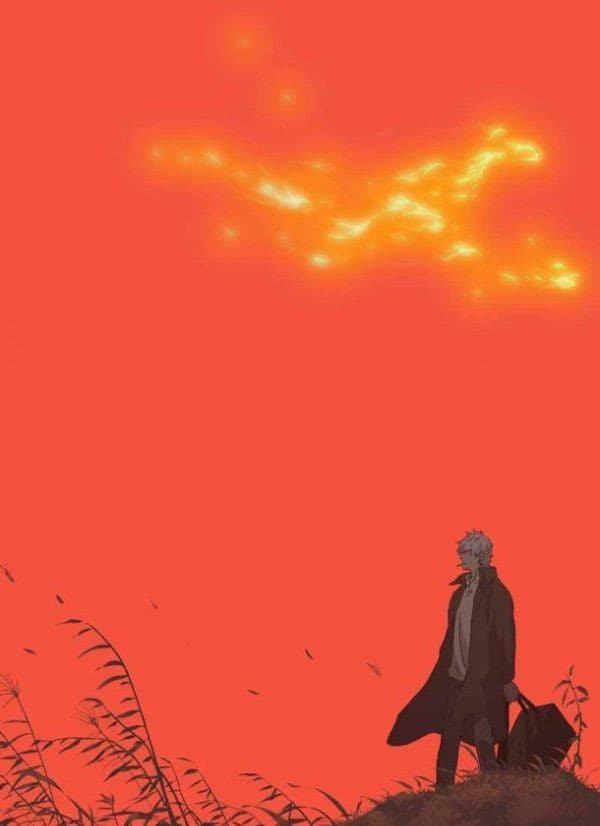
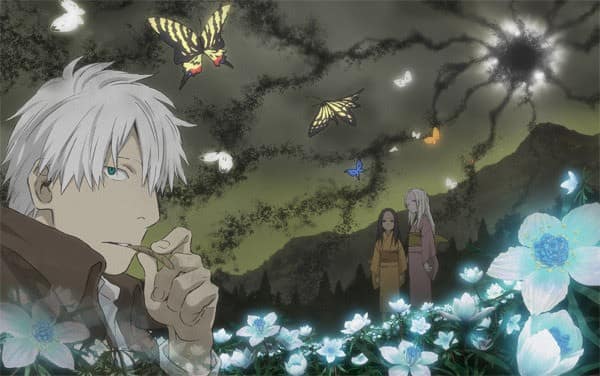
"Mushishi Zoku Shou 2" continues the episodic narrative structure of the "Mushishi" series, focusing on Ginko, a wandering Mushi master who investigates and resolves supernatural phenomena caused by Mushi—primordial, ethereal beings that exist outside the boundaries of life and death. Each episode presents a self-contained story, often set in rural or isolated locations, where Ginko encounters individuals affected by Mushi and works to understand and mitigate their impact.
The series delves into the intricate relationships between humans and Mushi, exploring themes of coexistence, the fragility of life, and the unseen forces that shape the natural world. Ginko’s role is not to eradicate Mushi but to mediate their interactions with humans, often providing insight into the deeper mysteries of their existence. His calm demeanor and deep knowledge of Mushi make him a compelling guide through these enigmatic encounters.
Key episodes in "Mushishi Zoku Shou 2" include stories of a man who becomes a living bridge between worlds, a woman whose dreams manifest as physical entities, and a village plagued by an invisible force that alters time. These narratives are steeped in folklore and mythology, blending supernatural elements with human emotions and dilemmas. The series maintains a contemplative tone, emphasizing the quiet beauty and melancholy of its world.
Ginko remains the central figure, though he is often more of an observer than an active participant, allowing the stories of those he meets to take precedence. His backstory is occasionally hinted at, revealing his connection to Mushi and the reasons for his nomadic lifestyle. Supporting characters vary from episode to episode, each contributing to the exploration of Mushi-related phenomena and the human condition.
The series retains its signature atmospheric storytelling, with a focus on natural landscapes and a subdued, reflective pace. It builds on the established lore of Mushi while introducing new mysteries and challenges, maintaining the balance between the familiar and the unknown. "Mushishi Zoku Shou 2" continues to offer a thoughtful and immersive experience, staying true to the essence of the franchise.
The series delves into the intricate relationships between humans and Mushi, exploring themes of coexistence, the fragility of life, and the unseen forces that shape the natural world. Ginko’s role is not to eradicate Mushi but to mediate their interactions with humans, often providing insight into the deeper mysteries of their existence. His calm demeanor and deep knowledge of Mushi make him a compelling guide through these enigmatic encounters.
Key episodes in "Mushishi Zoku Shou 2" include stories of a man who becomes a living bridge between worlds, a woman whose dreams manifest as physical entities, and a village plagued by an invisible force that alters time. These narratives are steeped in folklore and mythology, blending supernatural elements with human emotions and dilemmas. The series maintains a contemplative tone, emphasizing the quiet beauty and melancholy of its world.
Ginko remains the central figure, though he is often more of an observer than an active participant, allowing the stories of those he meets to take precedence. His backstory is occasionally hinted at, revealing his connection to Mushi and the reasons for his nomadic lifestyle. Supporting characters vary from episode to episode, each contributing to the exploration of Mushi-related phenomena and the human condition.
The series retains its signature atmospheric storytelling, with a focus on natural landscapes and a subdued, reflective pace. It builds on the established lore of Mushi while introducing new mysteries and challenges, maintaining the balance between the familiar and the unknown. "Mushishi Zoku Shou 2" continues to offer a thoughtful and immersive experience, staying true to the essence of the franchise.
Episodes
Staffel 1
1Banquet at the Forest's Edge
2The Warbling Sea Shell
3Beneath the Snow
4The Hand that Caresses the Night
5Mirror Lake
6Floral Delusion
7Cloudless Rain
8Wind Raiser
9Valley of the Welling Tides
10Depths of Winter
11Cushion of Grass
12The Fragrant Darkness
13Lingering Crimson
14Hidden Cove
15Thread of Light
16Sea of Otherworldly Stars
17Azure Waters
18Lightning's End
19Mud Grass
20Tree of Eternity
Cast
- Kaoru
- Saho
- Masaki
- Yoki
- Tanyuu
- Ibuki's father
- Tatsu
- Gen's father
- SachiRumina Komagata
- Ayaka Tsuda
- TaeMisaki Yatabe
- Masumi's fatherNatsuho Miyazako
- Ibuki's stepmotherAkemi Sakurai
- HouichiAkira Matsushita
- ChiyoYoshie Tsuji
- Rinna Ishikawa
- ShinobuJunya Tsukamoto
- Shino
- Koushi Tsujimoto
- Kanta's wifeSayaka Yukino
- Toki
- Sumi
- Taki
- Youkichi
- Sakichi
- Shigeru
- Masumi's mother
- Teru
- Mizuho
- Rokusuke
- Yuuta
- YuiSubaru Tōgō
- ShimaMinami Fujimoto
- UsukeKousuke KijimaKousei Kijima
- YasuToshikazu Ozeki
- Yōsuke Saitō
- Houichi's wifeKayo Kikkawa
- Yura
- Rin Kanazawa
- RekiEru Yamada
- Sousuke
- Kanta's motherKatsumi Seino
- Tsukika Akiba
- RyouRyō Ishikawa
Comment(s)
Staff
- Director
- Episode DirectorYasuhiro GeshiRyo MiyataYasuyuki FuseKōichirō SohtomeNobukage KimuraYasuhiro KimuraTomihiko Ōkubo
- Original creator
- Art DirectorTakeshi Waki
- Animation DirectorYoshihiko UmakoshiMasahiro SekiguchiNoboru SugimitsuTakahiro KagamiTakenori TsukumaEiji AbikoTerumi NishiiMitsuko BabaKazuyuki IkaiKōichi Satō
- Director of PhotographyYūta Nakamura
- Storyboard
- MusicToshio Masuda
- Character DesignYoshihiko Umakoshi
- Chief Animation DirectorYoshihiko Umakoshi
- Sound DirectorKazuya Tanaka
Production
- ProductionKodanshaAniplex
- Animation ProductionArtland
Relations
Anime overview
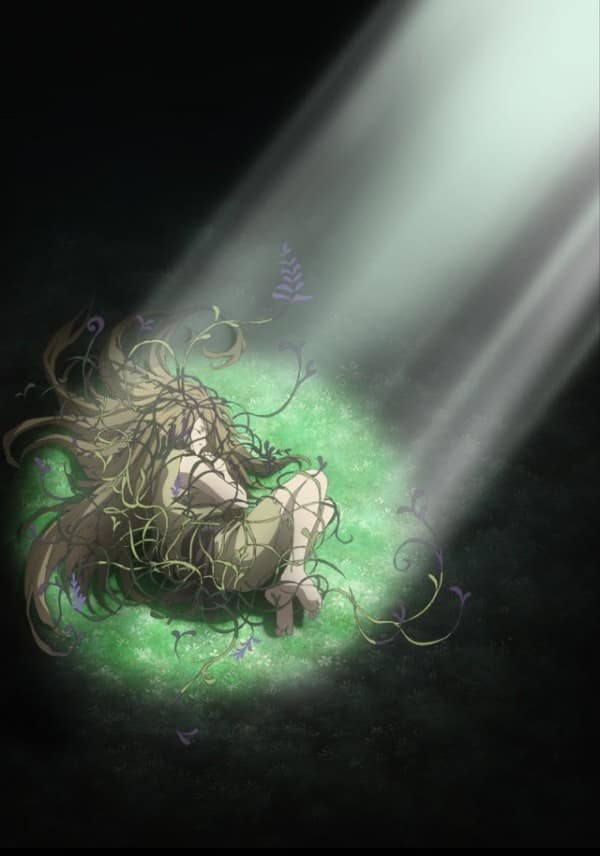
Manga overview
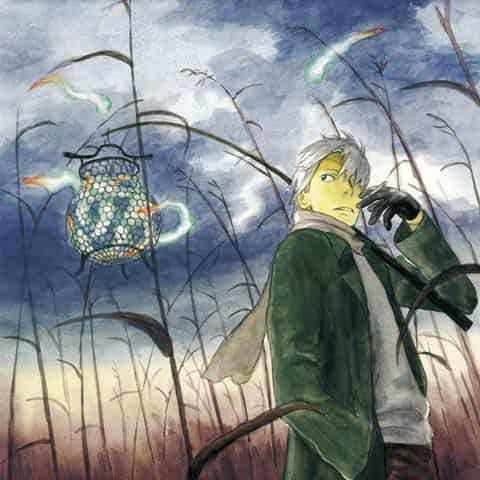
Music
Ending