

TV-Series
Description
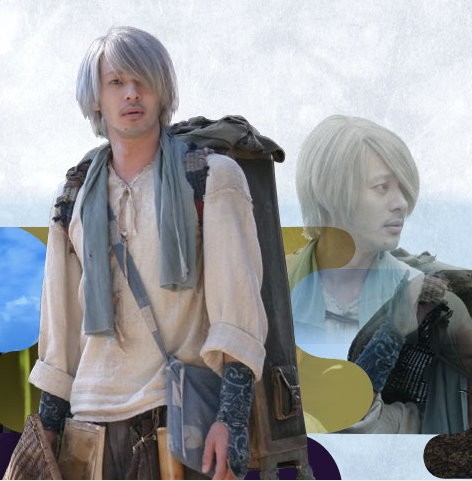
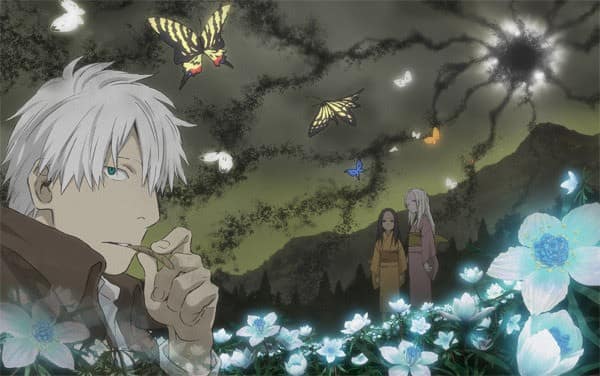
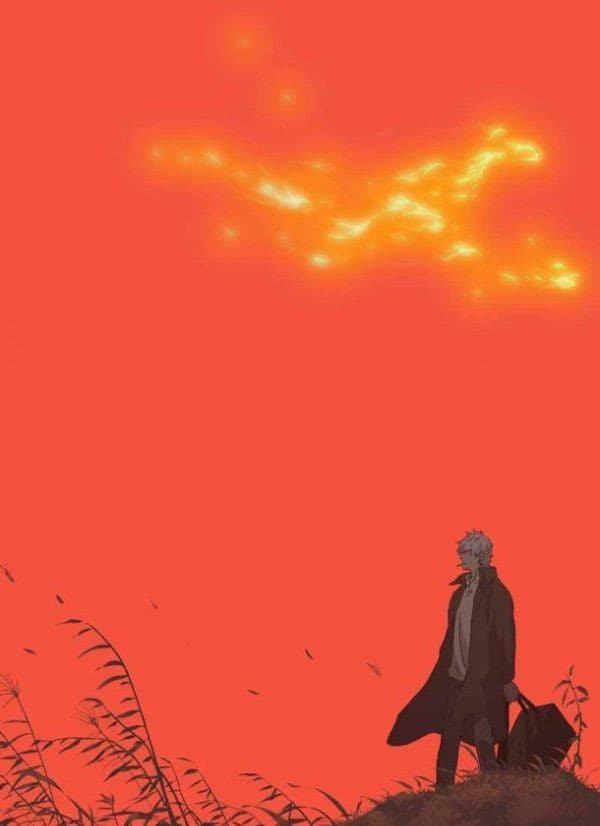
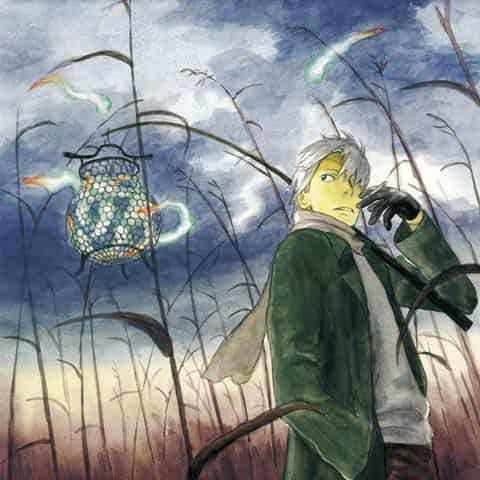
"Mushi-Shi" is a supernatural anime series set in a world where ethereal creatures known as Mushi exist. These beings are neither plant nor animal, nor even truly supernatural, but rather primitive life forms that embody the essence of life itself. They are invisible to most humans, but their presence can profoundly affect the natural world and human lives. The protagonist, Ginko, is a Mushi-shi, a wandering expert who investigates and resolves Mushi-related phenomena. Ginko is characterized by his calm demeanor, white hair, and a perpetual cigarette, which he claims helps repel Mushi.
The narrative unfolds in an episodic format, with each episode presenting a self-contained story. Ginko travels from village to village, encountering individuals whose lives have been disrupted by Mushi. These encounters often involve mysterious illnesses, strange occurrences, or unexplained natural phenomena. Ginko’s role is to diagnose the problem, explain the nature of the Mushi involved, and find a solution, which sometimes involves coexistence rather than eradication. The stories explore themes of balance, harmony, and the interconnectedness of all life, often leaving moral and philosophical questions open-ended.
The Mushi themselves are diverse and enigmatic, ranging from benign to dangerous. Some Mushi are parasitic, feeding on human emotions or memories, while others are symbiotic, offering unique abilities or insights. The series delves into the delicate relationship between humans and Mushi, emphasizing that Mushi are not inherently malevolent but simply exist as part of the natural order. Ginko’s approach reflects this understanding, as he seeks to mediate rather than dominate.
Ginko’s backstory is gradually revealed throughout the series. As a child, he was involved in a Mushi-related incident that left him with the ability to see Mushi and a deep fascination with them. This event also led to his isolation, as Mushi are drawn to him, making it difficult for him to stay in one place for long. Despite his solitary lifestyle, Ginko is compassionate and dedicated to helping those affected by Mushi, often at great personal risk.
The series is set in a rural, historical Japan, though the exact time period is ambiguous. The setting enhances the mystical atmosphere, with lush landscapes, dense forests, and remote villages serving as backdrops for the stories. The tone is contemplative and melancholic, with a focus on the quiet beauty and mystery of the natural world. The episodic structure allows for a wide range of storytelling, from tragic tales of loss to hopeful stories of renewal.
Overall, "Mushi-Shi" presents a unique blend of folklore, science fiction, and philosophical inquiry, centered around the enigmatic figure of Ginko and his encounters with the unseen world of Mushi. The series is notable for its thoughtful exploration of humanity’s relationship with nature and the unknown, delivered through a series of poignant, self-contained narratives.
The narrative unfolds in an episodic format, with each episode presenting a self-contained story. Ginko travels from village to village, encountering individuals whose lives have been disrupted by Mushi. These encounters often involve mysterious illnesses, strange occurrences, or unexplained natural phenomena. Ginko’s role is to diagnose the problem, explain the nature of the Mushi involved, and find a solution, which sometimes involves coexistence rather than eradication. The stories explore themes of balance, harmony, and the interconnectedness of all life, often leaving moral and philosophical questions open-ended.
The Mushi themselves are diverse and enigmatic, ranging from benign to dangerous. Some Mushi are parasitic, feeding on human emotions or memories, while others are symbiotic, offering unique abilities or insights. The series delves into the delicate relationship between humans and Mushi, emphasizing that Mushi are not inherently malevolent but simply exist as part of the natural order. Ginko’s approach reflects this understanding, as he seeks to mediate rather than dominate.
Ginko’s backstory is gradually revealed throughout the series. As a child, he was involved in a Mushi-related incident that left him with the ability to see Mushi and a deep fascination with them. This event also led to his isolation, as Mushi are drawn to him, making it difficult for him to stay in one place for long. Despite his solitary lifestyle, Ginko is compassionate and dedicated to helping those affected by Mushi, often at great personal risk.
The series is set in a rural, historical Japan, though the exact time period is ambiguous. The setting enhances the mystical atmosphere, with lush landscapes, dense forests, and remote villages serving as backdrops for the stories. The tone is contemplative and melancholic, with a focus on the quiet beauty and mystery of the natural world. The episodic structure allows for a wide range of storytelling, from tragic tales of loss to hopeful stories of renewal.
Overall, "Mushi-Shi" presents a unique blend of folklore, science fiction, and philosophical inquiry, centered around the enigmatic figure of Ginko and his encounters with the unseen world of Mushi. The series is notable for its thoughtful exploration of humanity’s relationship with nature and the unknown, delivered through a series of poignant, self-contained narratives.
Episodes
Staffel 1
1Green Seat
2Eyelids' Light
3Tender Horns
4Pillow Lane
5The Traveling Swamp
6The Crowd that Inhales Dew
7The Rain Comes, A Rainbow Forms
8From the Sea Border
9Heavy Fruit
10White In The Ink Slab
11The Mountain Sleeps
12One-Eyed Fish
13Bridge at Night
14Inside The Cage
15Exaggeration in Spring
16Daybreak's Snake
17Picking the Fake Cocoon
18Clothes to Embrace the Mountain
19String of Heaven
20The Sea of Brushes
21The Cotton Spore
22Underwater Shrine
23Twitter of Rusts
24Journey in the Field of Fire
25Eye of Fortune, Eye of Calamity
26Sound of Stepping Grass
Cast
- ErzählerinAngelika Bender
- Miku
- Biki's Mother
- Shiro
- Shirasawa
- Tetsu
- Saishu
- Yoki
- Kai's SisterAmber Cotton
- Amane's Father
- Shinra's Grandmother
- Hana
- Michihi
- Nami
- Young Taku
- Antiques Dealer
- Yahagi
- Reia Moriyama
- Sane
- Saki
- Tanyu's Father
- Taku
- Jiisama
- Suzu
- Tagane
- Saku
- Adashino
- Sui
- Toyo
- Akoya
- Seishiro
- Fuki
- Mana
- Fiancee
- Shinra Ioroi
- Setsu
- Yasuke
- Sayo
- Shige
- Ito Tozawa
- Tagane's Father
- Watahiko
- Saishu's WifeJudy O'Laughlin
- Io's Mother
- Renzu
- Reilly Harrison
- Fusa
- Isabel de Sá
Comment(s)
Staff
- Director
- Script
- Episode DirectorKazu YokotaShinpei MiyashitaShintaro InokawaTakuya IgarashiRyo MiyataKenichi ImaizumiTatsuyuki NagaiToshinori NaritaKōichirō SohtomeDan OdawaraTatsuya MineSatoshi Shimizu
- Original Manga
- Art DirectorTakeshi Waki
- Animation DirectorYoshihiko UmakoshiNoboru SugimitsuTadashi HiramatsuTakahiro KagamiKenichi ImaizumiMasayuki SatōTerumi NishiiMitsuko BabaYuko IwasaMasayoshi TanakaMasaki HinataShōko NakamuraNobuteru YūkiTakako ShimizuNobuaki ShiraiUsaku MyouchinAiko RanbeKyuta Sakai
- Director of PhotographyYuki Hama
- Series Composition
- StoryboardShuichi ShimamuraHiroaki SakuraiKazu YokotaYoshiki YamakawaShinpei MiyashitaTadashi HiramatsuTakuya IgarashiKenichi ImaizumiTatsuyuki NagaiToshinori NaritaKōichirō SohtomeTatsuya Mine
- MusicToshio Masuda
- Character DesignYoshihiko Umakoshi
- Chief Animation DirectorYoshihiko Umakoshi
- Sound DirectorKazuya Tanaka
- ProducerAya KawamuraYoshiaki TamuraSusumu HiedaHiroyuki Ooizumi
Production
- ProductionKodanshaavex entertainmentMarvelous EntertainmentSKY Perfect Well Think Co., Ltd.Mushishi Production Committee
- Animation ProductionArtland
Relations
Anime overview
Manga overview
Music
Ending