TV-Series
Description
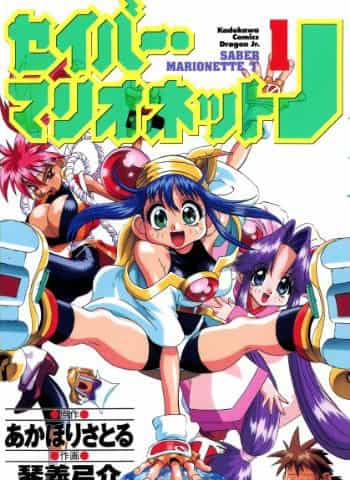
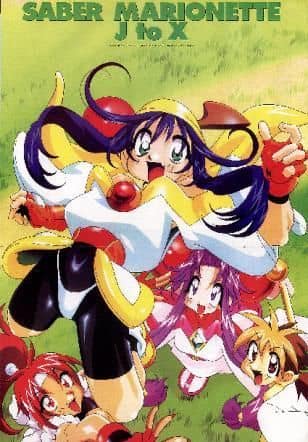
"Saber Marionette J to X" is a sequel to the original "Saber Marionette J" series, continuing the story in a futuristic world where humans inhabit a planet called Terra II. Due to a genetic catastrophe, only male humans survived, and advanced androids called marionettes were created to assist them. These marionettes are unique because they possess the ability to develop human-like emotions, a trait that sets them apart from ordinary machines.
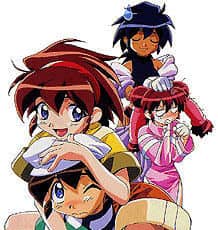
The narrative centers around Otaru Mamiya, a young man living in the nation of Japoness, and his three marionettes: Lime, Cherry, and Bloodberry. Each marionette has a distinct personality and role. Lime is cheerful and energetic, Cherry is calm and intelligent, and Bloodberry is strong-willed and combative. Together, they form a close-knit group, with Otaru treating them as more than mere machines, fostering their emotional growth.
The story begins with the group facing a new threat from the neighboring nation of Gartlant, led by the ambitious Faust. Faust seeks to conquer Japoness and harness the power of the marionettes for his own gain. His plans involve the creation of a powerful marionette named Panther, who is designed to rival Otaru’s companions. Panther initially serves as an antagonist but later undergoes significant character development, grappling with her own emotions and purpose.
As the conflict escalates, the series explores themes of identity, humanity, and the nature of emotions. The marionettes’ ability to feel and form bonds challenges the societal perception of them as mere tools. Otaru’s relationships with Lime, Cherry, and Bloodberry deepen, highlighting the blurred lines between artificial intelligence and genuine human connection. The narrative also delves into the consequences of unchecked ambition, as Faust’s actions threaten the fragile balance between nations.
The series balances action, humor, and emotional moments, with a focus on character-driven storytelling. The marionettes’ growth and their interactions with Otaru form the emotional core of the series, while the political and military conflicts provide a backdrop for the larger plot. The resolution of the story ties together the personal and political threads, emphasizing the importance of empathy and understanding in a world where technology and humanity intersect.
The narrative centers around Otaru Mamiya, a young man living in the nation of Japoness, and his three marionettes: Lime, Cherry, and Bloodberry. Each marionette has a distinct personality and role. Lime is cheerful and energetic, Cherry is calm and intelligent, and Bloodberry is strong-willed and combative. Together, they form a close-knit group, with Otaru treating them as more than mere machines, fostering their emotional growth.
The story begins with the group facing a new threat from the neighboring nation of Gartlant, led by the ambitious Faust. Faust seeks to conquer Japoness and harness the power of the marionettes for his own gain. His plans involve the creation of a powerful marionette named Panther, who is designed to rival Otaru’s companions. Panther initially serves as an antagonist but later undergoes significant character development, grappling with her own emotions and purpose.
As the conflict escalates, the series explores themes of identity, humanity, and the nature of emotions. The marionettes’ ability to feel and form bonds challenges the societal perception of them as mere tools. Otaru’s relationships with Lime, Cherry, and Bloodberry deepen, highlighting the blurred lines between artificial intelligence and genuine human connection. The narrative also delves into the consequences of unchecked ambition, as Faust’s actions threaten the fragile balance between nations.
The series balances action, humor, and emotional moments, with a focus on character-driven storytelling. The marionettes’ growth and their interactions with Otaru form the emotional core of the series, while the political and military conflicts provide a backdrop for the larger plot. The resolution of the story ties together the personal and political threads, emphasizing the importance of empathy and understanding in a world where technology and humanity intersect.
Episodes
Staffel 1
1Civilization All Over the Place
2Wishes Are Granted to the Winner of the Float Battle
3Daddy is Coming! Daddy is Coming!
4The Saberdolls's Journey
5Shirataki Shines Forever
6Two Otarus!? The Tightrope of Love
7The Lonely Fairy
8Cherry's Temporary Motherhood
9The Forest, an Iron Ball and Everybody
10Onigiri Tastes like Peace!?
11Redemption of Otaru the Man
12The Heaven's Cross of Fate
13Evil Ambitions and the Rise of the Iron Beast
14A Pair of Tickets for a Slow Train to Xian
15The Eternal City, Xian
16Birds Without Wings
17The Many Yesterdays and Todays
18Under the Plasma Sky
191/3 of Sorrow
20The Unrelenting Rain of Xian
21The Scarlet Awakening
22The Cry
23The Dream in the Circuit
24The Girls Beyond the Rainbow
25Rays of Light
26A Forever Blue Sky
Cast
- Godoh HernandezMiles SanchezMárcio Araújo
- Tiger
- Marianne JaromiHyeon-Gyeong Jeong
- Doctor Hess
- Rebeca Patiño
- Isabel de Sá
- Rosana Beltrame
- Sibel (Tiger)
- Zarzamora (Bloodberry)
- Tigresa (Tiger)
- Yanmin
- Márcio Araújo
- Fourth Lee
Comment(s)
Staff
- Chief DirectorKiyoko Sayama
- Series CompositionMayori Sekijima
- StoryboardNoriyuki AbeAkiyuki SimboMasami ShimodaKiyoko SayamaNaoki YamaguchiYukio NishimotoNaori Hiraki
- MusicParome
- Original Character Design
- Art DirectorJunichirō Nishikawa
- Mechanical designShingo TakebaItsuko TakedaYasumitsu SuetakeHisashi AoyamaYoshiki Kuga
- ProducerNoriko KobayashiShinjiro Yokoyama
- DirectorMasami Shimoda
- ScriptMayori SekijimaMasashi KubotaMasaharu AmiyaKenichi KanemakiSumio Uetake
- Episode DirectorMasami ShimodaKiyoko SayamaYukio NishimotoYasuhiro KurodaSaeko AokiYukio Okazaki
- Original creator
- Character DesignShuichi Shimamura
- Animation DirectorShuichi ShimamuraKōichi UsamiYuko KusumotoItsuko TakedaMichinori ChibaKōji IwaiMasahiro HamamoriFujio Suzuki
- Sound Director
Production
- ProductionTV TokyoSotsu Eizo
- Animation ProductionHal Film Maker
Relations
Manga overview