TV-Series
Description
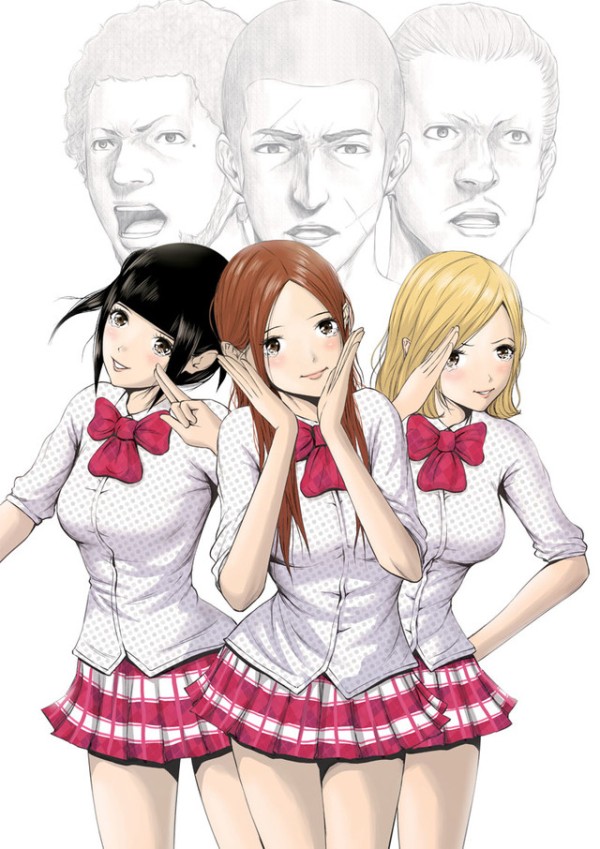
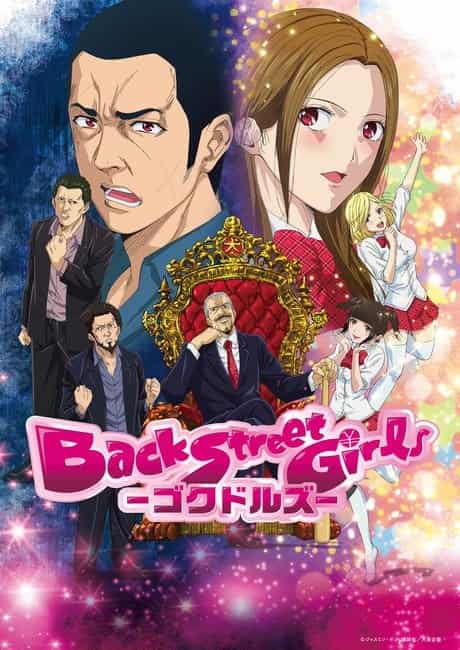
Three yakuza members—Kazuhiko "Kazutora" Tanaka, Ryou "Ryouma" Suzuki, and Takeshi "Takeshi" Yamada—fail a critical mission for their boss, Inugane. Facing severe consequences, they are given an ultimatum: undergo gender reassignment surgery and become idols to repay their debt or face death. Reluctantly, they agree and are reborn as Mari, Chika, and Airi, collectively known as the idol group Gokudols.
The series explores their struggles to adapt to their new lives as female idols while maintaining their yakuza instincts and personalities. Despite their lack of enthusiasm for the idol industry, they quickly gain popularity due to their unconventional behavior and gritty backgrounds, which contrast sharply with the polished image of typical idols. Their manager, Inugane, capitalizes on their unique appeal, pushing them to perform and maintain their public image while secretly using their yakuza skills to resolve conflicts behind the scenes.
Throughout the series, the Gokudols navigate the challenges of idol life, including fan interactions, rival groups, and the pressures of fame, all while grappling with their identities and past lives. Their yakuza training often comes into play, leading to comedic and chaotic situations as they balance their dual personas. The narrative highlights their growth as individuals and as a group, showcasing their resilience and determination to succeed despite their circumstances.
The main characters—Mari, Chika, and Airi—retain their yakuza traits, such as toughness and loyalty, which set them apart from other idols. Their interactions with each other, their manager, and the idol industry provide a mix of humor, drama, and action, creating a unique blend of genres. The series also delves into the darker aspects of the entertainment industry, contrasting the glamorous facade with the harsh realities faced by the Gokudols.
Overall, "Back Street Girls: Gokudols" presents a satirical take on the idol industry, combining absurdity with heartfelt moments as the protagonists strive to carve out a place for themselves in a world that demands conformity.
The series explores their struggles to adapt to their new lives as female idols while maintaining their yakuza instincts and personalities. Despite their lack of enthusiasm for the idol industry, they quickly gain popularity due to their unconventional behavior and gritty backgrounds, which contrast sharply with the polished image of typical idols. Their manager, Inugane, capitalizes on their unique appeal, pushing them to perform and maintain their public image while secretly using their yakuza skills to resolve conflicts behind the scenes.
Throughout the series, the Gokudols navigate the challenges of idol life, including fan interactions, rival groups, and the pressures of fame, all while grappling with their identities and past lives. Their yakuza training often comes into play, leading to comedic and chaotic situations as they balance their dual personas. The narrative highlights their growth as individuals and as a group, showcasing their resilience and determination to succeed despite their circumstances.
The main characters—Mari, Chika, and Airi—retain their yakuza traits, such as toughness and loyalty, which set them apart from other idols. Their interactions with each other, their manager, and the idol industry provide a mix of humor, drama, and action, creating a unique blend of genres. The series also delves into the darker aspects of the entertainment industry, contrasting the glamorous facade with the harsh realities faced by the Gokudols.
Overall, "Back Street Girls: Gokudols" presents a satirical take on the idol industry, combining absurdity with heartfelt moments as the protagonists strive to carve out a place for themselves in a world that demands conformity.
Cast
- Masumi MutsudaStéphane Marais
- Miguel de LeónValerio Amoruso
- Dom Steve
- Narrator
- Florentine DraegerIris Lago
Comment(s)
Staff
- DirectorChiaki Kon
- ScriptChiaki KonSusumu Yamakawa
- Episode DirectorChiaki Kon
- MusicGesshoku Kaigi
- Animation DirectorMitsuharu Kajitani
- Series CompositionSusumu Yamakawa
- StoryboardChiaki Kon
- Unit DirectorChiaki Kon
- Original creator
- Sound DirectorJin Aketagawa
Production
- ProductionKodanshaToei Video Co., Ltd.Inugane Planning
- Animation ProductionJ.C. Staff
Relations
Manga overview